
Topp 10 AI-agentramverk värda att prova 2026


Det bästa AI-agentramverket 2026 är LangGraph för team som behöver uttrycklig kontroll över långvariga arbetsflöden med tillstånd. OpenAI Agents SDK är det bättre lättviktsalternativet för enkel verktygsanvändning och agentöverlämningar, medan CrewAI är det lättaste ramverket att förstå när ett projekt naturligt kan mappas till ett team med specialiserade roller. Google ADK och Microsoft Agent Framework är särskilt attraktiva för organisationer som redan investerar i respektive moln- och företagsekosystem.
Det finns ingen universell vinnare. Ett agentramverk som känns elegant i en demo kan bli svårt att drifta när ett arbetsflöde behöver beständighet, godkännanden, nya försök, spårning, åtkomst till privata data eller en kombination av deterministisk kod och modellstyrda beslut. Rätt val beror mindre på hur snabbt du kan skapa en chatbot och mer på hur tydligt du kan kontrollera vad som händer efter det första verktygsanropet.
Den här guiden jämför tio AI-agentramverk som är värda att prova 2026. Vi utvärderade vart och ett utifrån orkestreringskontroll, stöd för multiagentlösningar, modellflexibilitet, tillstånd och minne, observerbarhet, utvecklarupplevelse samt lämplighet för lokal eller självhostad drift. Ramverksdetaljerna kontrollerades mot officiell dokumentation den 24 augusti 2026.
Bästa AI-agentramverken 2026: Snabbval
- Bäst överlag för kontrollerade produktionsarbetsflöden: LangGraph
- Bästa lättviktiga SDK: OpenAI Agents SDK
- Bäst för rollbaserade multiagentteam: CrewAI
- Bäst för Gemini och Google Cloud: Google Agent Development Kit
- Bäst för Microsoft- och .NET-team: Microsoft Agent Framework
- Bäst för dataintensiva agenter och RAG-agenter: LlamaIndex
- Bäst för typsäkra Python-applikationer: Pydantic AI
- Bästa TypeScript-ramverket för hela stacken: Mastra
- Bäst för modulära hämtningspipelines: Haystack
- Bästa minimalistiska ramverket för lokala modeller och kodagenter: smolagents
Jämförelse av AI-agentramverk
| Ramverk | Primära språk | Bäst för | Främsta funktion | Huvudsaklig kompromiss |
|---|---|---|---|---|
| LangGraph | Python, TypeScript | Tillståndsbevarande produktionsagenter | Beständig grafkörning | Mer orkestreringskod att utforma |
| OpenAI Agents SDK | Python, TypeScript | Lättviktiga agentapplikationer | Överlämningar, skyddsräcken och spårning | Komplexa arbetsflöden kräver extra infrastruktur |
| CrewAI | Python | Rollbaserad multiagentautomatisering | Crew-team inuti strukturerade flöden | Rollmetaforer kan lägga till onödiga agenter |
| Google ADK | Python, TypeScript, Go, Java | Google Cloud- och Gemini-projekt | Graf- och multiagentarbetsflöden | Funktionerna varierar mellan språk och versioner |
| Microsoft Agent Framework | Python, .NET; Go i förhandsversion | Företags- och Azure-applikationer | Enad efterföljare till AutoGen/Semantic Kernel | Nyare ekosystem och migreringsarbete |
| LlamaIndex | Python | RAG- och kunskapsagenter | Djupgående verktyg för hämtning och data | Brett API-utbud |
| Pydantic AI | Python | Typade affärsapplikationer | Validerade verktyg och strukturerade utdata | Mest attraktivt för Pydantic-inriktade team |
| Mastra | TypeScript | TypeScript-team som arbetar med hela teknikstacken | Agenter, arbetsflöden, minne och utvärderingar | Mindre ekosystem än äldre ledare |
| Haystack | Python | Produktionssystem med fokus på hämtning | Komponerbara agentbaserade pipelines | Mindre rollcentrerat än verktyg för multiagentlösningar |
| smolagents | Python | Inlärning, prototyper och lokala modeller | Minimal abstraktion för CodeAgent | Du behöver bygga mer infrastruktur för produktion |
Så valde vi dessa AI-agentramverk
Detta är inte en rangordning som enbart baseras på GitHub-stjärnor. Popularitet kan tyda på intresse från communityn, men säger inget om huruvida ett ramverk säkert kan återuppta ett misslyckat arbetsflöde eller göra en agents beslut observerbara. Vi prioriterade sju praktiska frågor:
- Kontroll: Kan utvecklare kombinera deterministisk applikationslogik med modellstyrda beslut?
- Tillförlitlighet: Stöder ramverket persistens, nya försök, kontrollpunkter eller uthållig körning?
- Övervakning av människor: Kan en körning pausas för godkännande innan en känslig åtgärd utförs?
- Observerbarhet: Kan team inspektera promptar, modellanrop, verktygsanvändning, överlämningar, fördröjning och fel?
- Interoperabilitet: Kan ramverket fungera med flera modeller, verktyg, MCP-servrar eller befintliga applikationskomponenter?
- Distributionslämplighet: Kan det köras i den miljö som dina data- och styrningskrav kräver?
- Relevans 2026: Dokumenteras det aktivt, och har dess strategiska position förändrats sedan äldre jämförelseartiklar publicerades?
Det sista kriteriet är viktigt. Microsoft beskriver nu Microsoft Agent Framework som den direkta efterföljaren till både AutoGen och Semantic Kernels agentramverk. Att upprepa en äldre lista utan att ta hänsyn till den övergången skulle göra jämförelsen enklare att skriva, men mindre användbar för den som startar ett nytt projekt 2026.
1. LangGraph — Bäst överlag för kontrollerade agentarbetsflöden med tillstånd
LangGraph är den starkaste generella rekommendationen när en agent måste göra mer än att slutföra en kort loop med verktygsanrop. Det representerar en applikation som en graf av tillstånd, noder och övergångar, vilket gör det möjligt att kombinera förutsägbara kodvägar med steg där en LLM avgör vad som ska göras härnäst.
Dess utmärkande funktioner är uthållig körning, persistens, strömning och kontroll med människa i loopen. En kontrollpunktssparare kan spara grafens tillstånd så att en process kan återhämta sig efter ett fel, vänta på ett externt beslut eller återuppta en långvarig uppgift senare. Detta är särskilt användbart för godkännandeflöden, forskningspipelines, supportverksamhet och agenter som kan köras i minuter eller timmar snarare än sekunder.
LangGraph drar också nytta av det bredare LangChain-ekosystemet. LangChain tillhandahåller agentabstraktioner och integrationer på högre nivå, medan LangGraph erbjuder körningsmiljön för orkestrering på lägre nivå. Team kan börja med en förbyggd agent och övergå till explicit grafkontroll när applikationen blir mer krävande.
Bäst för: Produktionsarbetsflöden som behöver explicit tillstånd, förgrening, återställning, godkännanden eller granskningsbarhet.
Var uppmärksam på: En graf ger dig kontroll eftersom du måste definiera den kontrollen. Små projekt kanske inte behöver de extra noderna, tillståndsscheman och besluten kring beständig lagring.
2. OpenAI Agents SDK — bäst som lättviktigt SDK för verktyg och överlämningar
OpenAI Agents SDK använder en medvetet liten uppsättning primitiv: agenter med instruktioner och verktyg, överlämningar eller agenter som verktyg för delegering, skyddsräcken för validering, sessioner för konversationsstatus och inbyggd spårning. Officiella SDK:er finns för både Python och TypeScript.
Det minimala API:t är dess största fördel. En utvecklare kan definiera en specialist, exponera typade verktyg och vidarebefordra arbete till en annan specialist utan att först behöva lära sig ett stort orkestreringsvokabulär. Inbyggd spårning registrerar modellgenereringar, verktygsanrop, överlämningar, skyddsräcken och anpassade händelser, vilket ger ramverket bättre insyn i produktion än dess begränsade yta kanske antyder.
SDK:t passar särskilt bra när OpenAI-modeller, Responses API eller realtidsröst är centrala för produkten. Det kan även fungera med andra modellleverantörer, men team bör ändå testa leverantörsspecifikt beteende, strukturerade utdata och kompatibilitet med verktygsanrop i stället för att anta att alla modeller beter sig identiskt.
Bäst för: Utvecklare som vill ha ett koncist Python- eller TypeScript-SDK för agenter som använder verktyg, delegering till specialister, skyddsräcken, spårning eller röstupplevelser.
Var uppmärksam på: Den centrala agentloopen är avsiktligt lättviktig. Hållbara, långvariga processer kan kräva en ytterligare körningsmiljö eller integration, till exempel Temporal, Restate eller DBOS.
3. CrewAI — bäst för rollbaserade team med flera agenter
CrewAI organiserar system med flera agenter kring två huvudkoncept. Team är grupper av autonoma agenter som samarbetar kring en uppgift, medan flöden ger strukturerad, händelsestyrd kontroll, delat tillstånd och körningsordning för dessa team.
Denna mentala modell är intuitiv för arbetsflöden som redan liknar en organisation: en forskare samlar in belägg, en analytiker utvärderar dem och en skribent tar fram en leverans. CrewAI stöder sekventiella och hierarkiska processer, verktyg, minne, kunskap, strukturerade utdata, skyddsräcken, observerbarhet och utlösare med människa i loopen. Dokumentationen rekommenderar Flows som struktur för produktionsapplikationer, där agenter utför avgränsat arbete inom crew-steg.
Bäst för: Forskning, innehållsverksamhet, kundsupport och affärsautomatiseringar som enkelt kan delas upp i specialistroller.
Se upp med: Alla uppgifter behöver inte en grupp agenter. Flera roller kan öka fördröjningen, tokenförbrukningen och antalet felkällor utan att förbättra resultatet. Använd en agentgrupp när specialisering eller oberoende kontroll ger mätbart värde.
4. Google Agent Development Kit — bäst för Gemini och Google Cloud
Google Agent Development Kit (ADK) är ett öppet ramverk för att bygga, utvärdera och distribuera agenter. Det har stöd för modellstyrda agenter, anpassade verktyg, sessioner, minne, callback-funktioner, utvärdering och sammansättning av flera agenter. Det är optimerat för Googles ekosystem men är inte begränsat till Gemini-modeller.
ADK 2.0 är en viktig uppdatering från 2026. Den lägger till grafbaserade arbetsflöden för förutsägbara körvägar, dynamiska arbetsflöden som uttrycks genom kod samt samarbetande arbetsflöden med koordinatorer och underagenter. Google listar ADK 2.0 för Python och Go, medan den bredare ADK-dokumentationen även har stöd för TypeScript och Java. Därför bör funktionspariteten kontrolleras innan man binder sig till ett språk.
Bäst för: Team som använder Gemini, Vertex AI eller distribution i Google Cloud, system med multiagent-samarbete i A2A-stil eller en kombination av deterministiska grafer och modellbaserat resonemang.
Se upp med: Ramverket utvecklas snabbt, och ADK 2.0 innebar bakåtinkompatibla ändringar jämfört med arbetsflödesmiljön i version 1.x. Kontrollera versionen och den språksspecifika dokumentationen innan du utformar en produktionsarkitektur.
5. Microsoft Agent Framework — bäst för företag och .NET-team
Microsoft Agent Framework kombinerar idéer som utvecklats genom AutoGen och Semantic Kernel till Microsofts nya grund för produktionsagenter och arbetsflöden med flera agenter. Det har stöd för Python och .NET, samt ett separat Go-SDK i offentlig förhandsversion.
Ramverket är avsett för system som behöver mer än en konversationsloop: sessionsbaserat tillstånd, middleware, telemetri, leverantörsoberoende, grafbaserade arbetsflöden, kontrollpunkter, möjlighet att starta om, mänskligt godkännande samt vanliga orkestreringsmönster som sekventiellt, samtidigt, överlämning och gruppsamarbete.
För ett nytt Microsoft-centrerat projekt är detta i allmänhet ramverket att utvärdera innan du börjar med AutoGen eller Semantic Kernel Agent Framework. Befintliga applikationer behöver inte skrivas om omedelbart, men Microsoft tillhandahåller nu migreringsguider från båda föregångarna.
Passar bäst för: Azure, Microsoft Foundry, .NET och organisationer med blandade Python-/C#-miljöer som har krav på företagsstyrning eller långvariga arbetsflöden.
Var uppmärksam på: Det är ett nyare enhetligt ramverk. Team som migrerar från AutoGen eller Semantic Kernel bör räkna med förändringar i API och arkitektur, och Go-användare bör ta hänsyn till förhandsstatus och ofullständig funktionsparitet.
6. LlamaIndex — Bäst för RAG och kunskapsintensiva agenter
LlamaIndex är fortfarande ett av de mest naturliga valen när en agents huvudsakliga uppgift är att resonera kring privata dokument, index, databaser eller andra kunskapskällor. Agentlagret omfattar agenter med funktionsanrop, ReAct-baserade agenter, CodeAct-agenter, minne, multimodala indata och AgentWorkflow för överlämningar mellan flera agenter.
LlamaIndex Workflows lägger till en händelsestyrd, stegvis exekveringsmodell. Ett steg kan hämta data, anropa en modell, begära mänsklig input, uppdatera tillstånd eller skicka iväg samtidiga arbetsuppgifter. Eftersom grenar och loopar kan skrivas i vanlig Python passar det för datapipelines som behöver mer flexibilitet än en enkel kedja med hämtning följd av generering.
Passar bäst för: Dokumentassistenter, företagssökning, agentisk RAG, kunskapsutvinning och agenter som är förankrade i stora privata datamängder.
Var uppmärksam på: LlamaIndex omfattar inläsning, indexering, hämtning, agenter och arbetsflöden, så dess API-yta är bred. Välj endast de moduler projektet behöver och testa kvaliteten på informationshämtningen separat från agentens beteende.
Om privata data är anledningen till att du överväger en kunskapsagent är distributionsplatsen lika viktig som ramverket. Se vår jämförelse av en lokal AI-agentserver jämfört med SaaS-automatiseringsverktyg innan du bestämmer var dokument, embeddingar, loggar och autentiseringsuppgifter för verktyg ska lagras.
7. Pydantic AI – bäst för typsäkra Python-applikationer
Pydantic AI tillämpar designfilosofin som gjorde Pydantic och FastAPI populära på agentutveckling. Agentberoenden, verktygsargument och slutliga utdata kan typas och valideras, vilket minskar mängden ad hoc-tolkning mellan probabilistiskt modellbeteende och deterministisk applikationskod.
Dess agentobjekt kombinerar instruktioner, verktyg, beroenden, modellinställningar och en valfri typ för strukturerade utdata. Pydantic Evals stöder kodcentrerade testfall, medan Logfire-integrationen registrerar meddelanden, verktygsanrop, tokenanvändning, svarstid och fel. Instrumenteringen bygger på OpenTelemetry, så teamen är inte begränsade till en enda observabilitetsbackend.
Bäst för: Python-team som bygger API:er, finansiella eller operativa arbetsflöden, system för strukturerad extrahering och applikationer där validerade utdata är viktigare än avancerad fleragentsteater.
Se upp med: Pydantic AI är modelloberoende, men den största fördelen för utvecklarupplevelsen märks när kodbasen redan använder Python-typning och Pydantic-scheman.
8. Mastra – bästa fullstack-ramverket för TypeScript-agenter
Mastra är ett TypeScript-baserat ramverk som kombinerar agenter, verktyg, strukturerade arbetsflöden, minne, lagring, spårning, utvärdering och en lokal utvecklingsstudio. Agenter kan anropas direkt, användas i arbetsflödessteg, exponeras via serveradaptrar eller samordnas som fleragentsystem.
Mastra är attraktivt eftersom många funktioner som annars kräver separata paket delar samma programmeringsmodell. Arbetsflödena stöder förgrening, parallell körning, paus, återupptagning, mänskligt godkännande, tidsresor, felhantering och schemalagd körning. MCP-stödet fungerar i båda riktningarna: Mastra kan använda MCP-servrar och exponera agenter, verktyg, arbetsflöden, promptar och resurser för MCP-kompatibla klienter.
Bäst för: Node.js-, React-, Next.js- och TypeScript-team som vill ha en integrerad väg från prototyp till en observerbar agentapplikation.
Se upp med: Mastras ekosystem är yngre än LangChains. Kontrollera att de kritiska databaserna, driftsättningsmålen och observabilitetssystemen har de integrationer som er produktionsstack kräver.
9. Haystack – bäst för modulär informationshämtning och agentbaserade pipelines
Haystack är ett Python-ramverk med öppen källkod för produktionsklara AI-agenter, RAG-applikationer och multimodal sökning. De återanvändbara pipelinekomponenterna gör hämtning, rangordning, generering, routning och anpassad bearbetning explicita i stället för att dölja dem i en enda agentabstraktion.
Agent-komponenten kan hämta information, generera svar och utföra åtgärder via verktyg. En PipelineTool kan exponera en hel Haystack-pipeline som ett enda anropbart verktyg, vilket är användbart när en agent ska avgöra när den ska anropa ett testat delsystem för hämtning eller bearbetning. Pipelines stöder också loopar, grenar, asynkron körning, serialisering och brytpunkter för att granska och återuppta körningen.
Passar bäst för: Sökning, RAG, dokumentbearbetning och multimodala system som blir alltmer agentiska men fortfarande behöver granskningsbara datapipelines.
Att tänka på: Haystack fokuserar mindre på den lättbegripliga metaforen ”ett team av agenter” än CrewAI. Det är en fördel för pipelineutvecklare, men kan kännas mindre direkt för användare som prototypar rollbaserat samarbete.
10. smolagents — bästa minimalistiska ramverket för kodagenter och lokala modeller
smolagents är Hugging Faces avsiktligt lilla Python-bibliotek för agenter. Dess två huvudsakliga abstraktioner är CodeAgent, som uttrycker åtgärder som Python-kod, och ToolCallingAgent, som använder strukturerade verktygsanrop. Den minimalistiska utformningen gör kärnloopen enklare att granska, ändra och lära ut än i ett stort ramverk med många lager.
Dess modellgränssnitt är flexibelt, och den naturliga kopplingen till Hugging Face-ekosystemet gör det till ett starkt alternativ för experiment med öppna modeller och lokal inferens. Kodkörning måste hanteras varsamt: den officiella dokumentationen rekommenderar sandlådemiljöer som Docker eller stödda fjärrsandlådor, i stället för att ge genererad kod obegränsad åtkomst till en värddator.
Passar bäst för: Att lära sig hur agenter fungerar, snabba Python-prototyper, CodeAgent-experiment, agentisk RAG samt projekt som använder lokala modeller eller öppna modeller.
Att tänka på: Minimal abstraktion innebär också minimal produktionsinfrastruktur. Du kan behöva lägga till egna lager för robust körning, behörighetskontroll, övervakning och driftsättning.
Vilket AI-agentramverk bör du välja?
| Om din prioritet är ... | Börja med | Varför |
|---|---|---|
| Beständig, tillståndsbaserad produktionsorkestrering | LangGraph | Explicita grafer, beständig lagring, avbrott och återställning |
| Ett litet SDK med verktyg och delegering till specialister | OpenAI Agents SDK | Få grundkomponenter, inbyggda skyddsräcken och spårning |
| Ett team av rollbaserade specialister | CrewAI | Crew-modellen ger en intuitiv samarbetsmodell |
| Gemini och driftsättning i Google Cloud | Google ADK | Inbyggd väg till Googles ekosystem samt integrationer med öppna modeller |
| Azure, .NET eller migrering från AutoGen | Microsoft Agent Framework | Microsofts enhetliga produktionsramverk |
| Agenter förankrade i dokument och privata data | LlamaIndex eller Haystack | Informationssökning och datapipelines i centrum |
| Validerat strukturerat resultat i Python | Pydantic AI | Stark typning och validering vid körning |
| En integrerad TypeScript-stack | Mastra | Agenter, arbetsflöden, minne, utvärderingar och Studio i ett ekosystem |
| En transparent prototyp för lokala modeller | smolagents | Små abstraktioner och förstklassiga kodagenter |
Kan du köra AI-agentramverk lokalt?
Ja. De flesta ramverk i den här listan är bibliotek som kan köras i din egen Python- eller Node.js-miljö. Lokal körning innebär dock inte automatiskt lokal AI. Om ramverket anropar ett molnbaserat modell-API kan frågor och hämtad kontext fortfarande lämna ditt nätverk. En helt lokal stack behöver också en lokal modellkörning, lokal lagring, kontrollerad åtkomst till verktyg och en strategi för observerbarhet som inte exporterar känsliga spår.
En praktisk lokal installation kan börja med Docker-containrar för agenttjänsten, en modellserver som Ollama eller en annan OpenAI-kompatibel slutpunkt, en databas eller vektorlagring samt en reverse proxy eller VPN för kontrollerad åtkomst. Vår guide om att bygga en lokal AI-server förklarar maskinvaru- och driftsättningsbesluten bakom den stacken.
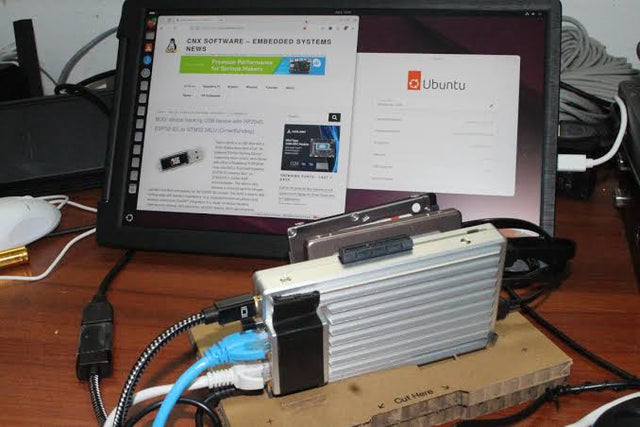
För lättviktiga agenter som alltid är igång erbjuder ZimaBoard 2 en Intel N150-processor, upp till 16 GB LPDDR5-minne, dubbla 2,5 GbE-portar, dubbla SATA-portar och en öppen PCIe 3.0-plats i ett fläktlöst x86-system. Det är en förnuftig värd för orkestreringstjänster, små lokala modeller, privat informationssökning, övervakning och verktygsservrar. Se vad som fungerade och vad som misslyckades när en skapare lät en AI-agent köra på ZimaBoard 2.
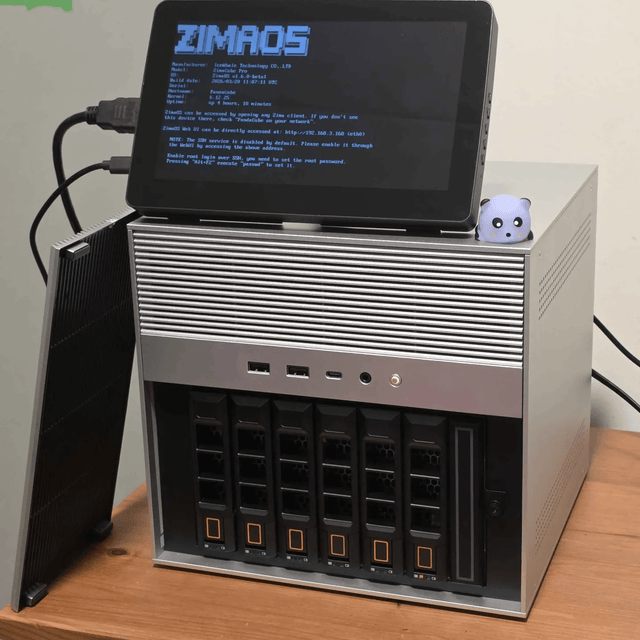
För större dokumentsamlingar, fler containrar, snabbare lagring eller GPU-utbyggnad erbjuder ZimaCube 2 sex hårddiskplatser, ytterligare SSD-kapacitet, Thunderbolt 4, PCIe-expansion och konfigurationer med högre prestanda. Recensionen av ZimaCube 2 för lokalt AI-hemlabb beskriver Ollama, RAG-pipelines, Docker och en uppgraderingsväg för arbetsbelastningar som växer över tid.
Fem misstag att undvika när du väljer ramverk för agenter
1. Välj ett ramverk innan du har definierat arbetsflödet
Dokumentera först tillstånden, verktygen, feltillstånden, godkännandepunkterna och datagränserna. En enda agent med tre verktyg kan vara säkrare och billigare än en grupp med fem agenter.
2. Förväxla minne med beständig körning
Konversationshistorik hjälper en modell att komma ihåg tidigare meddelanden. Beständig körning bevarar arbetsflödets framsteg vid fel, omstarter eller långa godkännandefördröjningar. De löser olika problem, och produktionssystem behöver ofta båda.
3. Ignorera verktygsbehörigheter
En agent som kan söka i dokument skiljer sig från en som kan köra skalkommandon, styra en webbläsare eller ändra kundregister. Tillämpa minsta möjliga behörighet, kör kod i sandlåda, validera verktygsargument och kräv godkännande för oåterkalleliga åtgärder.
4. Behandla spårning som valfritt
När en modell väljer fel verktyg avslöjar ett slutgiltigt svar sällan varför. Samla in modellanrop, verktygsindata och -utdata, överlämningar, fördröjning, tokenanvändning och fel från början. Observerbarhet är en del av applikationen, inte ett tillbehör som läggs till efter lanseringen.
5. Testa endast det lyckade scenariot
Utvärdera saknade data, felaktiga verktygsresultat, hastighetsbegränsningar, modellvägran, duplicerad körning, nätverksfel, promptinjektioner och avbrutna godkännandeflöden. Det bästa ramverket är det vars felbeteende ditt team kan förstå och kontrollera.
Vanliga frågor om ramverk för AI-agenter
Vad är ett ramverk för AI-agenter?
Ett ramverk för AI-agenter är en programvaruverktygslåda för att bygga applikationer där en språkmodell kan avgöra hur den ska använda verktyg, hämta information, hantera tillstånd och slutföra mål i flera steg. Mer avancerade ramverk omfattar orkestrering av arbetsflöden, delegering mellan flera agenter, beständig lagring, mänskligt godkännande, utvärdering och spårning.
Vilket är det bästa ramverket för AI-agenter 2026?
LangGraph är det bästa helhetsvalet för kontrollerade, tillståndsbaserade produktionsarbetsflöden. OpenAI Agents SDK passar bättre när du vill ha en lättviktsagentloop med verktyg, överlämningar, skyddsräcken och spårning. CrewAI är en stark utgångspunkt för rollbaserad automatisering med flera agenter. Det bästa valet beror i slutändan på ditt språk, din driftsmiljö, dina data och dina tillförlitlighetskrav.
Är AutoGen fortfarande värt att använda 2026?
Befintliga AutoGen-projekt kan fortfarande vara användbara, men team som startar en ny Microsoft-centrerad applikation bör utvärdera Microsoft Agent Framework först. Microsoft beskriver det som den direkta efterföljaren till AutoGen och Semantic Kernel Agent Framework och tillhandahåller migreringsvägledning för båda.
Vilket AI-agentramverk är bäst för RAG?
LlamaIndex är den bästa utgångspunkten när agenter behöver arbeta ingående med privata dokument, index och kunskapsbaser. Haystack är ett utmärkt alternativ för team som föredrar uttryckliga, modulära informationshämtningspipelines. LangGraph kan orkestrera båda informationshämtningsstackarna när det omgivande arbetsflödet behöver beständigt tillstånd och komplex styrning.
Vilket ramverk är bäst för nybörjare?
OpenAI Agents SDK och smolagents har relativt små konceptuella ytor. CrewAI är också lättillgängligt när uppgiften naturligt motsvarar igenkännbara roller. Nybörjare bör först bygga en agent med ett eller två verktyg innan de lägger till minne, flera agenter eller autonom körning.
Fungerar AI-agentramverk med lokala LLM:er?
Många är det. LangGraph, CrewAI, Google ADK, LlamaIndex, Pydantic AI, Mastra, Haystack och smolagents kan anslutas direkt till lokala modeller eller via kompatibla leverantörer, beroende på ramverket och runtime-miljön. Kontrollera alltid stöd för verktygsanrop och strukturerade utdata för den specifika lokala modellen; kompatibilitet med slutpunkten garanterar inte likvärdigt agentbeteende.
Är multiagentsystem bättre än enskilda agenter?
Inte automatiskt. Multiagentsystem är användbara när specialister behöver olika instruktioner, verktyg, behörigheter eller oberoende granskning. För ett smalt arbetsflöde innebär extra agenter ofta högre kostnader, längre svarstid och samordningsfel. Börja med den minsta arkitektur som uppfyller kraven och lägg bara till agenter när deras roll kan mätas.
Slutligt omdöme
Om du vill utvärdera ett enda ramverk först under 2026 kan du börja med LangGraph för maximal kontroll över arbetsflödet eller OpenAI Agents SDK för minimal abstraktion. Välj CrewAI när specialistroller står i centrum, Google ADK eller Microsoft Agent Framework när ditt molnekosystem bör forma arkitekturen, LlamaIndex eller Haystack när informationshämtning är kärnan i produkten, Pydantic AI när typsäkerhet är viktigast, Mastra för en TypeScript-fokuserad fullstack och smolagents när transparens och lokala experiment har högsta prioritet.
Ramverket är bara ett lager. Tillförlitliga agenter behöver också begränsade behörigheter, beständigt tillstånd, utvärderingar, observerbara verktygsanrop och en infrastrukturgräns som är lämplig för datahanteringen. Om ditt nästa steg är att bygga ihop programvaran kring en lokal modell kan du också jämföra de bästa DeepSeek Harness-pluginsen för 2026.

Rekommenderade produkter

Teknik- och AI-hubb
Mer att läsa
Vad är embeddingdrift, och när behöver ett privat sökindex byggas om?
Avkoda modell-, förbehandlings-, korpus- och frågeförskjutning; skilj övervakning från inkompatibilitet och avgör när ett privat index behöver byggas om.
Vad är tokeniseringskompatibilitet, och varför kan den göra att modellbyte slutar fungera?
Avkoda ordförrådsidentitet, semantik för specialtoken, chattmallar, cachade token, adaptrar och kompatibilitetskontroller för lokal modellväxling.
Vad är modellresidens, och när bör en lokal AI-tjänst ha vikterna inlästa?
Förstå viktpersistens, cachenivåer, kalla starter, utfasning, multiplexering, minnesbelastning och när en AI-tjänst i hemmet bör hållas varm.


