
A Recoverable Developer Homelab Setup for Boot-Drive Replacement


A recoverable developer homelab treats the boot drive as replaceable media, not as the only record of how Git services, registries, databases, runners, and preview apps work.
The practical target is a clean disk that can become a functioning host from installation media, versioned definitions, protected secrets, externally backed-up application state, and a short recovery runbook.
Separate the replaceable host from persistent state
Keep the operating system, package cache, container images, and disposable build output on the boot drive. Place database files, registry objects, Git repositories, uploads, and irreplaceable configuration on explicit app-data or storage mounts.
Use stable paths such as `/srv/appdata`, `/srv/projects`, and `/srv/registry`, mounted by UUID or another persistent identifier. Configure services to fail visibly if a required mount is absent so they never write into an empty directory on the replacement boot disk.
List every stateful component and its consistency method. A database-native dump, repository backup, and object-store copy may need different schedules even when all three belong to one application.
Make the host reproducible without cloning its mistakes
Store Compose files, infrastructure code, package lists, firewall rules, DNS records, systemd units, and non-secret configuration in version control. Pin versions deliberately enough that a rebuild does not silently change every service at once.
Back up secrets separately with encryption: service credentials, registry tokens, SSH host keys where continuity matters, certificate material, recovery codes, and storage encryption keys. Document how each secret is restored or rotated.
Use the recovery map below as the minimum rebuild inventory.
| Decision area | Assessment | Boundary |
|---|---|---|
| Boot layer | OS and rebuildable packages | Reinstall from known media |
| Persistent layer | Databases, Git, registry, uploads | Restore from independent backup |
| Control layer | Definitions, secrets, runbook | Version, encrypt, and test |
Build a replacement sequence with safe dependencies
Install the base OS, patch it, restore networking and remote administration, mount protected storage, restore secrets, then start foundational services before dependent applications. Databases and identity services should be healthy before preview apps and runners begin work.
Keep a temporary fallback for critical development work, such as a hosted Git remote, exported registry images, or a second runner. The recovery procedure should not require the failed host to fetch the instructions it needs.
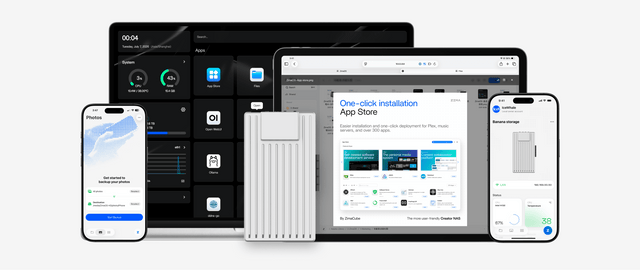
A related ZimaSpace homelab storage topology separates boot, app-data, and bulk-storage roles.
An independent container recovery overview reinforces that images, configuration, and persistent data need distinct protection.

Prove recovery on a blank target
Restore the stack into a spare SSD, temporary VM, or isolated machine without copying the old root filesystem wholesale. Record the time to SSH access, first healthy service, complete dataset restore, and normal developer workflow.
Validate repository integrity, database consistency, registry pulls, TLS names, runner registration, file ownership, backup schedules, and reboot order. Compare a sample artifact or project against the original.
The setup passes only when a new boot drive can reach the documented service state without hidden files from the old disk. Repeat the test after major platform, network, or storage changes.

Recommended products

NAS & Server Setup
More to Read
How to Build a Dorm-Room Home Server Without Taking Over the Only Desk
A dorm server should fit one small, quiet, low-power service boundary with contained cables, private access, and recovery outside the room.
Why Are College Students Building Personal Servers Instead of Paying for More Cloud Storage?
Students gain storage control and practical systems skills from a personal server, but cloud remains valuable for off-site safety and simple collaboration.

A Local RAG Setup for Research Papers, Notes, and Private Documents
Keep original documents authoritative, make indexing repeatable, require citations, and separate replaceable models from private source data.


