
Can a Dorm Server Run Quietly Enough for Sleep, Study, and Video Calls?


Yes, a dorm server can be quiet enough for sleep, study, and calls, but only if silence is treated as a setup requirement. A low average decibel figure does not capture fan ramping, hard-drive seeks, vibration through furniture, or a backup starting during a meeting.
Build around a low-power compute node, SSD-based active storage, controlled placement, and predictable workload scheduling. Add mechanical capacity only when needed, preserve airflow instead of sealing the server in furniture, and validate from the bed and microphone position under both idle and worst-case jobs.
Set room-specific acoustic limits
Listen at the pillow, study chair, and video-call microphone location. Note steady fan tone, fan-speed changes, drive clicks, low-frequency hum, enclosure resonance, and desk vibration separately because each needs a different fix.
Agree on quiet hours with a roommate and define which tasks may run then. A server that is acceptable during daytime conversation may still disturb sleep when the room and hallway become quiet.
Measure temperature and noise with the server in its final position. Moving it into a shelf or against a wall changes both reflection and airflow, so an open-bench result is not sufficient.
Reduce noise at the hardware source
Use a fanless or slow-fan mini PC for light services, and set realistic CPU power limits when sustained peak performance is unnecessary. Larger, slower fans generally avoid the sharp tone of tiny high-speed blowers when the chassis supports them.
Keep databases, thumbnails, logs, and other random-I/O app state on SSDs. If HDD capacity is required, use a stable enclosure with vibration-damping feet on a dense surface; avoid hollow furniture that turns drive motion into room noise.
Use the noise-source map before buying replacement parts.
| Scenario | Better fit | Decision boundary |
|---|---|---|
| Fan tone or ramping | Lower power and smooth fan control | Verify under long load |
| HDD seek and hum | SSD app tier plus vibration isolation | Keep airflow open |
| Call or sleep interruption | Schedule heavy jobs | Test from the real listening point |
Schedule load and protect cooling
Schedule scrubs, backups, media scans, thumbnail generation, downloads, builds, and model jobs outside sleep, study, and call windows. Prevent several jobs from starting together after a reboot or power recovery.
Tune fan curves only after monitoring CPU, storage, SSD, and enclosure temperatures during the longest expected job. Keep intake and exhaust clear, clean dust, and do not use foam or a closed drawer as a substitute for source control.
A related ZimaSpace quiet server setup separates fan, drive, vibration, placement, and background-job noise.
An independent server noise-control guide emphasizes vibration isolation and acoustic treatment while preserving ventilation.

Validate sleep, study, and call scenarios
Run an idle night test, a study-period normal workload, a video call with the microphone unmuted, a backup, a library scan, and a cold boot. Listen for fan hunting and desk-borne vibration, then review temperatures and service health.
If the microphone captures the server, increase distance, move vibration off the desk, lower sustained power, or relocate bulk storage before buying acoustic panels. If sleep remains disturbed, schedule shutdown or move the server out of the room when residence rules and cabling allow.
The setup passes when ordinary services remain inaudible or unobtrusive in each scenario, heavy work occurs predictably, and cooling remains safe. If one chassis cannot meet both compute and acoustic targets, split the quiet always-on node from occasional heavy work.

Recommended products

NAS & Server Setup
More to Read
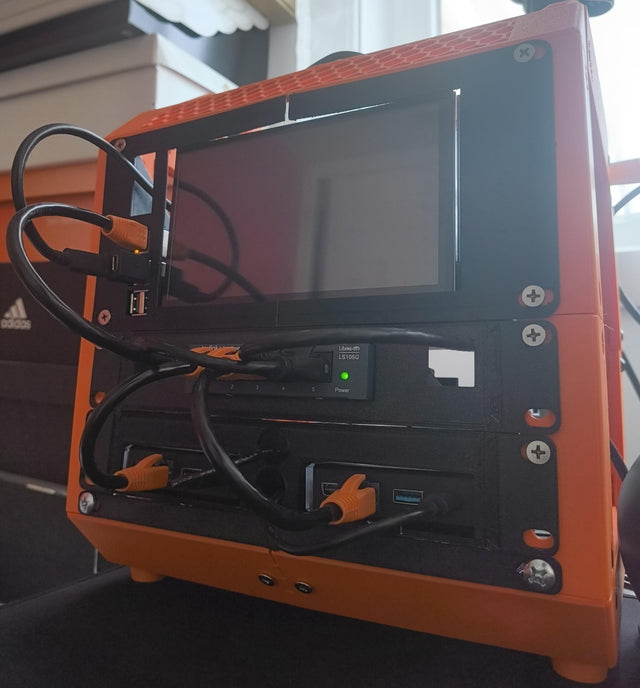
A Student Homelab That Can Move From Dorm Room to First Apartment
Keep a student homelab portable by separating services from room-specific networking, minimizing hardware, backing up state, and rehearsing a clean move.
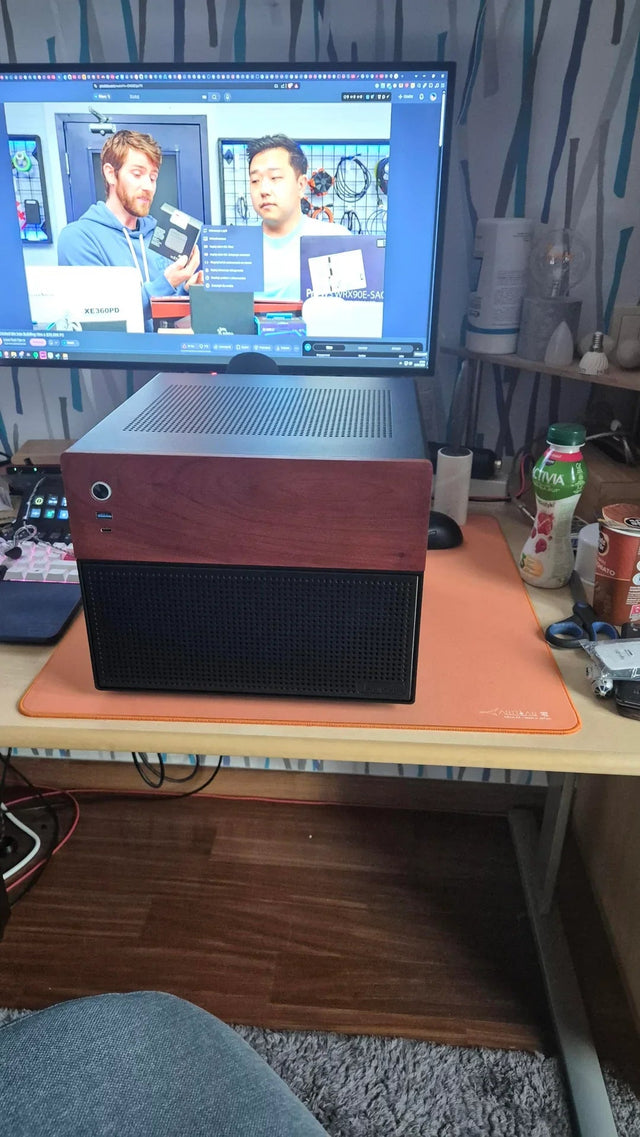
How to Share One Home Server With Roommates Without Sharing Accounts or Private Files
Give every roommate a named identity, private storage, and only the shared roles they need; keep administration, backups, and offboarding separate.
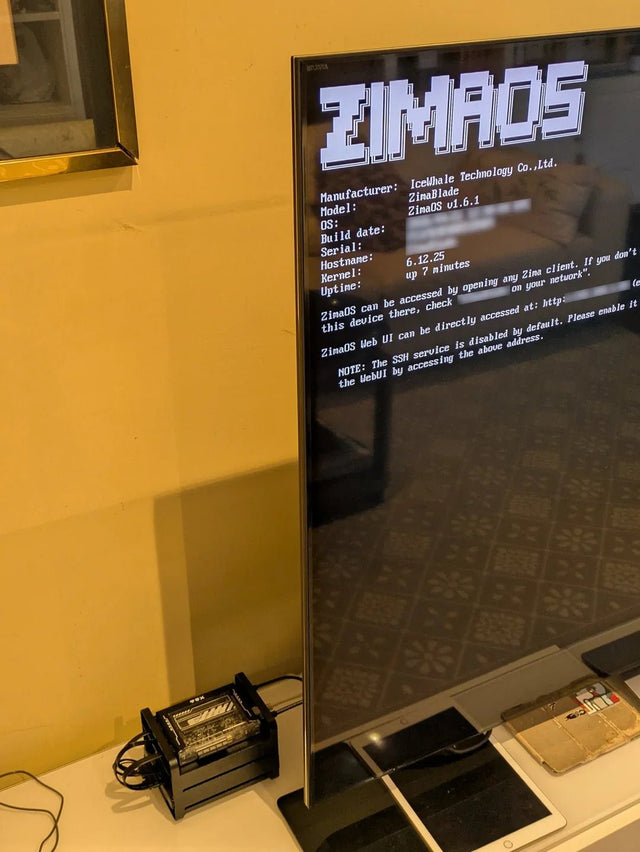
Why Do Computer Science Students Benefit From a Separate Linux Lab Machine?
A separate Linux machine helps when projects need persistent services or safe failure; a laptop VM remains better for portable, resettable coursework.


