
Which Home Server Roles Matter Most in a Household With More Phones Than Computers?


In a phone-heavy household, automatic media intake, individual libraries, shared albums, and tested backup matter more than virtualization or a long app list.
The server should follow where household data is created. Phones continuously produce photos, videos, scans, screenshots, and downloads, while a smaller number of computers may serve mainly as administration, bulk-import, and recovery tools. That shifts the first server roles toward background capture, identity separation, mobile-friendly access, storage growth, and independent recovery.
Phone-First Households Need Intake Before General File Serving
When phones outnumber computers, the server’s first job is usually to receive new data automatically rather than wait for people to copy files manually. Photos, videos, screenshots, voice recordings, downloads, and scanned documents arrive continuously from devices with limited local storage and inconsistent user attention.
TP-Link’s 2026 home NAS overview describes centralized access and automatic backup across phones, tablets, computers, and smart televisions. That multi-device household storage role explains why ingestion and availability outrank advanced homelab services in a phone-heavy home.
Inventory every phone by owner, operating system, media size, annual growth, and whether it leaves the home network regularly. Define what uploads automatically, what remains on the phone, and how the owner confirms that a file is safe before deleting the local copy.
Automatic Photo and Video Upload Is the First Server Role
Camera rolls usually contain the household’s fastest-growing and least replaceable data. The server should provide one account per person, background uploads, controllable source albums, duplicate handling, and a clear relationship between private uploads and shared family albums.
WIRED warns that phones are fragile places to keep the only copy of irreplaceable photos and recommends moving images to another platform regularly. That phone-photo off-device requirement makes automatic media intake the strongest first role.
Pilot two real phones before adding the whole household. Test uploads over home Wi-Fi and mobile data, background behavior after the app is closed, videos, screenshots, edits, and a changed password. Do not treat a visible thumbnail as proof that the original has completed uploading.
Individual Accounts and Shared Albums Come Before One Giant Library
More phones create more owners. A shared login makes deletions, favorites, face labels, and upload failures difficult to attribute. Individual accounts preserve private camera rolls and allow users to share selected albums without granting everyone access to every original.
TechTarget’s role-based access control model assigns permissions through roles and groups. That owner-and-group permission model supports private personal libraries, a family-viewer group, curators, and a separate administrator.
| Phone-first role | Primary users | Boundary |
|---|---|---|
| Private upload | One phone owner | Not visible to the household by default |
| Family album | Approved family group | Selected content, not every camera roll |
| Contribution intake | Relatives or household members | Reviewed before entering originals |
| Administration | One or two trusted adults | Separate from daily browsing |
Keep the originals library authoritative and make sharing a deliberate action. A television or child account may view a family album without receiving access to private uploads, backup destinations, or the application database.

A Small Document Hub Should Follow Mobile Capture
Phones also create scans, screenshots, downloaded forms, school attachments, and receipts. Once photo intake is reliable, add a bounded document workflow with a personal inbox, a shared household area, and a review process that converts temporary captures into named records.
Digital Citizen’s 2026 NAS setup guide describes centralized photos, videos, backups, and documents accessed through user accounts and shared folders. That central user-and-share structure is a practical second role after automatic mobile media intake.
Do not index every screenshot or download forever. Route scans into an intake folder, review them, and move only records worth keeping into personal or household libraries. The phone should make capture easy while the server preserves organization and retention.
Computers Become Administration and Restore Stations
A phone-heavy household may have only one or two computers, but those computers remain important for bulk imports, account management, full restores, drive health review, and recovery from a failed mobile device. They should not be the only place where server configuration or backup keys exist.
Lenovo’s home-server scenario guide defines the server as a stable network system supporting background storage, backup, media, and application tasks for other devices. That background-service-versus-client model shifts the computer from primary storage owner to administration and recovery client.
Keep a browser bookmark, recovery runbook, and supported restore tool on the trusted computer. Test restoring phone media to a separate folder and exporting a full user library. A computer should help recover the server without becoming an undocumented dependency.
Media Streaming Matters Only When Phones Feed a Shared Library
Streaming can become useful when phone videos, family recordings, and downloaded media are intentionally organized for televisions and tablets. It is not automatically a priority merely because a home server can run a media application. The shared library must first have stable ownership, formats, and backup rules.
TechRadar’s 2026 NAS guide evaluates media streaming alongside backup, multi-user access, capacity, and network performance. That media-as-one-household-role supports adding playback after storage and user workflows are reliable.
Prefer direct playback on compatible clients and measure whether transcoding is actually required. Keep television profiles read-only, and separate replaceable entertainment files from irreplaceable family videos that need stronger protection.
Capacity Planning Must Follow Phone Video Growth
Several phones can add storage faster than several computers because high-resolution video, bursts, live photos, and messaging-media copies accumulate every day. Current library size alone is not enough; estimate annual growth per user, version history, shared duplicates, generated previews, and free-space reserve.
Need to Know IT’s 2026 Android-to-NAS guide emphasizes selecting upload albums and continuing automatic media transfer as new phone content appears. That continuous mobile-ingestion pattern explains why capacity planning must account for repeated household growth rather than a one-time import.
Track monthly growth for at least one representative phone and multiply cautiously across users. Separate app databases and thumbnails from originals, set alerts for each tier, and keep operating reserve. A two-drive setup is only simple while usable mirrored capacity still covers several years of expected growth.
Backup and Off-Site Recovery Remain the Non-Negotiable Role
Automatic upload protects a phone from loss only after the server receives the complete original. The home server can still fail, be stolen, suffer accidental deletion, or lose application state. The archive therefore needs versions and a copy that does not share the same enclosure, credentials, and location.
Backblaze’s 3-2-1 strategy calls for additional copies across different storage or locations, including an off-site copy. That independent mobile-archive copy remains the final required role in a phone-first household.
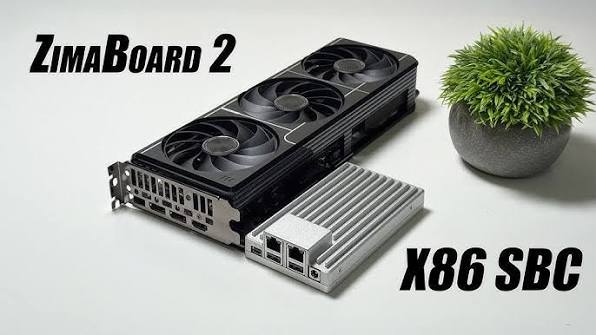
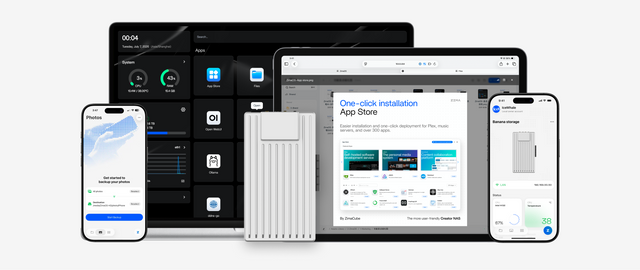
The ZimaSpace NAS guide for several family phone libraries covers account and capacity thresholds. A ZimaBoard 2 Mini Home Server fits a compact compute-first setup with deliberate attached storage. A ZimaCube 2 AI NAS is the clearer base when several users, multi-drive capacity, longer retention, and storage-first recovery define the household system. Roles such as local AI, virtual machines, ad blocking, or complex automation should wait until mobile intake, sharing, recovery, and storage growth are already stable.
Review the role order again after the first month. If automatic uploads still fail, accounts remain shared, or restore tests have not happened, adding more services will only hide unfinished foundations. A phone-first server has reached a stable baseline when every user can confirm new media arrived, private and shared spaces remain distinct, capacity alerts are meaningful, and one trusted adult can restore a representative file without relying on the primary administrator.

Recommended products

NAS & Server Setup
More to Read
A Local RAG Setup for Research Papers, Notes, and Private Documents
Keep original documents authoritative, make indexing repeatable, require citations, and separate replaceable models from private source data.
Why Are Developers Using a Gateway Node for Private DNS, VPN, and Test Apps?
A gateway node gives private apps one controlled name and access path, while compute nodes stay unexposed and replaceable.
How to Build a Reproducible App Stack With Compose Files, Secrets, and Persistent Data Separated
Keep Compose definitions portable, secrets protected, and app data independently backed up so the stack can be rebuilt on a clean host.


