
Why Are Parents Keeping a Local Copy Even When Everyone Already Uses Cloud Sync?


Parents keep a local copy because cloud sync improves access but can propagate deletions and still depends on one provider, account, and recovery process.
The local layer is not meant to replace every cloud feature. It provides an independent archive, faster large restores, longer family-controlled version history, and one place to consolidate approved copies from several accounts. The safest design lets local and cloud storage protect against different failures instead of mirroring the same mistake everywhere.
Cloud Sync Solves Access but Does Not Create an Independent Recovery Copy
Cloud sync keeps current files aligned across phones, computers, and online accounts. That convenience also means changes and deletions can propagate. Parents keep a local copy because a separate archive can preserve a known state outside the same synchronization rules.
Cloudwards distinguishes cloud storage and synchronization from recovery-oriented online backup. That sync-versus-backup boundary explains why a fully synchronized family account can still lack an independent restore point.
Name which system is authoritative for each data class. Cloud may remain the active collaboration and phone-access layer, while the local server receives scheduled exports, originals, and versions that ordinary cloud users cannot silently remove.
A local copy should not be a second live sync target with identical deletion behavior. Use a backup or archive process that preserves earlier states and can be read without the cloud client. Otherwise, the household has two locations but only one logical copy because the same mistaken change can reach both immediately.
A Local Copy Protects Against Account and Service Failure
Cloud data can become unreachable after a lost device, locked account, payment problem, service change, or failed recovery process. The provider may still hold the files, but the family may not be able to obtain them when needed. A local archive separates data access from one identity provider.
The Washington Post reports cases where important cloud data became difficult to retrieve and recommends maintaining a local copy. That account-independent local copy is particularly relevant for family memories and records controlled by one parent’s account.
Export critical cloud libraries before a crisis. Preserve filenames, metadata, sidecars, and account ownership information. Keep recovery credentials for the local archive separate from the cloud account it protects.
Test account independence by disconnecting the archive from the cloud service and opening representative files locally. Confirm that filenames, dates, metadata, and encryption keys remain usable. The local layer fails its purpose when it is merely a cache that cannot be interpreted or restored without reauthorizing the original provider account.
Local Restore Is Faster for Large Household Libraries
A family photo archive, laptop image, or years of home video can take a long time to download after a device failure. Internet speed, provider throttling, archive preparation, and the number of small files can all extend recovery. A local server provides a nearby source for large restores.
TechTarget’s 2026 comparison of cloud and local backup notes that both approaches have advantages and that the right combination depends on recovery and operational needs. That local-versus-cloud recovery trade-off supports using cloud for off-site protection and local storage for practical restoration speed.
Test a folder restore and one larger device or media restore from the local copy. Record throughput and elapsed time. The local archive should be readable without first rebuilding the cloud sync client or waiting for an export request.
Measure the recovery path that matters most: one deleted folder, a replaced laptop, or a complete phone-library export. Small restores may be equally convenient from cloud or local storage, while multi-terabyte archives expose the difference. The result should guide which data is cached locally and which can remain cloud-first.

Parents Want Originals Outside Optimized Cloud Libraries
Cloud services may optimize viewing copies, reorganize albums, separate metadata, or change export structure. A local archive can preserve the original files, sidecars, folder context, and a consistent naming scheme that remains understandable without a particular application.
WIRED’s digital-life backup guide argues that personal photos, videos, documents, and system data require a deliberate backup plan rather than one synchronized location. That original-file backup requirement supports keeping an export or archive outside daily cloud use.
Store originals in a read-controlled archive and keep generated previews or app indexes separate. Validate dates, orientation, videos, edits, and several older files after each major export. Do not delete the cloud copy simply because a local import completed.
Local Versions Give Parents a Longer Decision Window
A child or adult may delete, overwrite, or reorganize a file without noticing immediately. Cloud recycle bins and version history are useful, but their retention depends on the service and plan. Local snapshots or versioned backups can follow the family’s own recovery window.
Backblaze’s 3-2-1 strategy recommends multiple copies across different storage or locations. That independent-version history gives parents a recovery layer that does not share the cloud account’s deletion policy.
Choose retention by data value and change rate. Active documents may need frequent versions, while stable photo originals may need longer snapshots and off-site copies. Protect retention controls from the same ordinary accounts that edit the live files.
Review one accidental-deletion scenario with a real family account. Confirm that the local version remains available after the synchronized copy disappears, and record who can restore it. A version history is useful only when the household knows the retention window and the restore path before that window closes.
A Home Server Can Consolidate Copies From Several Family Accounts
Families often use several Apple, Google, Microsoft, school, and work accounts. A local server can collect approved exports and device backups into one inventory without forcing everyone to share one cloud identity. Personal folders remain private while selected family libraries become common resources.
Tom’s Hardware recently described a headless home server used for a growing photo library and computer backups. That local consolidation workflow shows the practical value of a stable household destination even when cloud services remain in use.
Use one account per person and one authoritative path per data class. Record which cloud source feeds each local dataset and whether deletions flow back. Consolidation should clarify ownership, not create a single unrestricted family folder.
The Strongest Setup Uses Local and Cloud Copies for Different Failures
A local server protects against cloud-account problems and enables fast recovery, but it remains vulnerable to theft, fire, hardware failure, and administrator mistakes. Cloud storage provides geographic separation and convenient access, but it should not be the only place where irreplaceable originals exist.
Puget Systems’ NAS guide treats backup planning as part of the storage design rather than an optional feature added later. That local-storage-plus-backup model supports a hybrid family workflow instead of an either-or decision.
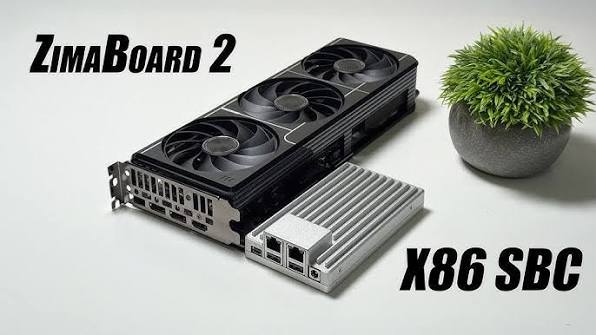
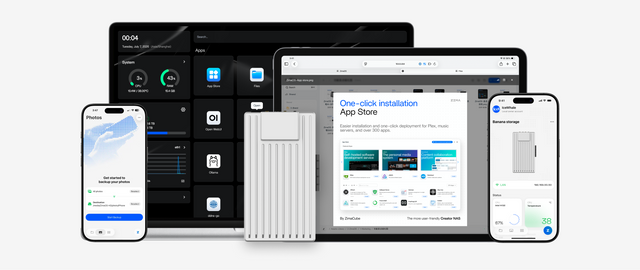
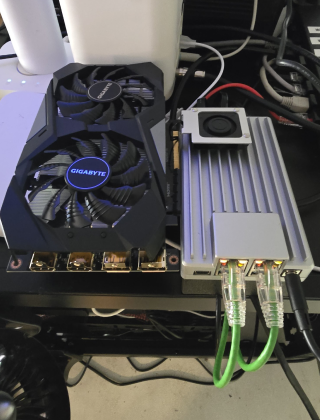
The ZimaSpace article on keeping cloud and local family-photo copies provides the broader protection framework. A ZimaBoard 2 Mini Home Server fits a compact compute-first setup with deliberate attached storage. A ZimaCube 2 AI NAS is the clearer base when several users, multi-drive capacity, longer retention, and storage-first recovery define the household system. Parents keep a local copy because the local and cloud layers should fail independently and restore each other.
Cloud sync remains valuable for everyday use, while the local server becomes the family’s account-independent recovery and originals layer.
Assign one person to review export success, local capacity, and off-site protection at a predictable interval. Hybrid protection becomes unreliable when every layer exists but no one checks it. A short quarterly restore and account-recovery test is more valuable than adding another unverified copy whose status nobody understands.

Recommended products

NAS & Server Setup
More to Read
A Local RAG Setup for Research Papers, Notes, and Private Documents
Keep original documents authoritative, make indexing repeatable, require citations, and separate replaceable models from private source data.
Why Are Developers Using a Gateway Node for Private DNS, VPN, and Test Apps?
A gateway node gives private apps one controlled name and access path, while compute nodes stay unexposed and replaceable.
How to Build a Reproducible App Stack With Compose Files, Secrets, and Persistent Data Separated
Keep Compose definitions portable, secrets protected, and app data independently backed up so the stack can be rebuilt on a clean host.


