
Why Do Laptop-Based Home Labs Become Fragile Once Beginners Add 24/7 Services?


A laptop homelab becomes fragile when an optional experiment turns into a service that someone expects to be available every day.
The laptop may still have enough CPU and memory. What changes is the operating model: sleep is no longer acceptable, heat becomes continuous, storage must survive reinstalls, clients need a stable address, and updates require planned downtime. A machine designed to move with one user is now being asked to behave like fixed household infrastructure.
The Workload Changes Before the Hardware Does
A beginner lab is forgiving because the operator is usually its only user. Ports can change, containers can be rebuilt, and an evening of downtime is part of learning. The same machine becomes harder to manage when it starts receiving automatic backups, serving family files, or providing media to several devices.
ServeTheHome’s TinyMiniMicro project distinguishes compact nodes used for controllers and development workloads from systems that need much more storage. That difference between a small service node and a storage-heavy server role explains the first structural mismatch. The laptop has not necessarily become slower; its responsibilities have become less disposable.
Fragility begins when the operator can no longer restart, move, or reinstall the laptop without interrupting another person’s routine or risking data that has no independent copy.
Laptop Power States Are Not Server Power States
A laptop is designed around a person opening the lid, closing it, moving between power sources, and allowing the system to sleep. A 24/7 service assumes the opposite: the machine stays awake, restarts its workloads after a reboot, and remains reachable without anyone touching it.
PCWorld notes that closing a Windows laptop normally triggers sleep or hibernation unless both the lid action and separate timeout settings are changed. A background service therefore depends on more than simply leaving the lid open.
This mismatch produces intermittent failures. The server works during setup, disappears after an idle period, returns when the laptop is opened, and then misses an overnight backup window. Because the machine recovers by itself, the operator may treat each outage as random instead of recognizing a power-policy problem.
Continuous Heat Turns Convenience Hardware Into a Maintenance Risk
Short tests rarely reveal the thermal pattern of an always-on workload. Indexing, thumbnail generation, backup scans, and media processing can keep the CPU, storage, and fans active for hours. The laptop must also dissipate that heat through a chassis designed for portable use.
PCWorld’s overheating guide identifies blocked airflow, dust, room temperature, processor power, and charging behavior as contributors to sustained heat. Its recommendation to keep vents clear reflects the broader need to control continuous thermal stress inside a laptop chassis.
The battery adds another maintenance variable. It can bridge a brief outage, but long exposure to heat and high charge can age it. A 24/7 laptop therefore needs visible placement, access for cleaning, temperature checks under real workloads, and a battery-inspection plan—not a hidden corner chosen only because the machine is small.
Storage Expansion Can Hide the Recovery Problem Instead of Solving It
Most laptop labs begin with one internal SSD. The operating system, application databases, downloads, and personal files gradually share the same failure and reinstall path. Adding USB drives increases capacity, but it does not automatically separate system failure, application recovery, and household data.
PCWorld’s external-drive recovery guide emphasizes that an attached drive can still fail and should not hold the only copy of important files. That need for another independent copy matters because beginners often mistake “external” for “backed up.”
Fragility appears when a cable is disconnected, a drive mounts under a different path, an enclosure starts later than the operating system, or a reinstall erases the application state required to interpret the files. The problem is not the USB connector itself. It is the absence of documented roles and independent recovery paths.
A Mobile Network Identity Conflicts With Persistent Client Connections
A normal laptop moves between Wi-Fi networks, changes adapters, and accepts whichever address the router assigns. A server must look stable to backup clients, media players, bookmarks, and other services that reconnect without asking the operator where the machine moved.
TechTarget explains that servers and infrastructure devices commonly use static addressing or a DHCP reservation because they need an identity that remains consistent across lease renewals and reboots.
Without that consistency, the operator repeatedly repairs shortcuts and application settings while the underlying problem remains unchanged. Wired Ethernet, one reserved local address, and one clear hostname reduce this friction. Remote access should come later, after the server can remain discoverable on the local network for an extended period.
Updates Become Availability Events Instead of Private Experiments
An experimental machine invites change. A beginner replaces a dashboard, updates the operating system, tests a new storage driver, or reboots after changing a runtime. Once the laptop hosts household services, the same actions become availability events with users, timing, and recovery consequences.
TechTarget’s server-monitoring guide recommends watching availability, performance, processes, storage, networks, and logs because uptime depends on several interacting components, not merely whether the machine has power.
The core conflict is operational: the beginner needs freedom to break the lab, while the household needs predictable service. Maintenance windows, restart checks, and simple monitoring can reduce the risk, but they also signal that the laptop is no longer a casual experiment.
The Migration Threshold Is Loss of Freedom, Not CPU Utilization
The right time to move 24/7 roles is not when the processor reaches a particular percentage. It is when the laptop can no longer be closed, moved, upgraded, or reinstalled without interrupting another person or creating a recovery problem.
ServeTheHome shows how a one-liter PC can be configured as a dedicated server with planned memory, storage, and networking. That dedicated compact-server model preserves the small footprint while removing the expectation that the machine must also behave like a personal laptop.
Freeze new experiments, document each service’s data and network path, move one persistent role, then verify access and recovery before moving the next. The guide on how to build a first home server around three services helps identify which workloads have become important enough to migrate.
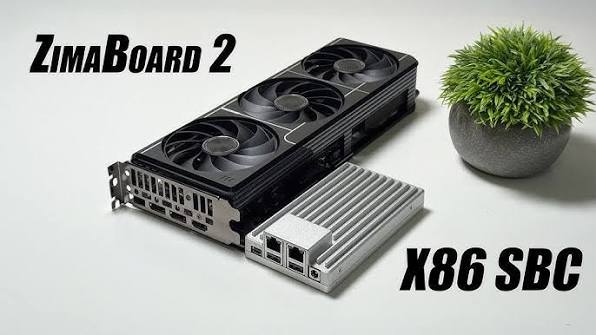
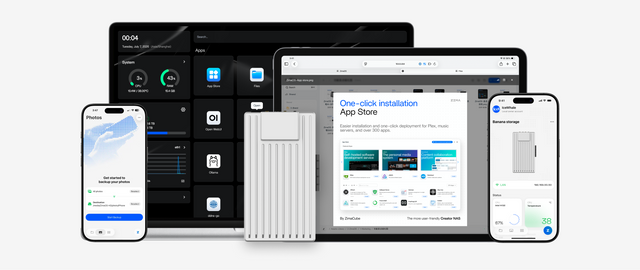
A ZimaBoard 2 Mini Home Server fits an app-first move to a fixed, always-available node. A ZimaCube 2 AI NAS is the stronger starting architecture when several drives, shared household capacity, and storage-first recovery are already required.
The laptop was not the wrong place to begin. It became fragile because its duties changed while its power, storage, network, and maintenance boundaries remained those of a personal computer.

Recommended products

NAS & Server Setup
More to Read
A Local RAG Setup for Research Papers, Notes, and Private Documents
Keep original documents authoritative, make indexing repeatable, require citations, and separate replaceable models from private source data.
Why Are Developers Using a Gateway Node for Private DNS, VPN, and Test Apps?
A gateway node gives private apps one controlled name and access path, while compute nodes stay unexposed and replaceable.
How to Build a Reproducible App Stack With Compose Files, Secrets, and Persistent Data Separated
Keep Compose definitions portable, secrets protected, and app data independently backed up so the stack can be rebuilt on a clean host.


