
What Changes When Grandparents Need Remote Access to the Family Photo Archive?


A family photo archive becomes a supported remote service when grandparents need simple access without receiving control over storage, users, or recovery.
The setup must optimize for a relative who wants to open an album, recognize the controls, and recover from a forgotten password—not for the person who built the server. That changes identity design, album scope, remote delivery, contribution rules, support ownership, and fallback planning. Grandparents should see a dependable family experience while the administrative and backup layers remain invisible.
Remote Access Turns a Local Archive Into a Supported Family Service
A local photo archive can succeed even when only one household administrator understands it. Grandparent access changes that assumption. The system now needs a predictable remote route, a simple viewing experience, clear support ownership, and a fallback that still works when the main photo application or home internet connection is unavailable.
A 2026 study of grandparent-grandchild communication found value in systems that make everyday family information easier to exchange across distance. That cross-generational connection goal is the reason to optimize for frequent, low-friction viewing rather than exposing a technically complete NAS interface.
Write a service contract before enabling remote access: grandparents can view selected albums, download approved originals, and optionally contribute to an intake album; they cannot browse private libraries, alter retention, manage users, or reach the server dashboard. Name the family member responsible for invitations, account recovery, and support.
Create Grandparent Profiles With Album-Level Scope
Grandparents should receive individual identities rather than a shared family password. Separate profiles make it possible to revoke one device, reset one account, preserve favorites, and distinguish who contributed a photo. The visible library should be limited to intentionally shared albums or a curated family timeline.
TechTarget defines role-based access control as assigning permissions through roles instead of configuring every user independently. That role-based permission model supports a simple grandparents group with view rights, optional download rights, and no administrative access.
| Identity | Normal access | Denied by default |
|---|---|---|
| Grandparent viewer | Selected albums and approved downloads | Private uploads, deletion, and administration |
| Grandparent contributor | Viewer access plus one intake album | Direct writes to the originals archive |
| Family curator | Approve contributions and manage shared albums | Server root access during daily use |
| Server administrator | Accounts, storage, backup, and recovery | Routine viewing through unrestricted credentials |
Test the effective permissions from a grandparent account on the actual tablet or computer. A server dashboard showing the correct group is not enough. The account should open directly into the intended library and should be unable to discover private paths through search, shared links, or file-browser navigation.
Choose a Browser or App Path That Avoids NAS Administration
Remote relatives should not need to understand SMB shares, port numbers, VPN routing, storage pools, or container names. The primary path should be a photo application or browser page with recognizable albums, large controls, stable navigation, and minimal setup steps on each device.
Research-based guidance on web usability for older adults emphasizes reducing interface complexity and improving clarity for people over 65. That older-adult usability requirement argues for a purpose-built photo view rather than teaching relatives the storage administration layer.
Pilot the workflow in person or through a video call. Ask the grandparent to open a recent album, find an older event, enlarge a photo, return to the timeline, and sign in again after closing the browser. Every instruction that depends on remembering a hidden menu or technical term should be simplified or documented with screenshots.

Simplify Sign-In Without Sharing an Administrator Account
Remote access introduces account recovery, lost devices, phishing risk, and browser sessions that may remain signed in. Convenience should come from a limited account, saved bookmark, clear device enrollment, and a family-assisted recovery path—not from giving everyone the administrator password.
WIRED’s NAS sharing guidance separates ordinary file access from the protected management path. That user-access-versus-administration boundary is especially important when a relative needs simple remote viewing but no authority over storage or backups.
Use a unique account and a sign-in method the grandparent can repeat. Record which family member can reset access, remove a lost device, or issue a new invitation. Keep the administration interface restricted to trusted devices or the local network, and never make the photo viewer account a recovery administrator.
Deliver Browsing Copies Before Full Originals
Remote photo use is dominated by thumbnails, timelines, and occasional full-screen viewing. Sending every full-resolution original across a slow upstream connection can make the archive feel broken even when the server is healthy. Generated thumbnails and streaming-friendly previews should live on fast storage and be rebuildable from the protected originals.
Cloudwards notes that local NAS access and cloud-style remote access have different performance and maintenance trade-offs. That local-control-versus-remote-delivery trade-off explains why a remote family archive needs bandwidth-aware delivery rather than treating internet access like the home network.
Measure the home connection’s upload behavior during ordinary use. Test album opening, video playback, and several simultaneous viewers from mobile data. If large videos remain difficult, preserve them in the archive but provide optimized viewing copies or selected cloud-shared albums for events where reliable access matters more than using one platform.
Separate Viewing, Downloading, and Contributing Rights
Grandparents may want to view photos, save a few originals for printing, or contribute scans and old family pictures. These are different actions. A contributor should upload into a review queue rather than write directly into the authoritative archive, where filenames, dates, duplicates, and deletions affect everyone.
TechRadar’s 2026 NAS guidance treats remote file access, multi-user sharing, backup, and media use as separate capabilities that must be evaluated together. That multi-user remote-access distinction supports giving relatives only the actions required by the family photo workflow.
Create one grandparents-contribution album or intake folder. A curator reviews dates, orientation, duplicates, and ownership before moving files into the originals library. Downloads should preserve approved quality, while deletion and album restructuring remain limited to curators.
Add Support, Backup, and a Fallback for Important Family Events
A remote archive becomes a family service, so failure affects more than the administrator. Document how relatives report access problems, who can reset an account, how long an outage is acceptable, and what alternative sharing method will be used during a reunion, memorial, birthday, or other time-sensitive event.
Backblaze’s 3-2-1 strategy separates the active archive from additional local and off-site copies. That independent-copy requirement ensures remote convenience does not turn the home server into the only surviving copy of family history.
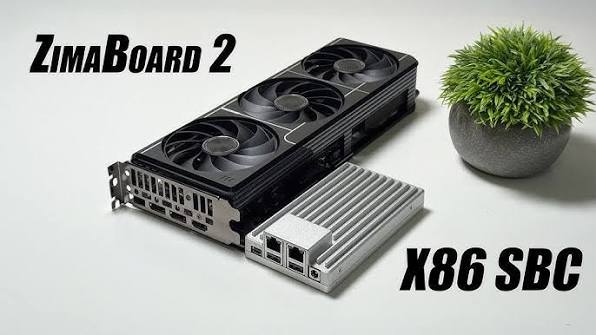
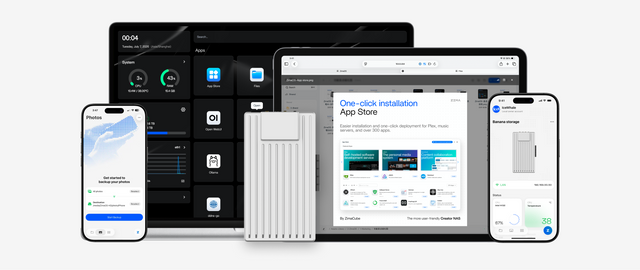
The ZimaSpace article on organizing family photos and controlling relative access provides the library-side context. A ZimaBoard 2 Mini Home Server fits a compact compute-first setup with deliberate attached storage. A ZimaCube 2 AI NAS is the clearer base when several users, multi-drive capacity, longer retention, and storage-first recovery define the household system. The remote-access setup is complete only when a grandparent can use it unaided, an administrator can revoke it safely, and the originals remain recoverable elsewhere.
A useful support check is to wait a week and ask the grandparent to repeat the workflow without guidance. Verify that the bookmark still works, the account is remembered safely, recent albums load, and the person knows whom to contact when access fails. Record the device model, browser or app version, and last successful sign-in so later troubleshooting begins with facts rather than asking the relative to diagnose the server.

Recommended products

NAS & Server Setup
More to Read
A Local RAG Setup for Research Papers, Notes, and Private Documents
Keep original documents authoritative, make indexing repeatable, require citations, and separate replaceable models from private source data.
Why Are Developers Using a Gateway Node for Private DNS, VPN, and Test Apps?
A gateway node gives private apps one controlled name and access path, while compute nodes stay unexposed and replaceable.
How to Build a Reproducible App Stack With Compose Files, Secrets, and Persistent Data Separated
Keep Compose definitions portable, secrets protected, and app data independently backed up so the stack can be rebuilt on a clean host.


