
Subscription Media Hosting vs Self-Hosted Plex: Which Control Model Fits?


Subscription hosting and self-hosted Plex do not sell the same kind of responsibility. A subscription delegates infrastructure and support in exchange for continuing dependence on provider rules, while self-hosting gives the household control of the server and media path in exchange for operating it.
The better model is therefore not determined by a universal cost winner. It depends on which party should control storage, access, maintenance, recovery, and the exit path when needs change.
Control and Data Custody Define the Real Difference
Self-hosted Plex keeps the media files and primary server under the owner's administrative control. That can improve customization and local independence, but it also makes the owner responsible for access policy and recovery. The attraction is concrete: self-hosted media puts access controls and storage choices in the operator’s hands.
A subscription model delegates more of the platform. The provider can change plans, supported features, storage limits, or account rules; the user gains less infrastructure work but accepts a continuing external dependency. Data possession and service continuity are therefore separate questions.
Choose self-hosting when local custody, custom organization, and the ability to keep serving media without a hosting subscription are mandatory. Choose managed hosting when avoiding infrastructure ownership is more important than controlling every layer.
Managed Convenience Trades Away Operator Work
Self-hosting adds setup, patching, monitoring, storage replacement, remote-access diagnosis, and restore testing. The burden persists after the first successful stream; maintenance, upgrades, and troubleshooting remain part of the self-hosted commitment.
A subscription is preferable when nobody wants an on-call role, a support channel matters, or failed hardware cannot wait for the household operator. Self-hosting is preferable when that work is acceptable, skills are available, and change control is worth the effort.
The adjacent cost-to-own comparison for self-hosted Plex and managed services can answer the financial question separately; this decision should not disguise time and responsibility as a price-only calculation.
Availability Depends on Which Failure You Can Tolerate
A managed service can remain reachable when the home server is off, but it depends on the provider account and internet path. A self-hosted Plex server can keep local playback inside the home during an external-service interruption, but remote access fails with home power, internet, router, or server outages. Good self-hosting practice therefore treats dependencies deliberately; essential functions should not silently depend on one optional home-server stack.
List the failures that matter: provider outage, subscription cancellation, home power loss, ISP outage, disk failure, administrator absence, or account lockout. Neither model removes failure; each relocates it.
Managed hosting wins when remote continuity and delegated hardware repair dominate. Self-hosting wins when local independence and control during provider-side changes dominate. If both matter, a hybrid plan can keep primary media local while preserving an independent remote or backup path for selected content.

Portability Matters Before You Need to Leave
Before adopting a subscription platform, verify bulk export, metadata portability, account-deletion behavior, and any bandwidth or egress charges. Exit friction is not limited to storage fees; data leaving a cloud platform can carry separate cost and operational friction.
Self-hosting makes the raw media easy to retain because it already lives on owned storage, but application metadata, watched state, posters, and configuration still require documented backups and migration steps. Owning disks is not the same as having a tested exit plan.
Reject either model if it cannot produce a usable copy of the media and the state you consider important. A provider should expose a practical export route; a self-hosted system should have a restore procedure that works on replacement hardware.
Choose Managed, Self-Hosted, or Hybrid by Responsibility
The apparent two-way choice is often false. Public cloud, private infrastructure, and on-premises systems each exchange convenience for control, and hybrid and self-managed models exist between fully public service and one local box.
Choose subscription hosting when predictable service and delegated operations matter more than physical custody. Choose self-hosted Plex when local control, customization, and ownership of the primary media path justify maintenance. Choose hybrid when local media should remain authoritative but selected backups, remote workflows, or shared services benefit from an external provider.
The stop rule is responsibility: do not self-host a critical library unless someone will patch, monitor, back up, and restore it; do not subscribe unless provider dependency and exit conditions are acceptable. The right model is the one whose operational owner is explicit.

Recommended products

Product Comparisons
More to Read
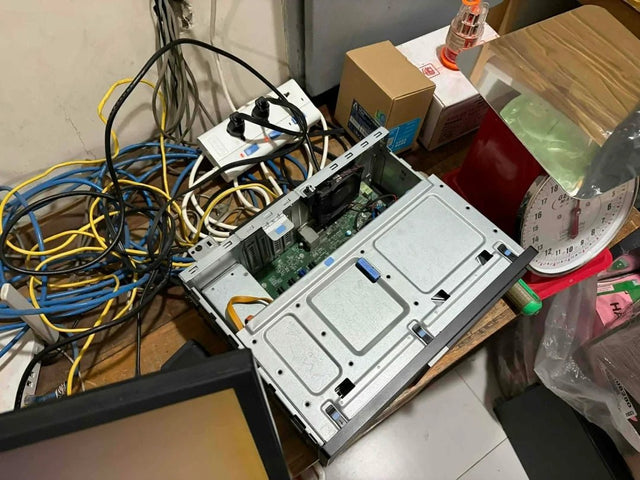
WireGuard Server vs Mesh VPN for Devices Behind CGNAT
Use mesh VPN for low-friction roaming devices; use a WireGuard relay when you want to own routing, keys, and the public endpoint.
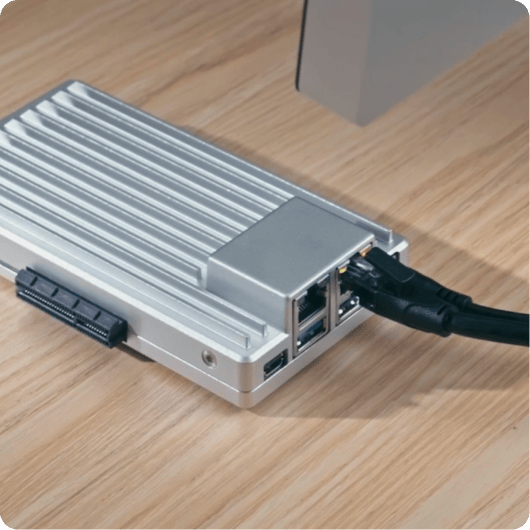
10GbE NAS on Gigabit Clients: Upgrade the Server or Endpoints First?
Upgrade the endpoint path for one slow workstation; upgrade the NAS uplink first when several gigabit clients saturate it together.
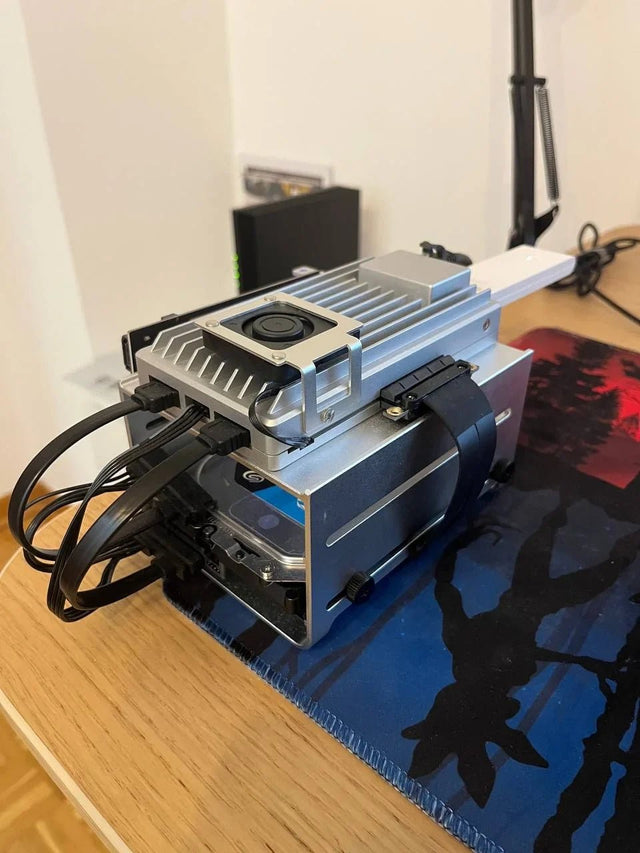
1GbE vs 2.5GbE for a Home Server: Which Workloads Cross the Line?
Keep 1GbE for light services and single streams; move to 2.5GbE when recurring transfers or combined clients sustain more than about 100 MB/s.


