
Docker vs Native PHP Deployment: Which Is Easier to Patch and Maintain?


Docker can make an application's runtime reproducible through an image, while native PHP can fit a well-maintained operating-system package workflow. Either can be straightforward; either can become difficult when its update source is abandoned or its configuration is undocumented.
Docker is convenient when a maintained application image supplies a supported runtime and repeatable replacement process. Native packages can fit a distribution-managed server well. In either case, record the actual running revision and verify the affected service after the update.
Compare the maintenance units
| Area | Docker-based PHP | Native PHP |
|---|---|---|
| Update unit | Maintained app image or custom rebuilt image | Distribution or maintained repository packages |
| Deployment step | Replace image reference and recreate services | Upgrade packages and restart affected services |
| Runtime evidence | Image digest plus running service checks | Package revision plus web-handler checks |
| Persistent data | Volumes and external databases need separate protection | Files and databases need separate protection |
| Common blind spot | New image downloaded; old container still running | CLI updated; web worker or another branch overlooked |
| Recovery constraint | Old image may not match migrated data | Old packages may not match migrated data |
When Docker simplifies the job
A maintained application image can bundle a known runtime and dependency set, reducing differences between machines. Separate services can use different compatible PHP branches without sharing one host installation.
The operator must still watch image releases, change pins when needed, recreate all relevant services, and preserve volume mappings. A custom image adds build responsibility: updating a host package does not rebuild your image, and editing a running container is not a durable image maintenance process.
Docker's security guidance also makes configuration part of the boundary. Broad host mounts, excessive privileges, or daemon control can defeat the intended separation. Evaluate those settings independently of the convenience of image-based updates.
When native PHP is a good fit
A simple host with a supported distribution and a well-understood web-server configuration can have a direct package-based update path. The package manager can provide a traceable revision and vendor advisory.
Document every installed branch, the repository that supplies it, and the handler each site uses. The shell's default binary may not be the one serving the site. Vendor backports also mean a package revision can matter more than an upstream-looking version string. Restart the relevant services and long-running workers after deployment.
Rollback is an application problem in both cases
Keeping an older image or package reference is useful, but it is not a full rollback plan. An application update can change database schema, configuration, or file formats. Restoring only the executable may leave the service inconsistent.
Preserve a compatible recovery set and follow the application's restore documentation. If you must return temporarily to vulnerable software, keep it isolated while pursuing a fixed, compatible release. Do not reopen a service solely because the previous version starts.
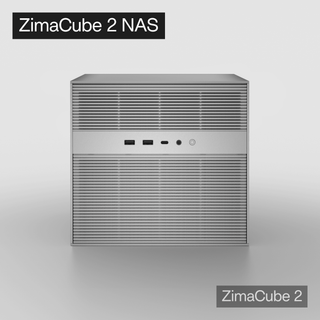
Which fits a ZimaCube 2 home server?
Choose Docker when your preferred apps have maintained images and you can manage their configuration, volumes, and update process. Choose native packages when your operating system and applications have a supported package path that you understand. If both are available, compare the actual maintainers and release evidence.
Whichever model you use on ZimaCube 2, assign an update owner and keep independent recovery copies. The better deployment is the one you can patch, validate, and restore under real conditions.
Explore ZimaCube 2 Personal Cloud Home NAS for your private storage and self-hosted application setup. Software security depends on the installed services, their configuration, and verified updates.
Continue the PHP security series
Sources and scope
Checked October 22, 2026. Deployment advice must be matched to your application and vendor documentation; these articles do not establish product-specific exposure.

Recommended products
Product Comparisons
More to Read
LFM2.5-24B-A2B vs DeepSeek API: Which Fits Your Home Server Agent Workflow?
Compare LFM2.5-24B-A2B local inference with the DeepSeek API for home-server agents: privacy boundaries, hardware, maintenance, quality, and costs.
Granite Speech 5.0 vs Cloud Transcription: Privacy, Hardware, and Accuracy Compared
Compare local Granite Speech 5.0 with cloud transcription for audio privacy, setup, hardware, accuracy, maintenance, and NAS archive workflows.

Claude Duet vs ChatGPT Dots: Ongoing Work, File Access, and Approvals Compared
Compare Claude Duet and ChatGPT Dots for ongoing tasks, connected apps, computer access, file boundaries, and review controls in personal-cloud workflows.


