
GitHub Agentic Autofix Explained: From Security Alerts to Reviewable Pull Requests


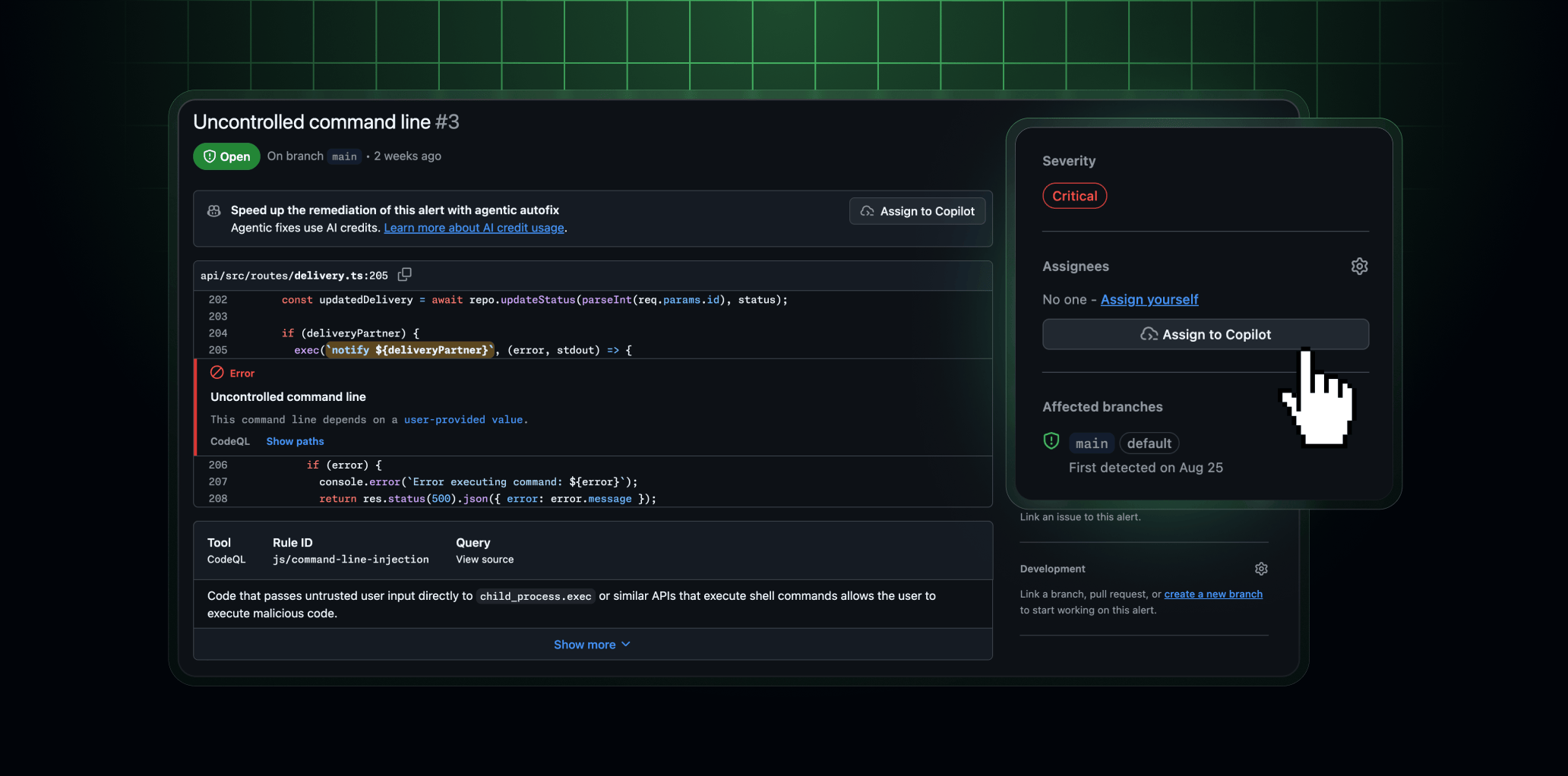
GitHub Agentic Autofix moves an eligible security alert toward a reviewable code change: it investigates relevant files, proposes a correction, reruns CodeQL, and opens a draft pull request. It can reduce the work between an alert and a candidate fix. Closing the alert is still different from proving the application works or deploying the change.
For a home-server project, review the diff, check the affected behavior, and retain a rollback path before shipping the resulting image or package. Keep the source revision linked to the actual deployment. An AI-produced draft PR should make the next decision easier, not obscure which software is running on your NAS.
What does Agentic Autofix do with an alert?
The feature works across relevant repository files rather than offering only a single isolated edit. GitHub describes an iterative process that uses CodeQL validation before producing a draft pull request. Read the generated summary and validation evidence alongside the code itself.
The discovery versus patching comparison explains why a finding, a proposed fix, and a deployed correction are separate milestones.
Which prerequisites and limitations matter?
| Requirement | What to verify |
|---|---|
| Access | Eligible Enterprise Cloud security product and policies |
| Enablement | Enterprise policy, then organization or repository settings |
| Billing | Required billing setup, AI Credits, and Actions usage |
| Alert scope | An assignable alert on the default branch |
| Output | A draft PR for review rather than an automatic production release |
Check current official availability for your account. Do not assume the feature is included merely because you can use a general-purpose coding assistant.
Why can a static-analysis fix still break the application?
Static analysis checks properties represented by its rules and the available code context. A change can eliminate an unsafe data flow while also rejecting valid input, dropping a required feature, or changing authorization behavior. The correct target is a secure implementation of the intended behavior, not only the disappearance of an alert.
GitHub’s Agentic Autofix description explains the CodeQL rerun and draft-PR output. The rerun is valuable evidence for the alert; it is not a comprehensive functional specification. Read the generated explanation against the code path and the legitimate case the app must still support.
What does a successful CodeQL rerun prove?
It provides evidence about the relevant static-analysis finding under that analysis configuration. It does not establish every functional requirement, integration, deployment setting, or data migration. A changed authorization path may silence an alert while also affecting a legitimate workflow.
Use the Autofix review guide to combine the security evidence with one focused behavior check. Expand testing when the diff or remaining uncertainty warrants it.
How does this affect self-hosted applications?
It is most directly useful for code you maintain in an eligible repository. A third-party app or PHP runtime usually needs its vendor’s supported release. Editing your deployment repository does not patch a runtime bundled inside an unchanged image.
The PHP runtime identification guide and advisory verification workflow help connect the source change to the affected service.
What should connect the alert to the running home-server app?
| Stage | Traceable identifier |
|---|---|
| Finding | Alert and affected source location |
| Correction | Reviewed commit or PR |
| Build | Image digest or package release |
| Deployment | Service and running artifact |
| Validation | Relevant security and user-behavior evidence |
For example, merging a corrected Dockerfile does not replace a container that is still running the old image. Docker’s service recreation reference describes the delivery step; the repository workflow describes the correction. Keep both records if the security change is to have an operational effect.
Follow the review and deployment checklist for a focused change, and the advisory inventory when a fix spans third-party runtime updates too. If the repository is not the source of the installed app, ask the actual application maintainer for its supported release rather than assuming a generated patch belongs in the live container.
What should be retained with the final change?
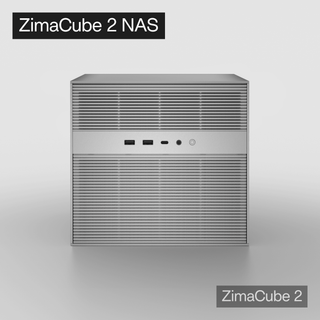
Keep the alert reference, reviewed diff, relevant validation, built artifact identifier, deployment date, and rollback notes. Store application backups independently of the repository. ZimaCube 2 can retain these files, but it does not transform a draft PR into a verified production deployment.
For the distinction between detecting a PR issue and generating a broader correction, read the AI Scan versus Agentic Autofix comparison.
Frequently asked questions
Does Agentic Autofix automatically deploy a fix to my NAS?
No. The described output is a draft pull request. Review, merging, building, and deployment remain separate steps.
Can I assign an alert that exists only on a pull request?
GitHub documents support for eligible default-branch alerts, rather than alerts found only on other branches or PRs.
Does a closed CodeQL alert prove the entire app is correct?
No. It is security-analysis evidence and should be paired with focused functional review and checks.
Can it replace an application vendor’s security update?
No. Use the supported vendor release for packaged third-party software unless you deliberately maintain your own reviewed build.
Related reading
- How to Review and Test Agentic Autofix Changes Before Deploying to Your Home Server
- GitHub AI Scan vs Agentic Autofix: Detection and Remediation Compared
Sources
- GitHub Agentic Autofix: default-branch alerts and draft PRs
- GitHub autofix documentation and review workflow
Cover: GitHub Agentic Autofix official announcement image. Image source.

Recommended products
Tech & AI HUB
More to Read
How to Test Whether Agent Permissions Cover Only Required Tool Actions
A mechanism-first explanation of whether agent permissions cover only required tool actions, its shared-resource tradeoffs, three query-fanout FAQs, and a.

How to Measure NAS Write Amplification During Vector Index Ingest
A mechanism-first explanation of nas write amplification, its shared-resource tradeoffs, three query-fanout FAQs, and a practical verification protocol.
How to Test Restore-Point Consistency Across Models, Indexes, and Metadata
A mechanism-first explanation of restore-point consistency, its shared-resource tradeoffs, three query-fanout FAQs, and a practical verification protocol.


