
How to Review and Test Agentic Autofix Changes Before Deploying to Your Home Server


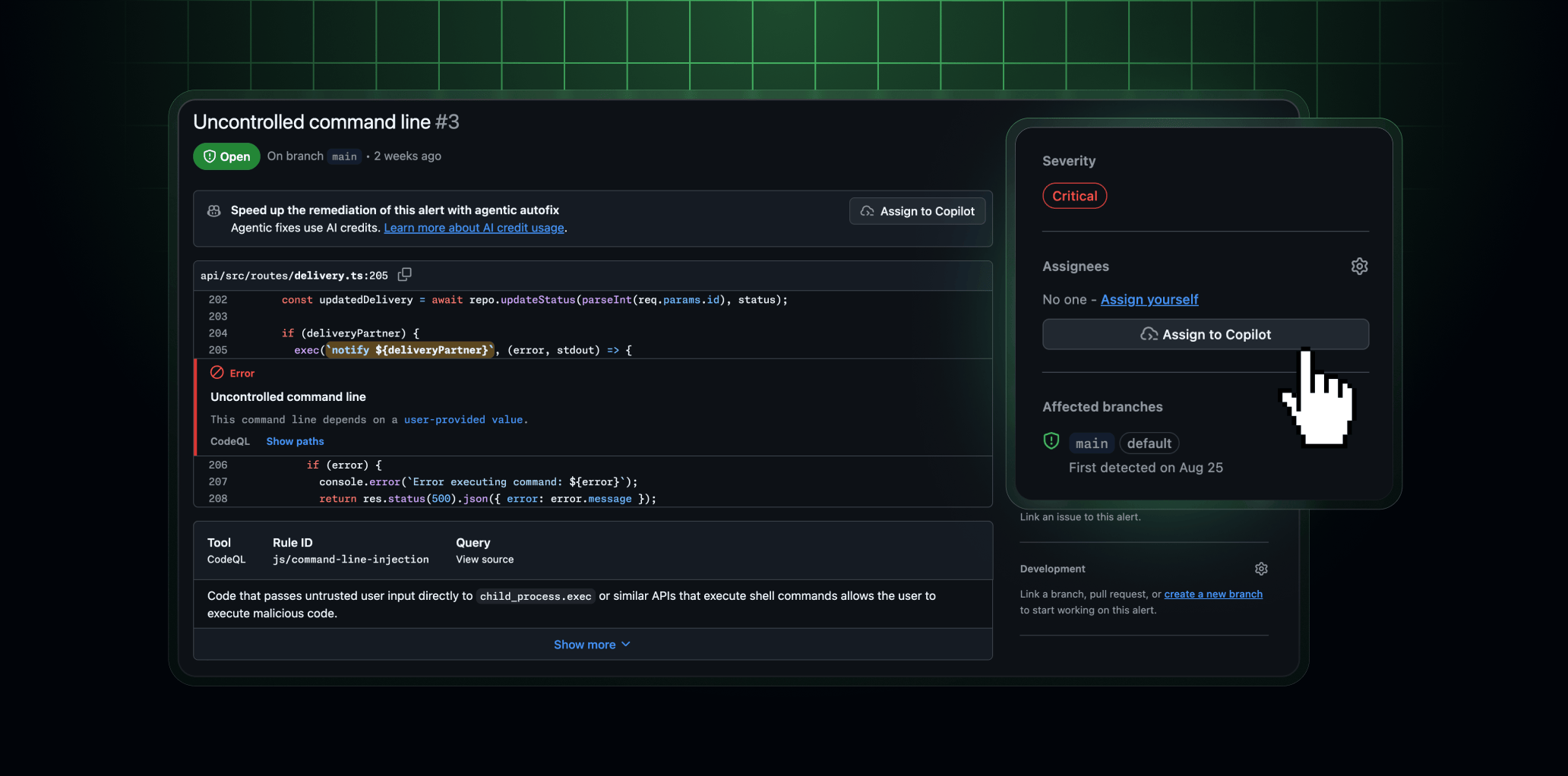
Review an Agentic Autofix change by tracing the reported problem through the diff to the relevant behavior. Check the generated CodeQL evidence, then verify the legitimate use case the fix could affect. Run the checks needed for that change rather than automatically starting a costly full-system test campaign.
Before deploying to a home server, keep recoverable application data and record the previous image or package. Merge approval, a successful build, and a running replacement service are different milestones. A concise deployment note should identify the exact artifact now serving users and how to recover if it fails.
What should I read before looking at the code?
Read the original alert, affected path, proposed explanation, and reported validation. Confirm that the repository and branch match the application you intend to deploy. Look for assumptions about authentication, user-controlled input, or configuration that may differ from your installation.
The Agentic Autofix overview explains what the product attempts. The generated narrative is a guide to review, not a substitute for checking the actual diff.
Which diff changes need closer attention?
| Change | Review question |
|---|---|
| Input handling | Does it reject malicious input while preserving valid input? |
| Authorization | Are the correct identity and permission checks retained? |
| Configuration | Does the fix broaden exposure or disable a protection? |
| Dependencies | Is the update supported and necessary? |
| Tests | Do they assert intended behavior rather than accept the bug? |
| Unrelated edits | Can they be removed to keep the correction understandable? |
Ask for a narrower revision when the patch mixes unrelated refactoring with the security correction. Smaller relevant diffs are easier to assess and recover from.
How do you choose a focused test from the actual diff?
Start with the behavior the correction touches. If it changes a path check, test a permitted path and a rejected path using harmless files. If it changes command arguments, inspect argument handling without executing a destructive command. If it changes authentication, verify an allowed identity and a denied identity in a suitable test environment.
| Diff area | Focused evidence |
|---|---|
| Validation | Valid input still works; invalid input is rejected |
| Authorization | Intended identity succeeds; out-of-scope identity fails |
| File access | Selected paths work without broadening the mount |
| Dependency change | Required app behavior and compatible release |
| Migration | Documented upgrade and recoverable state |
Use the generated CodeQL evidence for the original alert and add the closest behavior check. Do not claim broader test coverage than was actually run.
What testing is enough for a small fix?
Use the closest meaningful check: the affected parser input, route permission, file operation, or existing focused test. Confirm the CodeQL result separately. A production-critical path or a migration can justify broader validation; a small isolated correction may not.
Do not invent a passing result. Record what actually ran and what remains unverified. The focused workflow verification guide uses the same principle of explicit acceptance criteria.
What must be ready before deployment?
Keep an application-consistent database backup where needed, a recoverable data copy, configuration, and the prior artifact reference. Check whether a migration is reversible. If a rollback cannot safely reverse a data change, document a restore-based recovery plan instead of promising a simple image downgrade.
Use our recoverable-file guidance and Docker application update walkthrough to align recovery with the application’s state.
What should stop a candidate fix from being deployed?
Stop when it removes a required protection, introduces unexplained dependencies, changes unrelated data handling, or cannot be connected to a supported recovery path. A broad refactor can make a security patch harder to understand; ask for a smaller correction where possible. An unreviewed generated migration deserves separate scrutiny from a one-line input correction.
For a stateful deployment, preserve the app-specific recovery set before release. Nextcloud’s backup procedure is one example of the difference between a database-backed service and a directory of ordinary files. A prior image tag alone does not undo a schema change.
Connect container replacement and rollback with the verified running-artifact record. The end of review should name what changed, why it addresses the issue, what was checked, and how the service can recover. That is useful evidence even when the appropriate validation is small and deliberately focused.
How do I verify the running home-server service?
Deploy the reviewed build, confirm the new service is running the intended artifact, and perform the critical user action affected by the change. Save the revision, image digest or package version, time, and result. An unchanged service process can outlive an updated file on disk.
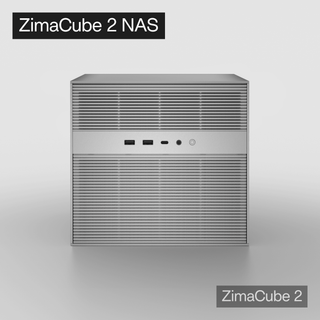
The advisory and deployment record guide makes this traceable. A ZimaCube 2 can hold recovery records and outputs while the update process stays specific to the application you run.
Frequently asked questions
Must I run every test suite for every Autofix change?
Use checks appropriate to the affected behavior and deployment risk. Broaden validation when the change or unresolved evidence requires it.
Is the generated PR summary enough for approval?
No. Read the relevant diff and validation evidence, and check assumptions against your application.
Can I roll back by changing the container tag?
Sometimes, but database or data migrations can require a restore. Check the application’s supported recovery process first.
What deployment evidence should I keep?
Keep the reviewed revision, built and running artifact identifier, relevant check result, deployment time, and recovery notes.
Related reading
- GitHub Agentic Autofix Explained: From Security Alerts to Reviewable Pull Requests
- GitHub AI Scan vs Agentic Autofix: Detection and Remediation Compared
Sources
- GitHub Agentic Autofix: default-branch alerts and draft PRs
- GitHub autofix documentation and review workflow
Cover: GitHub Agentic Autofix official announcement image. Image source.

Recommended products
Support & Tips
More to Read
How to Check Memory and Runtime Requirements Before Running LFM2.5-24B-A2B
Check LFM2.5-24B-A2B weight format, memory overhead, runtime versions, context, and tool compatibility before attempting a home-server deployment.
How to Test Granite Speech 5.0 with English Audio Files Stored on Your NAS
Test Granite Speech 5.0 on a short English recording from your NAS. Verify checkpoint revision, runtime, sample rate, transcript quality, and output handling.

How to Prepare Files and Permissions for a Claude Duet Workflow
Prepare a Claude Duet task with selected files, scoped connected accounts, separate drafts, reviewable outputs, and a clear connection-removal plan.


