
Is a Used NAS Worth Buying or a Hidden Storage Risk?


A used NAS can be worth buying if you treat the enclosure and the drives as two different purchases. The box may still be useful for file storage, media, learning, or secondary backup, but the drives should not be trusted just because they come included.
The hidden risk is not only drive failure. It can be expired firmware support, no warranty, locked accounts, missing trays, noisy fans, weak CPUs, old power supplies, higher power use, or a total cost that stops being cheaper once you add new drives and backups.
A Used NAS Is Two Purchases, Not One
The first mistake is pricing a used NAS by the advertised storage capacity. A listing with “4 × 8TB included” may look like a bargain, but those drives may already have years of 24/7 runtime, unknown temperatures, past vibration, bad shutdowns, or hidden errors.
The enclosure is reusable hardware. The drives are consumables with unknown history. That difference should decide how you value the deal.
| Part | Used Buying Logic | Risk Level |
| NAS enclosure | Can be good value if supported, complete, and resettable | Low to medium |
| Used HDDs | Treat as temporary unless health, hours, and warranty are verified | High |
| Power supply and fan | Check noise, heat, shutdowns, and replacement availability | Medium |
| Drive trays and caddies | Missing parts can erase the discount | Medium |
| Firmware support | Critical if the NAS will stay online or support remote access | High if end-of-support |
A used NAS with healthy hardware and no drives can be cleaner than a “fully loaded” unit with old disks. You control the new pool, new drives, new password, and new backup plan from day one.
The Safest Rule Is Used Box, New Drives
The safest used NAS buying rule is simple: consider the used enclosure, but budget for new drives. New drives give you a known warranty window, a clean SMART baseline, predictable model choices, and a safer starting point for RAID, ZFS, backup, or media storage.
Used drives are not always worthless, but they should be treated as a temporary bonus. They may be fine for lab testing, migration, non-critical media copies, or a secondary backup target. They should not become the only place where family photos, office files, project archives, or private cloud data live.
A practical article on refurbished NAS drives risk and burn-in testing makes the same buying logic clear: refurbished or pulled drives can save money, but they need SMART checks, burn-in testing, redundancy, and a real backup before they are trusted.
The Cheap Price Must Survive Total Cost
A used NAS is only a deal after you add the missing costs. The listing price is not the real price if you still need new drives, a replacement power adapter, drive trays, RAM, fan service, a UPS, external backup storage, or a return window that protects you from early failure.
| Hidden Cost | Why It Matters |
| New NAS-grade drives | Used drives may not be trustworthy enough for primary storage |
| Replacement fan or PSU | Older NAS parts can be proprietary or hard to source |
| Missing drive trays | Caddies and screws can be expensive or model-specific |
| RAM upgrade | Older units may be limited, unsupported, or already maxed out |
| UPS | Power protection matters if the NAS becomes real storage |
| Backup storage | A used NAS should not become the only copy of important data |
If the used price only looks good before safe drives and backup are included, it is not a deal yet. It is just a cheaper starting point.
SMART Data Matters More Than Seller Promises
A seller saying “works fine” is not enough. Ask for drive health data before valuing the included disks. The most useful checks are SMART attributes, power-on hours, error counts, temperature history, and a completed long test.
A step-by-step SMART monitoring guide explains why attributes such as Power-On Hours, Reallocated Sector Count, Current Pending Sector Count, CRC errors, and temperature matter for storage health. Use a resource like SMART disk health monitoring guide as the minimum inspection mindset before trusting used NAS drives.
| SMART Signal | Why It Matters |
| Power_On_Hours | Shows how long the drive has actually been running |
| Reallocated_Sector_Ct | Shows sectors already remapped because the drive found problems |
| Current_Pending_Sector | Unstable sectors waiting to be rechecked; should be treated seriously |
| Offline_Uncorrectable | Read errors the drive could not correct |
| UDMA_CRC_Error_Count | May point to cable, backplane, or connection problems |
| SMART long test | More useful than a simple green “passed” status |
Power-on hours also need context. A drive running 24/7 adds about 8,760 hours per year. A disk with 20,000 hours has already seen about 2.3 years of continuous operation. A disk with 40,000 hours has seen about 4.5 years. High hours do not automatically mean failure, but the price should reflect the risk.
Firmware Support Is the Security Line
A NAS is not just a storage box. It is an always-on network device. If the operating system or firmware is no longer supported, the risk is not only missing features. It may also mean missing security patches.
CISA’s directive on end-of-support edge device security risk is written for federal edge devices, not home NAS buyers, but the lesson applies: unsupported, network-facing devices deserve lifecycle planning, replacement, or isolation.
A used NAS that cannot be patched should not be treated like a modern internet-facing server. It may still be usable as LAN-only storage, cold backup, a lab box, or an isolated archive. It should not be exposed directly to the public internet, especially for remote access, cloud sync, or self-hosted services.
Factory Reset and Ownership Must Be Proven
Before buying, confirm that the unit can be reset and used by a new owner. A working NAS is not enough if you cannot create a fresh admin account, remove old cloud binding, wipe old configuration, and build a new storage pool from scratch.
| Ownership Check | Pass Condition |
| Factory reset | Seller can reset the device and show the setup screen |
| Admin access | You can create a new admin user after reset |
| Cloud binding | No old account lock or remote access binding remains |
| Serial number | Visible and matches the model being sold |
| Drive pool | You can wipe and recreate storage from scratch |
Do not inherit the seller’s storage pool, user accounts, remote access setup, or app configuration. Start clean. That protects both your data and the previous owner’s privacy.
Old Hardware May Still Store Files but Fail New Workloads
An old NAS may be perfectly fine for local SMB storage, cold backup, or media Direct Play. That does not mean it is ready for modern workloads such as heavy Docker stacks, photo AI indexing, 4K transcoding, virtual machines, RAG, or local AI services.
| Use Case | Used NAS Fit |
| Cold backup | Good if isolated, tested, and not the only copy |
| SMB file share | Often good if firmware and drives are healthy |
| Media Direct Play | Depends on client device and file format |
| 4K transcoding | Risky on older low-power hardware |
| Docker apps | Depends on CPU, RAM, OS support, and storage speed |
| Immich or photo AI | Often needs stronger hardware and faster app storage |
| AI NAS or RAG | Usually better on a newer personal server or AI NAS |
The practical question is not whether the used NAS turns on. It is whether it can run the workload you actually want for the next few years.
Warranty and Serial Checks Change the Risk
Warranty is part of the price. A private sale may be cheaper, but if the unit fails after a week, the discount disappears quickly. A marketplace with returns or a certified refurbished option may cost more upfront but reduce early-failure risk.
For included hard drives, check serial numbers where possible. A page such as Western Digital warranty status check helps verify whether a drive still has remaining coverage. A drive with no warranty is not automatically bad, but it should be priced as higher risk.
| Buying Source | Risk | Best For |
| Private sale | Highest | Experienced buyers who can test quickly |
| Marketplace with returns | Medium | Budget buyers who want a short safety window |
| Certified refurbished | Lower | Users who want some warranty buffer |
| New device | Lowest | Primary storage, office use, and long support life |
Used and refurbished are not the same thing. “Used” usually means the buyer takes most of the risk. “Refurbished” should mean some testing, cleaning, grading, or warranty, but you still need to read the terms.
A Used NAS Is a Bad Buy as Your Only Backup
A used NAS can be a backup target. It should not be your only backup. If it is the only place your important files exist, then you are trusting old hardware, unknown history, and your own setup process all at once.
The safer role for a used NAS is secondary storage: a second backup, a media copy, a migration box, a homelab system, or an isolated archive. For primary family data, office documents, and project files, it should be paired with another local or offsite copy.
A used NAS is safer as the second copy than as the only copy.
When Buying Used Actually Makes Sense
Buying used can make sense when the enclosure price is clearly low, the model still receives updates, the unit can be factory reset, all trays and power accessories are included, and you are already planning to use new or fully tested drives.
It also makes sense when the workload is realistic: local file storage, secondary backup, media Direct Play, learning RAID or ZFS, testing self-hosted apps, or building a budget home lab. Those uses can absorb more risk than a primary office file server or the only copy of a family archive.
| Used NAS Makes Sense If... | Why |
| The enclosure is diskless and cheap | You can choose fresh drives and build a clean pool |
| Firmware is still supported | The NAS can remain safer on your network |
| Factory reset is confirmed | You are not inheriting old accounts or configuration |
| All trays, PSU, and accessories are included | Replacement parts do not erase the savings |
| You already have another backup | The used NAS is not a single point of failure |
When New or Refurbished Is the Better Buy
New or certified refurbished hardware is usually better when the NAS will hold important data, support a small office, stay online for remote access, run Docker apps, serve media to multiple users, or become part of a private AI workspace.
If you do not want to inspect SMART values, check firmware support, test fans, verify serial numbers, or plan replacement drives, then the used discount may not be worth the time and risk.
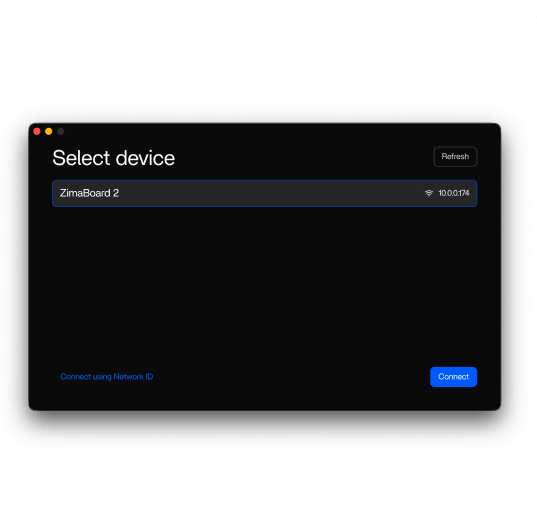
For users who want a clean starting point, a ZimaBoard 2 personal server fits lightweight storage, backup, Docker, and self-hosted apps. For larger storage, media libraries, private cloud, and local AI workflows, a ZimaCube 2 AI NAS is a better fit than gambling on an unsupported used box.
Used NAS Buying Checklist
Use this checklist before money changes hands, after the unit arrives, and before important data is stored.
| Before Buying | Pass Condition |
| Exact model | Still supported and suitable for the workload |
| Firmware | Current or still receiving updates |
| Factory reset | Seller can reset and show new setup access |
| Serial number | Visible and verifiable where possible |
| Drive trays | All trays, screws, and caddies included |
| PSU and fan | No grinding noise, overheating, or random shutdowns |
| Network ports | All ports detected and stable |
| If Drives Are Included | Pass Condition |
| SMART long test | Passed before storing data |
| Power-on hours | Price reflects actual use |
| Reallocated sectors | Zero is ideal; rising values are a warning |
| Pending sectors | Should be zero |
| Offline uncorrectable | Should be zero |
| Warranty | Checked by serial number if possible |
| Old pool | Wiped and recreated from scratch |
| Before Storing Data | Why |
| Factory reset | Removes old accounts and configuration |
| Firmware update | Closes known vulnerabilities if support exists |
| Drive wipe | Starts with a clean baseline |
| Burn-in or long test | Catches early drive problems |
| Fresh storage pool | Avoids inherited RAID or filesystem risk |
| Backup plan | Prevents the NAS from becoming the only copy |
| No direct public exposure | Especially important for older firmware |
Final Takeaway
A used NAS is worth buying when the enclosure is supported, resettable, complete, and cheap enough to leave budget for safe drives and backup. It becomes a hidden storage risk when old drives, expired firmware, missing warranty, or repair costs are treated as someone else’s problem instead of part of the real price.
Buy the used box only if you can verify the hardware, reset the software, replace or test the drives, and keep another copy of the data. If you cannot do those things, the discount is not savings. It is storage risk.
FAQ
Is it safe to buy a used NAS?
Yes, if it can be reset, still receives firmware support, has complete hardware, and will not become the only place important data exists. The safer approach is to buy the used enclosure and use new or fully tested drives.
Should I buy a used NAS with drives?
Only if SMART data, power-on hours, long test results, and warranty status are verified. Otherwise, value the included drives as temporary or low-risk storage, not as trusted primary disks.
What is the biggest risk of a used NAS?
The two biggest risks are used drives and unsupported firmware. Drives may have unknown wear, and old firmware may no longer receive security updates for an always-on network device.
Can an old NAS still be used for backup?
Yes, but it is safer as a secondary backup target, isolated archive, or non-critical storage. It should not be the only backup for important files.
Is a used NAS better than a new personal server?
A used NAS can be better for cheap file storage or lab use. A new personal server is usually better for long support, Docker apps, media workflows, remote access, local AI, and important data.
What should I do after buying a used NAS?
Factory reset it, update firmware, wipe old drives, run SMART long tests, create a fresh storage pool, set up backups, and avoid exposing unsupported firmware directly to the internet.

Recommended products

Support & Tips
More to Read
NAS Share Shows Old Files After Storage Replacement: Checks and Fixes
Compare local storage with the active share and a clean client. Repair only the layer proven stale, then verify the result survives reconnect and...
Mini PC Cooling Maintenance Guide for Fans, Vents, and Thermal Baselines
Use repeatable idle and load readings. Clean external airflow first, confirm fan behavior, and open the chassis only when evidence survives a controlled retest.
Home Server Firmware Update Checklist for BIOS, Boot Order, and Devices
Capture versions, UEFI entries, storage and passthrough state first. Update one layer at a time and keep console plus rollback access until validation passes.


