
Can 2.5GbE Handle Several Simultaneous 4K Direct-Play Streams?


Yes, 2.5GbE can usually carry several 4K direct-play streams when their combined peak bitrate stays below the slowest sustained path.
Direct play avoids video encoding, but it does not remove network, storage, container, switch, or client limits. A home media server must read every source fast enough, send all sessions through the actual negotiated links, and survive bitrate bursts without exhausting player buffers. The useful answer is therefore not a fixed stream count; it is a measured concurrency limit based on representative files and the weakest device in the complete path.
Confirm That Every Test Session Is Really Direct Playing
Start one representative 4K title on each intended client and inspect the media-server dashboard. Record whether video, audio, and subtitles use Direct Play, Direct Stream, or Transcode, along with the stated reason and current bitrate.
A session that appears to be “4K streaming” may still convert audio, remux the container, or burn subtitles into video. A Jellyfin Android TV report shows how changing the client bitrate setting altered whether a large file was direct streamed or transcoded.
Do not count a session as a direct-play network test if the server is encoding video. First choose compatible audio and subtitles, set the client to original quality, and confirm that the dashboard remains on the intended path after seeking and resuming.
Measure Peak Bitrate Instead of Using File Size Alone
Record each file’s duration, average bitrate, and observed playback peaks. File size divided by runtime gives an average, but action scenes, lossless audio, and high-detail sequences can temporarily demand much more bandwidth.
High-bitrate 4K titles can create bursts above 100 Mbps even when the average is lower. A Plex community troubleshooting guide highlights that 4K bitrate bursts can exceed 100 Mbps, which is why a television’s 100 Mbps Ethernet port can fail before a 2.5GbE server link is busy.
Build the test set from the highest-bitrate files people actually watch, not one compressed demo clip. Run each title through its densest scene and record sustained network use long enough to drain or refill the client buffer.
Add the Streams Together With Deliberate Headroom
Calculate an initial demand estimate by summing the measured peak or high-percentile bitrate of every simultaneous stream. Add audio, protocol overhead, library browsing, subtitle delivery, and other traffic sharing the same server interface.
A 2.5GbE link advertises 2,500 Mbps, but the application should not be designed to sit continuously at that number. Reserve headroom for Ethernet and TCP overhead, bitrate variation, retransmissions, storage jitter, and another user starting playback during an existing peak.
For example, ten sessions peaking near 100 Mbps represent roughly 1,000 Mbps before overhead and other traffic. That aggregate is below a healthy 2.5GbE server link, but any individual client limited to 100 Mbps can still buffer on the same source.
| Measured peak per stream | Four streams | Eight streams | What to verify next |
|---|---|---|---|
| 50 Mbps | 200 Mbps | 400 Mbps | Client links and storage latency |
| 100 Mbps | 400 Mbps | 800 Mbps | 100 Mbps TV ports and Wi-Fi stability |
| 150 Mbps | 600 Mbps | 1,200 Mbps | Switch uplinks, disks, and sustained headroom |
These figures are planning examples, not guaranteed stream counts. Replace them with actual peaks from the library and stop increasing concurrency when buffering, retransmissions, storage wait, or link saturation begins.

Verify Every Negotiated Link Between Server and Clients
Check the media server, switch ports, uplinks, access points, client adapters, and television interfaces. The server may negotiate at 2.5GbE while a switch uplink runs at 1GbE or a TV Ethernet port tops out at 100 Mbps.
Client limitations frequently dominate 4K playback. One Plex troubleshooting case found high-bitrate 4K playback constrained by the client network path rather than the server’s ability to read the file.
Read negotiated rates and error counters instead of relying on port labels. The ZimaSpace guide to a 2.5GbE port negotiating at 1GbE is the next check when the server interface never reaches its expected link mode.
Test Whether Storage Can Feed the Aggregate Reads
Run the same simultaneous playback test while monitoring disk throughput, queue depth, latency, cache behavior, and filesystem errors. Direct play is mostly sequential, but several files on different disk regions can create competing reads.
Storage usually has ample sequential bandwidth for a few streams, yet a degraded array, busy scrub, SMR drive, remote mount, or concurrent thumbnail job can introduce latency that the network graph does not reveal. The symptom is buffering while the 2.5GbE link remains far below saturation.
Repeat the test with media copied to a known-fast local SSD. If playback stabilizes without changing clients or network paths, investigate the library storage, mount, or array workload rather than upgrading Ethernet again.
Separate Server Capacity From Client-Specific Failures
When one television buffers but laptops and streaming boxes remain stable, keep the healthy sessions running and replace only the failing client with another wired device. This reveals whether the server’s aggregate path is full or one endpoint cannot sustain its stream.
A 120 Mbps direct-play file can fail on one player even across a gigabit LAN because codec and client behavior remain part of the path. A Jellyfin case documents a high-bitrate client playback failure despite local storage and gigabit networking.
Record failures per device, file, audio track, subtitle track, and connection type. Do not reduce the server-wide quality or declare 2.5GbE insufficient when the same aggregate workload succeeds after one limited client is replaced.
Find the Real Concurrency Limit With a Staged Load Test
Start with one high-bitrate title, then add sessions one at a time at different timestamps so their peaks overlap unpredictably. Monitor server transmit rate, switch utilization, retransmissions, storage latency, CPU use, and client buffer events.
Repeat the test after a server reboot and during one normal background task such as a library scan. The ZimaSpace home media server validation path explains why playback should be tested across more than one real client before a setup is considered finished.
2.5GbE is sufficient when the intended number of direct-play sessions survives peak scenes with stable buffers and useful headroom. Upgrade or split traffic only when the server link is the measured bottleneck after client ports, switch uplinks, storage, and accidental transcoding have been excluded.

Recommended products

Support & Tips
More to Read
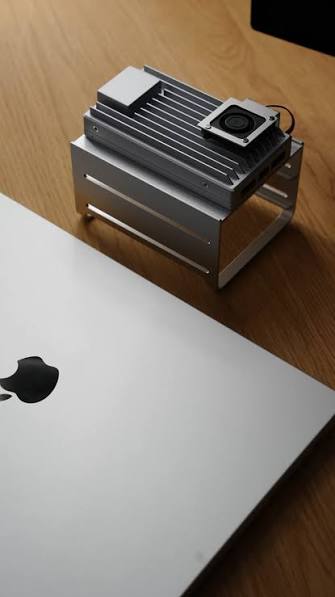
Live TV Recording Storage Guide for Capacity, Retention, and Cleanup
Measure real recordings, reserve headroom, combine age and capacity limits, and prove the oldest eligible program is removed before storage fills.
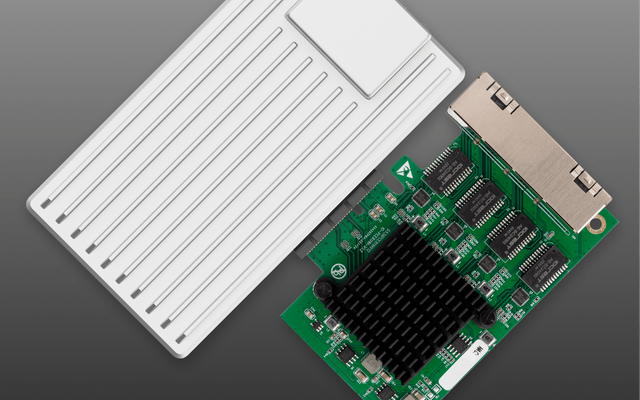
Home Media Metadata Recovery Workflow After a Database Restore
Protect the restored state, verify media identity and paths, then repair missing artwork or matches in a pilot library before broad metadata changes.
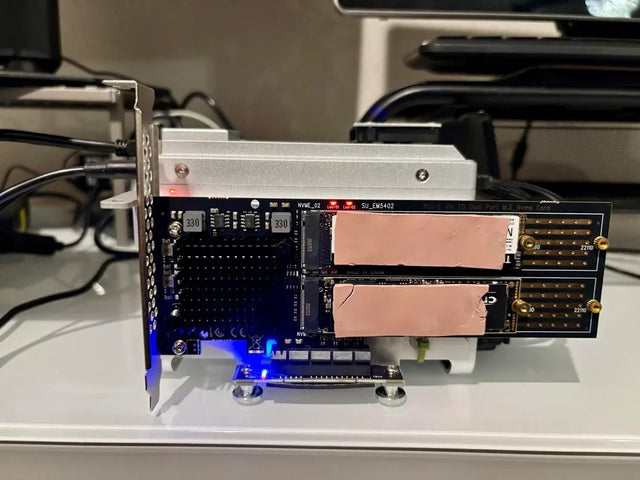
Jellyfin Client Compatibility Checklist for Audio, Video, and Subtitles
Test representative files one variable at a time and record Direct Play, remux, audio conversion, video transcode, or failure for every client.


