
Can Jellyfin Replace Plex for Multi-User Home Streaming?


Jellyfin can replace Plex for multi-user home streaming when the household’s clients, remote path, and support tolerance fit its control model; it is not an automatic one-for-one swap.
Run a replacement gate before migrating libraries. The decision depends on the devices other people use, who manages remote access, which streams transcode, and whether you can support a different login and troubleshooting workflow.
Gate 1: Verify every essential client
Test the primary televisions, phones, browsers, and remote households with the same codec, subtitle, audio, and HDR mix. A service that works on the owner’s browser but fails on a family TV has not passed the replacement gate. Record Direct Play, remux, and transcode behavior for each client.
Axis: User friction and remote reachability
Jellyfin is the stronger choice when local control, privacy, and an open stack are hard requirements and the operator can own DNS, VPN, or reverse-proxy work. Plex remains stronger when broad client onboarding and low-friction sharing are the priority. An independent household comparison also notes that both services can work side by side when users have different needs (side-by-side migration case).
Axis: Transcoding and state migration
Compare the hardest real stream, not an idle dashboard. HDR conversion, subtitle burn-in, or an incompatible client can make either service depend on the same compute and GPU path. Preserve media separately from application state, and plan how watched status, users, permissions, and metadata will move or be rebuilt.

Use a third option when the binary is false
Run both services against isolated application state when a subset of users needs Plex’s clients and another group values Jellyfin’s control. Share only the media role after testing permissions and concurrent reads. Choose neither as a replacement if the network, hardware, or backup path fails under the household workload.
Conditional verdict
Replace Plex with Jellyfin when all essential clients pass, remote access is manageable, and the migration and recovery tests are complete. Keep Plex when one required client or user workflow fails. Use both when the trade-off is user-specific and the topology can isolate failure.

Recommended products

Product Comparisons
More to Read
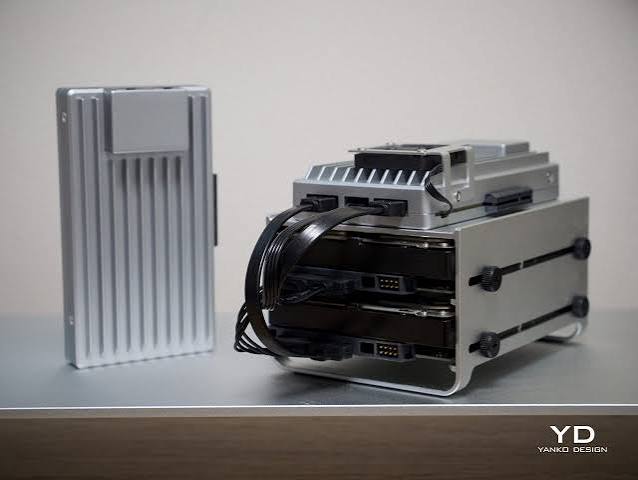
ZFS vs Btrfs vs ext4 for a Jellyfin Media Volume: Which Fits Better?
Choose a Jellyfin media filesystem by recovery model: ZFS for pool integrity, Btrfs for Linux-native CoW, or ext4 for lower operational complexity.
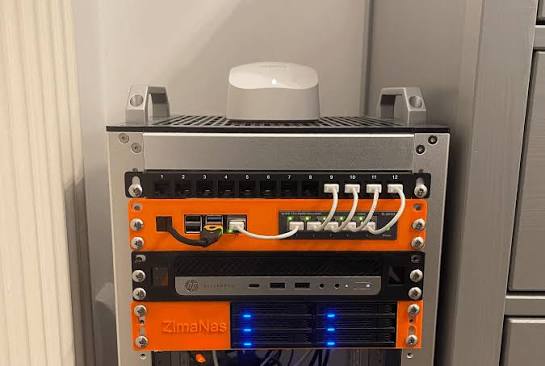
Built-In Jellyfin Backups vs File-Level Backups: Which Should You Use?
Use built-in Jellyfin backups for convenient app-state recovery; use stopped file-level backups when recovery must include wider host and deployment state.

Jellyfin With Kodi vs Standalone Jellyfin Clients: Which Fits Better?
Choose Kodi for a customizable TV-first workflow with more client state; choose standalone Jellyfin clients for simpler multi-device, server-driven use.


