
Self-Hosting Jellyfin vs Using a Managed Service: Which Costs Less to Own?


Self-hosted Jellyfin concentrates cost in hardware, electricity, bandwidth, backups, and your time; a managed service converts more of that work into recurring rent and provider limits.
Compare total ownership over the period you expect to keep the library. A monthly price alone hides storage growth, data egress, migration effort, support, downtime, and the value of controlling the recovery path.
Define the same service before comparing price
Use the same library size, concurrent streams, retention, remote users, backup frequency, uptime expectation, and privacy boundary. A managed plan that excludes bulk storage or egress is not equivalent to a self-hosted server with local media and an independent backup.
Axis: Capital cost versus recurring rent
Self-hosting starts with a compute host, drives, networking, UPS, and backup destination. Managed hosting starts with a monthly service, then adds storage or bandwidth as the library grows. A five-year cost model is useful only when it includes both the hardware replacement cycle and the provider’s usage limits.
Axis: Maintenance time and failure responsibility
Self-hosting gives you control but makes updates, monitoring, drive replacement, network reachability, and restore tests your responsibility. Managed service reduces routine operations and may include backups, monitoring, and support, but you inherit its incident process, region, limits, and migration format. The service is not cheaper if the included backup is too small to restore the real library.

Axis: Privacy, portability, and exit cost
Self-hosting keeps the application and media path under your control when the network and security are managed well. Managed hosting may be easier to reach remotely but can make migration slower if the provider controls the filesystem, image, or egress. Price the cost of leaving before accepting a low introductory rate.
Conditional verdict and the hybrid option
Choose self-hosting when the library is large, hardware already exists, local control matters, and you can maintain backups. Choose managed hosting when predictable operations and support matter more than monthly cost and the provider’s storage, egress, and recovery terms pass inspection. Choose a hybrid when Jellyfin compute is managed but irreplaceable media and backups remain under your control. The lower-cost option is the one that passes the complete ownership and recovery test, not the one with the lower first invoice.

Recommended products

Product Comparisons
More to Read
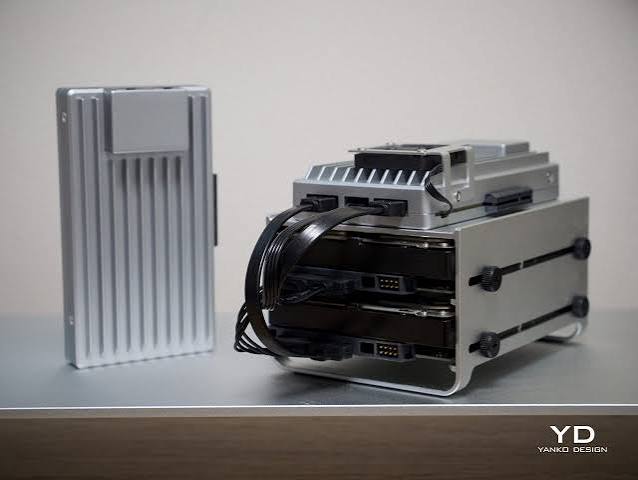
ZFS vs Btrfs vs ext4 for a Jellyfin Media Volume: Which Fits Better?
Choose a Jellyfin media filesystem by recovery model: ZFS for pool integrity, Btrfs for Linux-native CoW, or ext4 for lower operational complexity.
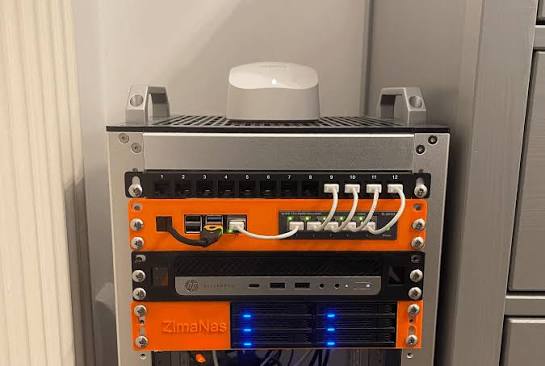
Built-In Jellyfin Backups vs File-Level Backups: Which Should You Use?
Use built-in Jellyfin backups for convenient app-state recovery; use stopped file-level backups when recovery must include wider host and deployment state.
Jellyfin With Kodi vs Standalone Jellyfin Clients: Which Fits Better?
Choose Kodi for a customizable TV-first workflow with more client state; choose standalone Jellyfin clients for simpler multi-device, server-driven use.


