
How to Set Up Plex for Remote 4K Streaming


A reliable remote 4K Plex setup starts with Direct Play compatibility, a stable media path, enough upload headroom, and a verified fallback transcode route.
Build the topology from the remote client back to the server: identify the files and tracks each client can accept, place Plex state and media on persistent storage, wire the server path, configure remote reachability, and test the hardest real session before adding more users. The goal is a repeatable delivery path, not a generic 4K hardware target.
Define the Remote 4K Playback Path Before Installing Anything
Remote 4K can mean very different server work. A compatible client may Direct Play the original file, while another endpoint may need a container change, audio conversion, bitrate reduction, subtitle burn-in, or full video transcode. The setup should therefore start with representative files and actual remote clients rather than a resolution label.
A remote client can remain on the lighter path when its remote quality and Direct Play settings match the source and available bandwidth. Record video codec, audio track, subtitle type, source bitrate, and expected playback mode for each important client.
Use that table as the service contract. If the household can Direct Play its hardest files, compute remains secondary to delivery. If one required client consistently forces conversion, that exact case becomes the transcode requirement instead of a guessed number of 4K streams.
Place Plex State, Media, and Scratch on Persistent Roles
Plex state must survive updates and reboots, media paths must remain stable, and transcode scratch must have enough temporary capacity without being mistaken for authoritative data. A containerized setup should map those roles explicitly so replacing the image does not create a fresh-looking server or a missing library.
Keep persistent application volumes outside the disposable application layer while bulk media remains on a capacity tier. That gives Plex state a stable small-file path without requiring an all-SSD movie library.
Mount the media under the same paths after every reboot and verify read permissions before exposing the service remotely. If the data roles are not stable locally, remote-access tuning only adds another layer to an unresolved storage problem.
Wire the Shared Server Path and Measure the Upload Budget
The Plex host should use a stable wired path whenever practical because it carries the aggregate of all sessions. The local server link, switch path, router, and ISP upload all sit upstream of the remote client; the smallest sustained segment or congested shared link can become the limit even when server CPU is idle.
Remote 4K requires bandwidth and transcoding to be planned together. Measure usable upload during a realistically busy period, then compare it with the peak rates and concurrent sessions you actually intend to serve.
Leave headroom for ordinary household traffic and bitrate bursts. If original-quality sessions do not fit the upload budget, decide whether to lower remote quality, keep alternate versions, or transcode; faster local storage cannot make an ISP uplink carry more data.

Make Remote Reachability a Deliberate Network Boundary
A remote server needs a predictable route from the public internet to the Plex service or an alternative private-access path. Port forwarding is simple when the household has a usable public address, but CGNAT, double NAT, dynamic addresses, and restrictive routers can change which method is viable.
A private overlay can avoid exposing an inbound port when remote access is built through a VPN path that every intended client can actually use. That changes onboarding and device compatibility, so choose it as a topology decision rather than an emergency workaround.
Test remote access from outside the home network, not over Wi-Fi on the same LAN. Record the public-address condition, router rule or tunnel dependency, server address, and client setup so a router replacement does not turn a known design into an undocumented failure.
Verify the Hardware-Transcode Fallback With the Hardest Client
Even a Direct-Play-first design needs a fallback plan for a client that cannot accept the source or a connection that cannot carry the original bitrate. Test the actual HEVC, HDR, audio, and subtitle combination that is most likely to trigger conversion and confirm that playback remains ahead of real time.
Verify the Quick Sync and NVENC transcode path on the target platform instead of inferring capability from a processor name alone. Decode, transform, and encode support can fail at different stages.
If a forced transcode fails, change the client or media path before upgrading the whole server. The existing remote 4K hardware sizing path is the next step only after the setup proves that conversion is genuinely required.
Run the Remote 4K Performance Test
Run a remote 4K acceptance test from outside the home network with normal background activity present. Seek through difficult scenes, toggle representative subtitles, and watch playback mode, transcode speed, storage, upload, and client behavior together.
Start with one client, then add the maximum credible overlap. A passing result must remain stable through bitrate peaks and any required conversion; a successful first frame is not enough.
If the session fails, identify the first new boundary—upload, client compatibility, transform, transcode speed, or shared storage—before changing hardware or lowering quality.
Reboot and Prove the Recovery Path
Restart the host or stack and confirm that Plex state, media mounts, network identity, and remote reachability return without manual repair. This second test validates the architecture rather than only its peak performance.
When the remote path fails while LAN playback remains healthy, the remote 4K tuning workflow isolates client, upload, transcode, and network causes without rebuilding a storage layout that already passes locally.
Mark the setup complete only when both the remote workload and the reboot recovery path pass. A fast stream that depends on a manual mount, temporary tunnel, or changing server address is not yet a reliable setup.

Recommended products

NAS & Server Setup
More to Read
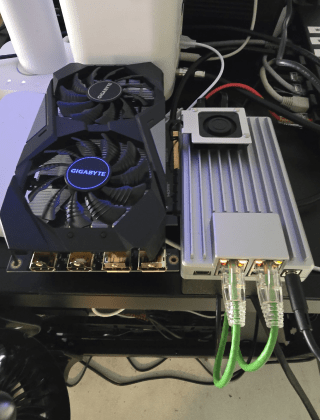
Can a Dorm Server Run Quietly Enough for Sleep, Study, and Video Calls?
Yes—a dorm server can stay unobtrusive when hardware is low-power, storage vibration is controlled, heavy jobs are scheduled, and noise is tested in the...
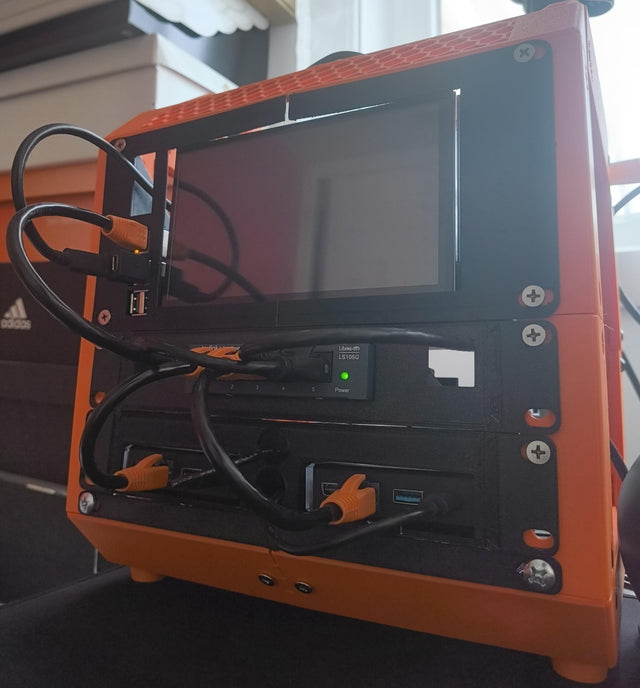
A Student Homelab That Can Move From Dorm Room to First Apartment
Keep a student homelab portable by separating services from room-specific networking, minimizing hardware, backing up state, and rehearsing a clean move.
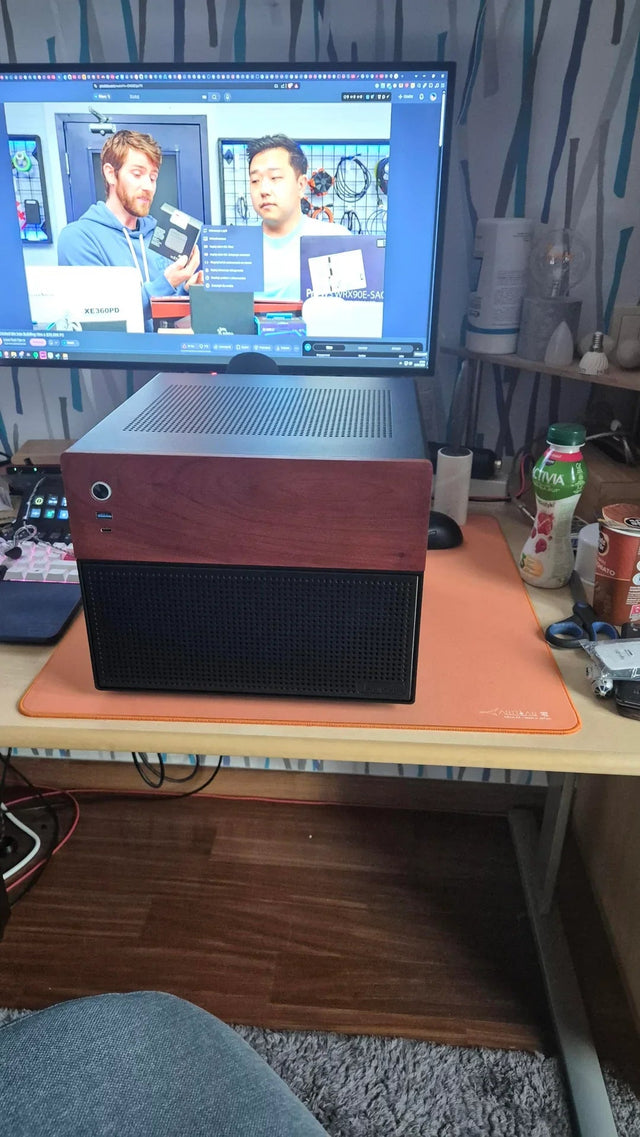
How to Share One Home Server With Roommates Without Sharing Accounts or Private Files
Give every roommate a named identity, private storage, and only the shared roles they need; keep administration, backups, and offboarding separate.


