
How to Separate Client Work, Personal Photos, and Long-Term Archive on One Server


Client work, personal photos, and long-term archives can share one server only when they remain separate trust, workflow, and recovery zones.
The storage pool can be common underneath, but the datasets should not inherit the same users, write permissions, applications, retention periods, or delivery paths. A collaborator who needs one client job should not see family photos, and a convenient gallery app should not gain authority over the permanent archive or its backups.
Start With Three Trust and Retention Zones
One server can hold client work, personal photos, and a long-term archive, but those datasets should not share the same default permissions or lifecycle. Client projects have contractual and delivery boundaries, personal photos have household privacy expectations, and the archive is primarily a preservation system that should change rarely.
TechTarget’s role-based access-control model assigns permissions according to roles rather than giving every user the same access. That role-based access boundary is a useful foundation for keeping professional, personal, and archival areas distinct on one machine.
Create separate datasets or top-level shares before installing photo applications. The storage pool may be shared physically, but ownership, writable users, snapshots, retention, and backup policy should be defined per zone.
Client Work Needs a Project Lifecycle and Limited Collaborator Access
Client work moves through ingest, culling, editing, approval, delivery, and archive. Only active collaborators should reach the current project, and clients should see proofs or finals through a bounded delivery path rather than the entire job folder or NAS.
The StudioHero’s 2026 workflow guide separates proofs, selections, revisions, approved finals, and delivery into controlled stages. That client-stage separation supports keeping the production dataset distinct from what the client is allowed to view.
Give remote editors or assistants named accounts and project-specific permissions. Store contracts, invoices, and identity documents outside media shares unless they are deliberately part of the job record. Archive the project only after deliverables and recovery copies are verified.
Personal Photos Should Be Private by Default
Personal camera and phone images may include family events, private documents, screenshots, health information, or locations that have nothing to do with client work. They should enter a personal area under the owner’s account and become shared only through deliberate albums or family folders.
WIRED’s secure NAS sharing guide recommends separate accounts and controlled shared folders rather than one unrestricted login. That private-by-default account model keeps business collaborators from inheriting access to a photographer’s personal library.
| Zone | Typical writers | Typical readers | Default lifecycle |
|---|---|---|---|
| Active client work | Photographer and assigned collaborators | Project team | Frequent change until delivery |
| Personal photos | Owner or family member | Owner by default; selected family shares | Continuous intake and curation |
| Long-term archive | Archive service and trusted administrator | Mostly read-only users | Stable, validated, infrequent change |
| Delivery area | Export or gallery workflow | Specific client | Temporary or policy-limited |
Do not point a broad indexing or collaboration app at every server path. Enroll only the datasets the application needs, and use separate service identities where possible.

The Long-Term Archive Should Be Stable and Mostly Read-Only
The archive is where delivered client jobs, completed personal collections, and preserved originals can live after their working phase ends. That does not mean mixing them into one flat folder. It means moving each category into a stable, well-described hierarchy with stronger deletion controls and predictable backup.
dpBestflow defines archive files as items in a permanent home that are safely backed up and expected to change rarely. That stable archive lifecycle makes the archive operationally different from both active client jobs and ongoing phone intake.
Use read-mostly permissions for ordinary users and avoid exposing archive roots to sync clients that can propagate deletions. Corrections should be deliberate, logged where practical, and protected by versions or snapshots.
Keep Delivery and Collaboration Outside the Archive Root
A client gallery, download share, or editor handoff should expose copies or bounded project folders rather than the permanent archive tree. This lowers the impact of an expired link, compromised collaborator account, mistaken rename, or client-side deletion.
SendPhoto’s 2026 organization guide recommends treating culling, naming, backup, and client delivery as separate stages rather than one shared folder. That delivery-as-a-separate-stage supports a dedicated delivery boundary on the server.
Generate deliverables into a separate path, publish them, and expire or remove access according to the project policy. The archive retains the approved finals and originals without remaining publicly reachable.
Apply Different Backup and Retention Rules to Each Zone
Client originals may require a defined business retention period, personal photos may be retained indefinitely, and temporary delivery exports may expire quickly. Backing up every cache and proof forever wastes capacity, while applying a short client-delivery policy to family originals would be destructive.
Digital Photography School advocates multiple protected copies and off-site storage because different failures can affect working disks and archives. That independent-copy protection applies differently to each zone according to its recovery value.
Write backup scope next to retention scope. Client RAWs, personal originals, catalogs, and the long-term archive deserve strong protection; generated previews, caches, and expired delivery folders may be reproducible or disposable.
The Server Is Well Separated When One Account Cannot Cross All Three Zones
Test the design from ordinary accounts. A client collaborator should not discover personal photos. A family account should not see confidential client jobs. A daily photo application should not have the credentials to delete the entire long-term archive or every recovery copy.
Pics.io’s 2026 team-photo organization guide describes the problems created when shared work assets, originals, and versions accumulate without clear structure and roles. That shared-photo governance problem reinforces the need for clear dataset boundaries before the library becomes large.
The ZimaSpace central photography storage workflow provides the performance context. A ZimaBoard 2 Mini Home Server fits a compact compute-first photography workflow with deliberate attached storage. A ZimaCube 2 AI NAS is the clearer base when multi-drive capacity, long retention, shared access, and storage-first recovery define the archive. One server is sufficient when separate users, applications, and backup policies preserve the three trust zones even though the disks underneath are shared.
Document the boundaries in the server map rather than relying on memory. As new editors, family members, or apps are added, they should be assigned to an existing zone or justify a new one instead of receiving broad access because the server already has free capacity.
Add a simple access matrix to the server runbook and review it whenever a new collaborator, family member, or application is introduced. The matrix should list who can read, write, delete, share, administer, and restore each zone. It should also show which service accounts can cross boundaries for backup or indexing. That review is especially important because convenience tends to widen permissions over time: a temporary editor account becomes permanent, a gallery app gains access to the archive root, or a family share starts receiving client exports. A quarterly permissions check keeps the original separation intact. Test denied actions as well as allowed ones, because the design is only successful when the wrong account cannot cross from one trust zone into another.
During restore tests, verify that those boundaries survive as well. A technically complete restore that brings back files but broadens permissions is still a failed recovery. Test one client account, one personal account, one administrator, and one service identity against the restored server before declaring the system ready.

Recommended products

NAS & Server Setup
More to Read
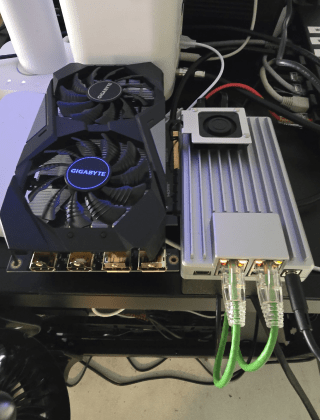
Can a Dorm Server Run Quietly Enough for Sleep, Study, and Video Calls?
Yes—a dorm server can stay unobtrusive when hardware is low-power, storage vibration is controlled, heavy jobs are scheduled, and noise is tested in the...
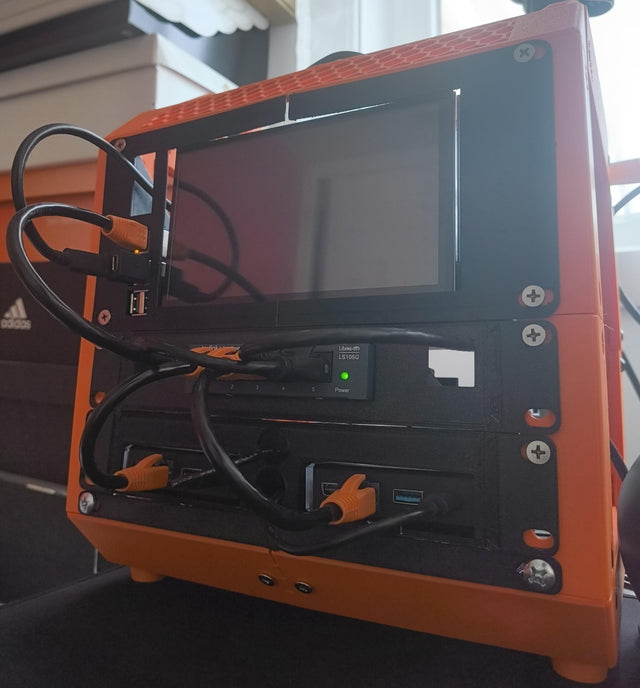
A Student Homelab That Can Move From Dorm Room to First Apartment
Keep a student homelab portable by separating services from room-specific networking, minimizing hardware, backing up state, and rehearsing a clean move.
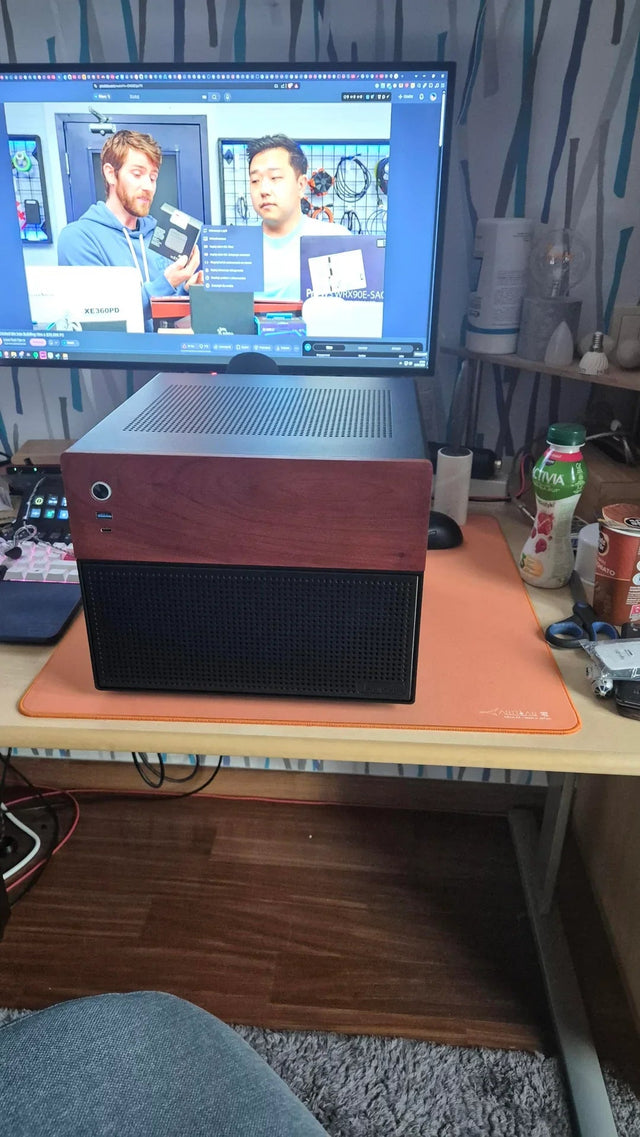
How to Share One Home Server With Roommates Without Sharing Accounts or Private Files
Give every roommate a named identity, private storage, and only the shared roles they need; keep administration, backups, and offboarding separate.


