
How to Set a Safe Concurrency Budget for One Plex Host


A Plex host should support the number of users and background jobs that fit inside a measured concurrency budget, not a universal stream count.
Direct Play, hardware transcodes, software transcodes, scans, backups, and companion containers stress different resources. Build the budget from the combinations that actually overlap at home, then stop adding work when one resource repeatedly reaches a user-visible failure threshold.
Separate Session Types Before Counting Users
One Direct Play user and one 4K software-transcode user are not equal units of server demand. Client compatibility and subtitle behavior can move the same media from a light network-and-storage path to a heavy compute path.
An N100 sustained multiple simultaneous hardware transcodes with relatively modest CPU load in a specific tested setup, so the result should not be treated as a general user limit.
Classify the busiest expected sessions as Direct Play, hardware transcode, or software transcode. Count users only after you know which resource path their sessions actually consume.
Add Background Jobs to the Same Peak Test
Library scans, downloads, backups, and other containers can turn a passing playback test into a contended host. A concurrency budget therefore needs both viewers and jobs.
Homelab resource controls exist because one container can otherwise consume the available CPU, memory, or block I/O while other services are still expected to remain responsive.
Run the expected viewer mix while one normal background task is active, then repeat with that task paused. The difference shows whether scheduling or isolation is more valuable than simply adding CPU cores.
Reserve Headroom for Maintenance and Recovery
A host that barely survives its playback peak has no margin for updates, database maintenance, backups, or a temporary software-transcode fallback. That is an operational limit even before streams begin failing.
A resource-by-resource saturation check gives the budget a measurable stop condition: sustained queueing or errors on CPU, memory, storage, or network during the required overlap.
Define a pass condition for playback stability, task completion, and recovery time. Leave enough margin that one normal maintenance job does not immediately push the server past that boundary.

Split Roles When the Budget Stops Scaling Cleanly
Adding more users to one host is not always the best next step. If storage, backup, or a heavy companion service creates the recurring constraint, separating that role can be more effective than replacing the whole machine.
Your Plex hardware requirements should therefore include the stream mix, app-data path, network, and companion workload rather than a single “maximum users” number.
Keep one host while the combined test stays within the agreed envelope. Split compute or storage when the same measured bottleneck persists and both workloads need to run concurrently.

Recommended products

NAS & Server Setup
More to Read
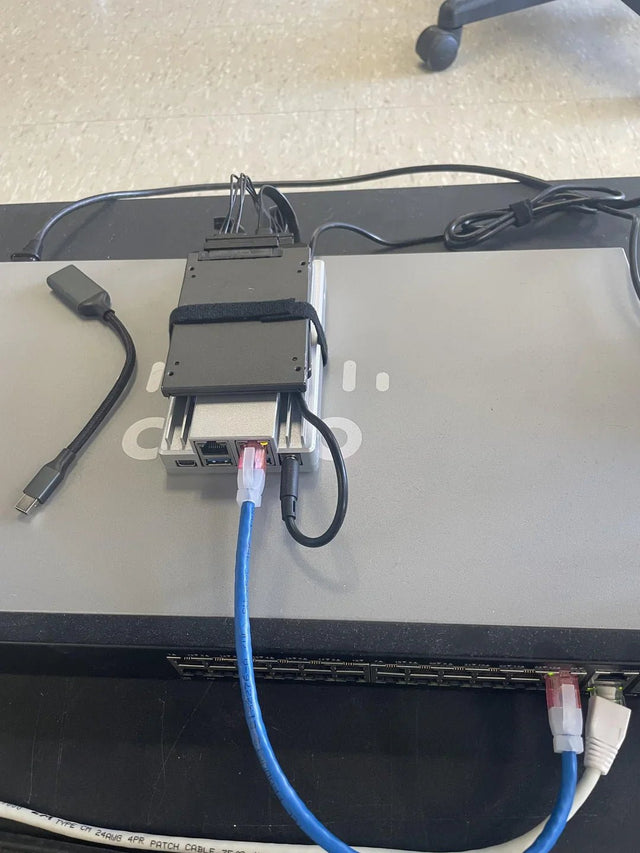
How AI-Like Analysis and Automation Change Jellyfin Storage and Compute Needs
Automation and adjacent AI analysis add scans, derived data, CPU/GPU work, cache, scratch space, and background scheduling beyond ordinary Jellyfin playback.
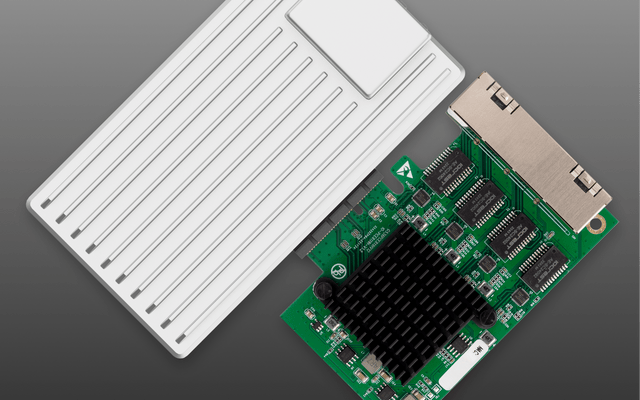
How to Integrate Jellyfin Into a Small Apartment or Rental Network
Build a rental-friendly Jellyfin network around stable local addressing, minimal wiring, quiet hardware, CGNAT-aware remote access, and reversible changes.
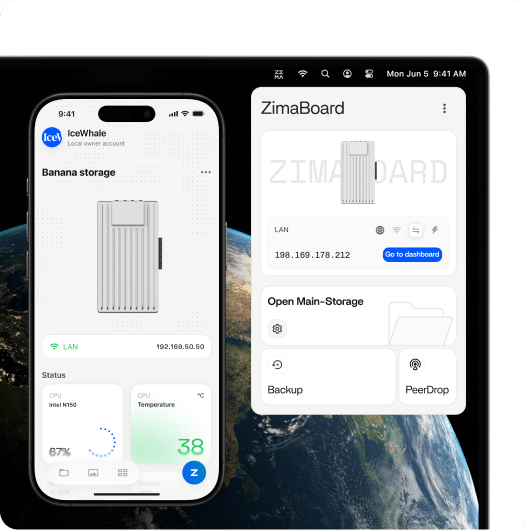
How Many Users and Background Jobs Should One Jellyfin Host Support?
Treat Jellyfin users and background jobs as one shared workload budget; capacity ends when playback latency, queues, or resource pressure becomes repeatable.


