
How to Build a Recoverable Plex Deployment With Containers


A recoverable containerized Plex deployment keeps runtime disposable while persistent state, media paths, identities, and backups remain explicit.
The design goal is a rebuildable service, not a container that survives forever. Put Plex state on a stable host path, keep media mounts predictable, document UID/GID and device access, and place at least one backup outside the live state device. Then prove the layout by rebuilding the runtime from scratch.
Separate Runtime From Plex State
The image and container definition should be replaceable without copying the database into a new ad-hoc location. Persistent state needs its own documented mount and backup policy.
Reliable Plex state migration depends on preserving server data and path continuity while the runtime changes.
Recreate the container with an empty runtime but the same state mount. If Plex does not return with the expected libraries and identity, persistence is not yet cleanly separated.
Standardize Mounts and Service Identity
Media and app-data paths should use stable host roots and predictable numeric ownership. Otherwise a host replacement can turn a working restore into a permission repair exercise.
Consistent UID and GID mapping keeps container access aligned with filesystem ownership across bind mounts.
Document every host path, container path, and required owner. Test a harmless create/rename/delete operation on the app-data mount with the Plex service identity.
Keep Backups Outside the Live State Device
A same-pool snapshot can be useful but does not protect against every storage failure. The recovery graph needs at least one copy that survives loss of the live app-data device.
Backup capacity and churn should be budgeted as an independent storage role rather than leftover space beside the live database.
Keep one recovery tier off the live state device and define its restore target. Verify that backup access does not depend on the same mount you are trying to recover. A recoverable container stack starts with a persistent app-data layout that can be attached to a clean runtime without rebuilding server state by hand.

Rebuild the Runtime as the Acceptance Test
The strongest proof is a clean container created from the documented configuration, attached to copied state, and validated without hidden host tweaks.
Recovery is proven when restore test confirms that state, permissions, and service behavior survive replacement.
Perform the rebuild on a disposable host or isolated network. Record the time and every manual step, then simplify any step that depends on memory rather than configuration.

Recommended products

NAS & Server Setup
More to Read
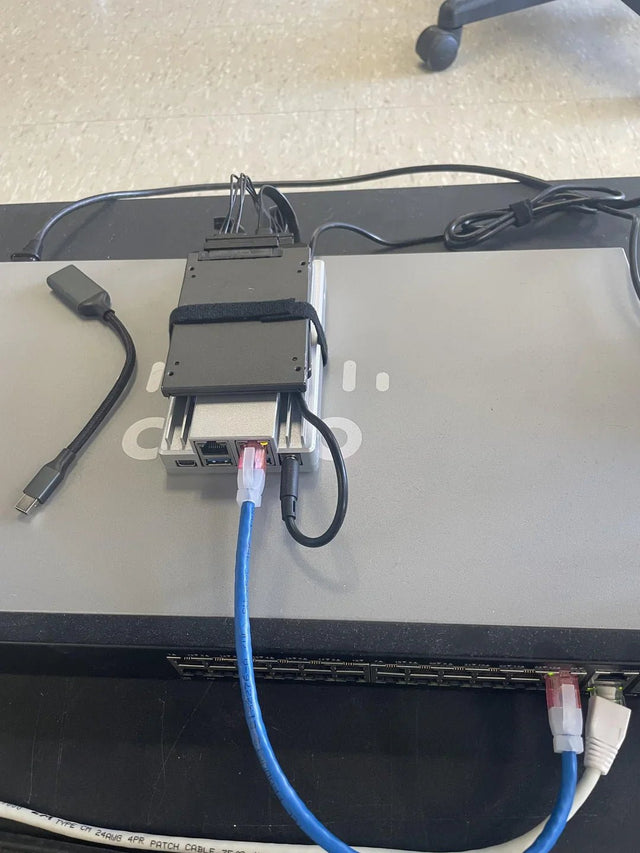
How AI-Like Analysis and Automation Change Jellyfin Storage and Compute Needs
Automation and adjacent AI analysis add scans, derived data, CPU/GPU work, cache, scratch space, and background scheduling beyond ordinary Jellyfin playback.
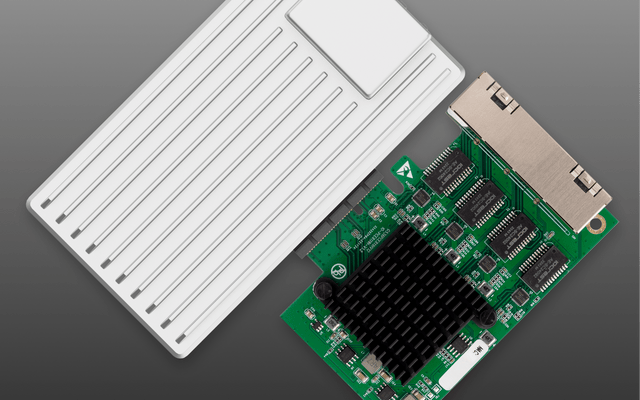
How to Integrate Jellyfin Into a Small Apartment or Rental Network
Build a rental-friendly Jellyfin network around stable local addressing, minimal wiring, quiet hardware, CGNAT-aware remote access, and reversible changes.
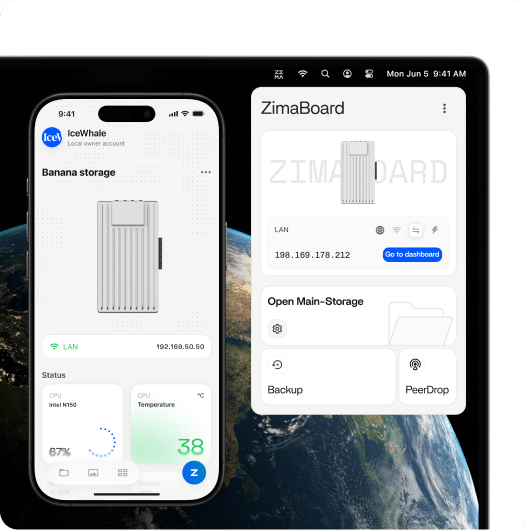
How Many Users and Background Jobs Should One Jellyfin Host Support?
Treat Jellyfin users and background jobs as one shared workload budget; capacity ends when playback latency, queues, or resource pressure becomes repeatable.


