
Local AI Server Checklist Before Buying a GPU


Buy a local AI GPU only after the target models, context size, VRAM fit, runtime support, power path, cooling, noise, and measured CPU baseline are known.
Define the Workload Before the GPU
Name the models, quantization, context length, concurrent users, image or audio features, and latency target. Inference, fine-tuning, image generation, and video workloads stress memory and compute differently.
Run the intended software on CPU or an available GPU first. Record tokens per second, time to first token, model load time, and system RAM use. A purchase needs a measured gap to close.
- Largest model and quantization you will run weekly.
- Maximum context and concurrent sessions.
- Required runtime and operating-system support.
- Acceptable response time, noise, and electricity cost.
Size VRAM for the Whole Working Set
Model weights are only the starting point. Context cache, runtime overhead, multimodal components, batching, and other GPU users also consume memory. Leave margin rather than planning at the exact advertised capacity.
Independent local-AI guidance emphasizes VRAM as a primary fit constraint because spilling layers to system memory can reduce interactive performance even when the GPU has strong compute.
Choose the smallest GPU that keeps the frequent workload inside memory with margin. Do not buy for a rare model if renting or slower CPU offload is acceptable for that edge case.
Check Software and Hardware Compatibility
| Check | What to verify | Stop signal |
|---|---|---|
| Runtime | Supported backend and precision | Community workaround is the only path |
| Slot | Length, height, width, lane wiring | Blocks required HBA or NIC |
| Power | PSU capacity and connectors | Adapters exceed safe design |
| Cooling | Fresh-air path and exhaust | Recirculation or sealed cabinet |
| Host | Resizable BAR/IOMMU if needed | Firmware cannot expose required feature |
Compatibility changes with the exact runtime and card generation. Verify the applications you will deploy, not only a generic framework support table.
A used accelerator may need nonstandard cooling or high fan speed. One modified V100 build reached extreme noise despite attractive inference value, showing why price per VRAM is not the whole server decision.

Budget Power, Heat, Storage, and Idle Cost
Measure wall power before the upgrade, then estimate idle and load energy at your actual weekly duty cycle. A card that idles high can cost more over time than its low purchase price suggests.
Provide enough airflow for the GPU, CPU, memory, and nearby storage at the same time. Test the intended room temperature and cabinet, not an open bench.
Keep model files and caches on fast local storage with retention. Do not let downloads or generated outputs fill the system volume that holds the runtime and logs.
Use a Buy, Wait, or Rent Gate
Buy when the common workload fits VRAM, the runtime is supported, the chassis and PSU pass, and measured use is frequent enough to justify ownership. Prefer a return window long enough to test the full server.
Wait when model requirements are still changing or the CPU baseline already meets the latency target. Rent occasional larger jobs rather than designing the home around the rare maximum.
Before deployment, use the home server OS guide to decide whether the AI runtime belongs on bare metal, a VM, or a container host. Do not let the GPU purchase decide the whole architecture by accident.
Frequently Asked Questions
Is VRAM more important than raw GPU speed for local AI?
Often, because a model and its context must fit before compute can be used efficiently. Compare the complete working set, then use speed to choose among cards that fit.
Can an old data-center GPU work in a home server?
Sometimes, but verify drivers, power connectors, cooling, display behavior, idle draw, and noise. Low purchase price can hide substantial integration cost.
Should I buy two smaller GPUs instead of one large card?
Only when the runtime can split the target workload efficiently and the host has enough lanes, power, airflow, and slot spacing. Combined VRAM is not always transparent to an application.
Final Takeaway
Buy only when every hard requirement passes in the real room and network; otherwise wait, narrow the design, or choose a simpler platform.

Recommended products

Buying Guide
More to Read
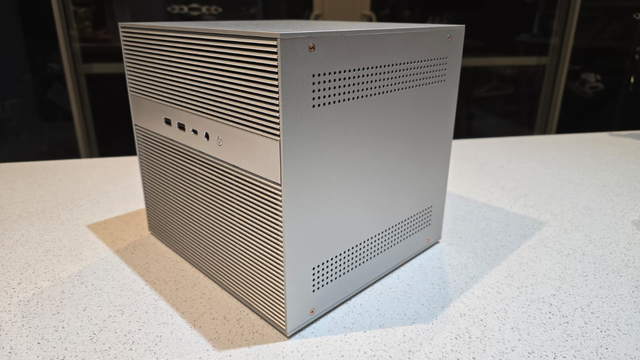
Container Server Storage Checklist Before One Large Pool
A storage design checklist that prevents one convenient container pool from becoming one shared capacity and recovery failure domain.
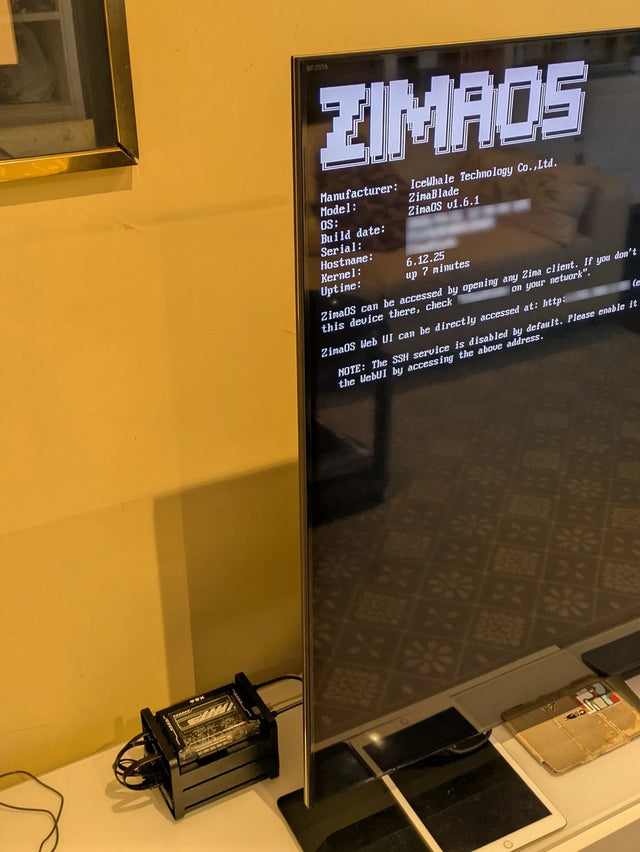
NAS Drive Mixing Checklist Before Combining Capacities
A pre-purchase and pre-deployment checklist for mixed NAS disks that prevents hidden capacity waste and unpredictable recovery behavior.
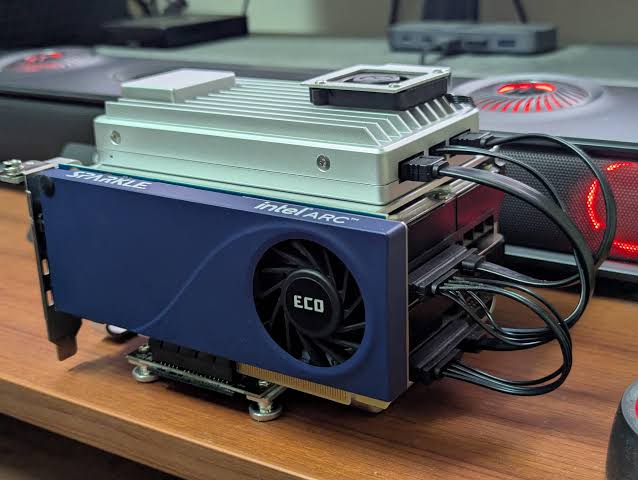
Used Server Buying Checklist for a Quiet Home Lab
A practical pre-purchase screen for used homelab hardware that prioritizes acoustics, energy, serviceability, and recoverable ownership.


