
ZimaBoard 2 vs ODROID-H4 Ultra: Compact Server or Four-Drive Build?
A build-oriented comparison between ZimaBoard 2 1664 and ODROID-H4 Ultra, separating the Ultra board's stronger CPU and four-drive ceiling from the practical cost of supplying a case, power, cooling, memory, and operating system.
Updated September 23, 2026
ZimaBoard 2 1664 vs ODROID-H4 Ultra: Verdict and Best Use Cases
Start with the direct answer, then use the scenario matrix to see which NAS fits each workload.
Compact integrated home server
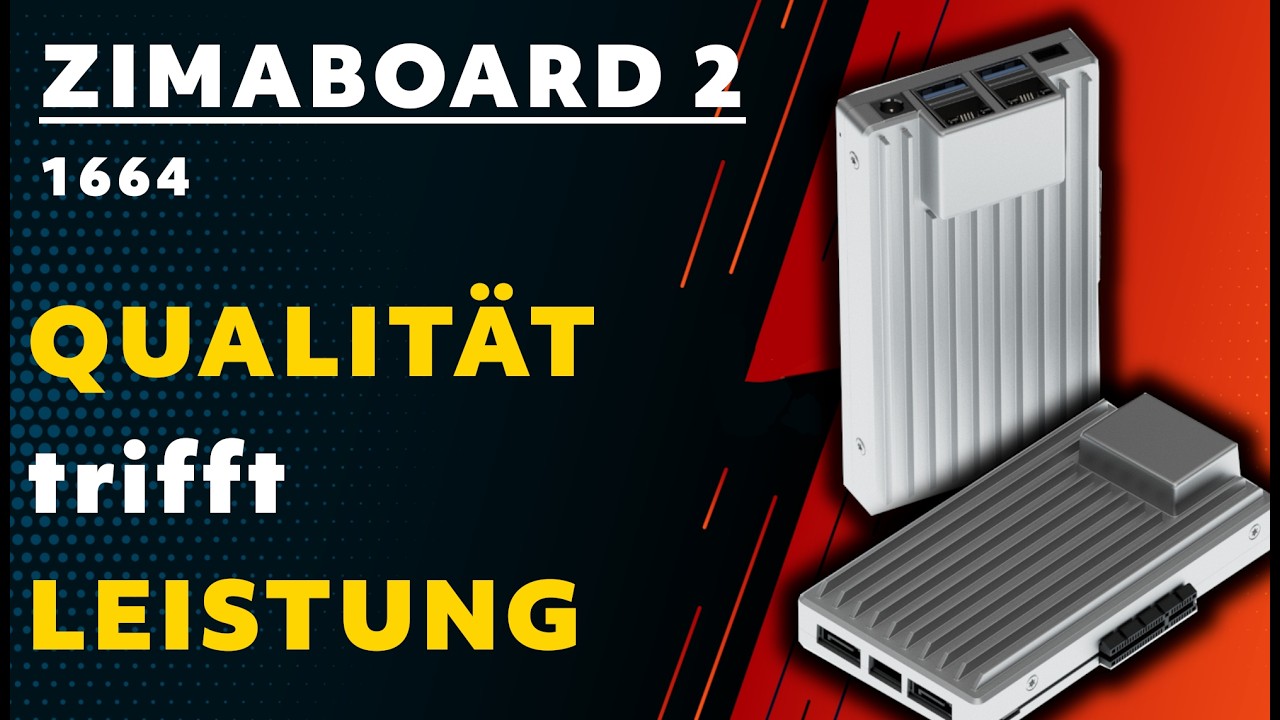
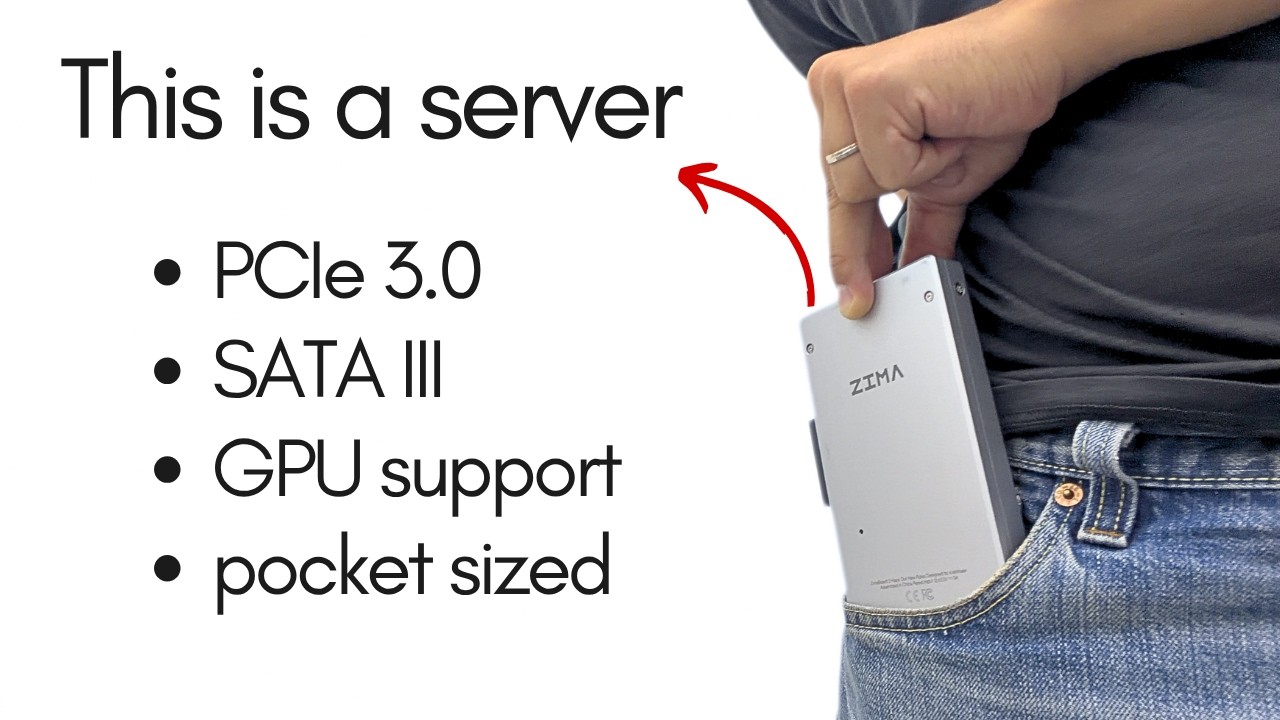
The ZimaBoard 2 product page combines Intel N150, four cores and four threads up to 3.6GHz, soldered 16GB LPDDR5-4800, 64GB eMMC, dual 2.5GbE, two powered SATA 3 ports, an external PCIe 3.0 x4 connection, and ZimaOS Plus. The board keeps the working system small and predictable, although the owner still needs an enclosure and drive plan.
Higher-ceiling four-drive bare board
ODROID-H4 Ultra uses an Intel Core i3-N305 with eight cores and eight threads up to 3.8GHz, one DDR5 SO-DIMM slot validated to 48GB, dual 2.5GbE, four SATA ports, an M.2 PCIe Gen3 x4 slot, and dual BIOS. It is a component for a custom server: memory, storage, enclosure, power, cooling, and OS are separate decisions.
| Use Case | Better Choice | Why |
|---|---|---|
| Four-disk SATA pool | ODROID-H4 Ultra | Four SATA ports are built into the Ultra board. |
| Quiet two-drive personal server | ZimaBoard 2 1664 | The smaller fixed platform and integrated eMMC/ZimaOS path reduce build scope. |
| CPU-heavy containers or light virtualization | ODROID-H4 Ultra | Eight N305 cores and replaceable memory provide more concurrency headroom. |
| Two wired 2.5GbE links with no add-in card | Both | Each platform has dual 2.5GbE; the remaining choice is integration versus build flexibility. |
| Memory upgrades beyond 16GB | ODROID-H4 Ultra | Its single DDR5 SO-DIMM is validated to 48GB. |
| PCIe card experiment while retaining SATA | ZimaBoard 2 1664 | Its external PCIe 3.0 x4 path is separate from its two native SATA ports. |
ZimaBoard 2 1664 vs ODROID-H4 Ultra Specifications
The main table compares the closest standard configurations only, so higher-end SKUs do not distort the baseline comparison.
| Specification | ZimaBoard 2 | ODROID-H4 Ultra |
|---|---|---|
| Primary configuration | ZimaBoard 2 1664 | ODROID-H4 Ultra |
| Processor | Intel N150, 4 cores/4 threads, up to 3.6GHz | Intel Core i3-N305, 8 cores/8 threads, up to 3.8GHz |
| Architecture | x86-64 | x86-64 |
| Memory | 16GB soldered LPDDR5-4800 | 1 × DDR5 SO-DIMM; officially validated up to 48GB |
| System storage | 64GB eMMC | User-supplied M.2 or other storage; no fixed eMMC baseline |
| Native SATA | 2 × powered SATA 3 | 4 × SATA 3 |
| Ethernet | 2 × 2.5GbE | 2 × 2.5GbE |
| Fast storage | PCIe 3.0 x4 expansion; adapter-dependent NVMe | M.2 PCIe Gen3 x4 |
| Firmware resilience | ZimaOS Plus starting path | Dual BIOS |
| Build format | Compact board; enclosure still required | Bare board; case, PSU, cooling, and drives required |
| Software | ZimaOS Plus | User-selected compatible OS |
Primary comparison baseline: The comparison fixes ZimaBoard 2 at the 1664 configuration and treats ODROID-H4 Ultra as a bare board. Ultra is not the base H4: it adds Core i3-N305 compute, four SATA ports, dual 2.5GbE, dual BIOS, and a replaceable DDR5 SO-DIMM path validated to 48GB. ZimaBoard instead supplies 16GB soldered memory, 64GB eMMC, ZimaOS Plus, two powered SATA, and external PCIe 3.0 x4 in a smaller integrated server design.
Category-by-Category Comparison
What the specification differences mean for storage, networking, software, self-hosting, media, and local AI.
Compute Capacity: Ultra Has the Clear Ceiling
The N305 in H4 Ultra provides eight cores and eight threads up to 3.8GHz, versus four cores and four threads up to 3.6GHz in ZimaBoard 2 1664. That difference matters when several containers, build jobs, databases, or light virtual machines overlap. It does not mean every file copy or backup will be faster; storage and network paths remain separate bottlenecks.
ZimaBoard's 16GB soldered LPDDR5 is a known, ready-to-use capacity. Ultra can move toward 48GB with a validated DDR5 SO-DIMM, but the user must buy and test the module. Buyers should decide whether the extra compute and memory will run continuously rather than paying for a ceiling that a simple home server never reaches.
Category verdict: ODROID-H4 Ultra wins sustained concurrency and memory headroom; ZimaBoard is sufficient for a bounded service stack.
Storage Architecture: Four SATA Drives Versus a Compact Two-Drive Plan
H4 Ultra has four SATA 3 ports, making a four-disk RAID or independent drive layout possible without a separate SATA controller. Its M.2 PCIe Gen3 x4 slot can serve fast system or application storage, but the board still needs drive power distribution, mounting, cables, and airflow inside the chosen case.
ZimaBoard 2 1664 has two powered SATA 3 connections and 64GB eMMC. That is a natural fit for a mirror, backup pair, or small media pool, especially when the owner wants to keep the external PCIe x4 interface available for a card. It does not match Ultra's four-disk capacity ceiling, but it also avoids building a four-drive chassis when two drives are enough.
Category verdict: Ultra is the four-drive choice; ZimaBoard is the more proportionate two-drive foundation.
Networking and Expansion: Same Ethernet, Different Opportunity Cost
Both boards provide dual 2.5GbE, so neither wins on port count in isolation. ZimaBoard arrives with those links plus powered SATA and an external PCIe 3.0 x4 interface. That makes its expansion decision easier to explain: add a validated card without first giving up the two native data drives.
H4 Ultra also has dual 2.5GbE, four SATA, an M.2 Gen3 x4 slot, and dual BIOS. Its board-level flexibility is stronger for a custom build, but the builder must decide how the M.2, SATA, power, and case layout fit together. The network ports do not remove the need for a complete enclosure or operating-system plan.
Category verdict: Networking is a tie; ZimaBoard favors simpler role separation, while Ultra favors a more configurable board-level build.
Reliability and BOM: Dual BIOS Does Not Equal a Finished Appliance
Dual BIOS is a useful resilience feature on H4 Ultra, particularly for firmware recovery or experimentation. It does not provide a case, PSU, fan, RAM, boot drive, or data-drive protection. A builder still has to choose compatible parts and test how the assembled machine behaves under sustained load.
ZimaBoard has fewer firmware choices to assemble because ZimaOS Plus and 64GB eMMC provide a defined starting path. Its open-board design still requires safe mounting and thermal planning, especially with two drives or a PCIe card. The distinction is therefore operational: Ultra offers more hardware ceiling, while ZimaBoard reduces the number of decisions before service deployment.
Category verdict: Ultra adds firmware resilience inside a DIY platform; ZimaBoard reduces the initial server BOM and setup risk.
Pros, Cons, and Which One Should You Buy?
Bring the important trade-offs and final buyer recommendations together in one decision section.
Match the Hardware Ceiling to the Daily Workload
Start with the requirement that cannot be added cheaply later: four SATA disks, more than 16GB RAM, eight CPU cores, or a compact two-drive deployment. Then price the complete BOM, not only the board.
| Buyer | Recommended Model | Decision Rule |
|---|---|---|
| Four-disk NAS or parity pool | ODROID-H4 Ultra | Use four SATA ports, then add the DDR5, enclosure, power, cooling, and OS required for a complete build. |
| Two-drive home server | ZimaBoard 2 1664 | Its integrated memory, eMMC, powered SATA, dual Ethernet, and ZimaOS path are proportionate. |
| Container-heavy homelab | ODROID-H4 Ultra | N305 compute and validated memory expansion provide more concurrency headroom. |
| PCIe card plus two direct data drives | ZimaBoard 2 1664 | The external PCIe x4 path and native SATA ports remain available at the same time. |
Bottom line: ODROID-H4 Ultra is the stronger custom four-drive workstation-style board, with eight N305 cores, replaceable DDR5 up to 48GB, dual 2.5GbE, M.2 Gen3 x4, and dual BIOS. ZimaBoard 2 1664 is the better compact integrated server when two SATA drives, fixed 16GB memory, eMMC, ZimaOS Plus, and a smaller setup burden are the real requirements.
SKU Family: What Changes Above the Standard Models?
The head-to-head comparison stays focused on ZimaBoard 2 1664 and ODROID-H4 Ultra. Higher-end variants are explained separately here.
Ultra Is a Different Build Class
The H4 Ultra board does not include the complete system around its processor. Budget for a validated SO-DIMM, NVMe or other boot device, four-drive power and mounting if needed, case, cooling, PSU, and software. ZimaBoard 2 1664 includes its memory and eMMC but still needs enclosure and data-drive planning.
| Configuration | What Changes | Who It Fits |
|---|---|---|
| ZimaBoard 2 1664 | N150, 16GB LPDDR5 soldered, 64GB eMMC, dual 2.5GbE, two powered SATA, PCIe 3.0 x4 | Compact integrated home server |
| ODROID-H4 Ultra | Core i3-N305, one DDR5 SO-DIMM to 48GB validated, dual 2.5GbE, four SATA, M.2 Gen3 x4, dual BIOS | Four-drive DIY server or compute-heavy host |
| Complete Ultra build | Ultra board plus RAM, NVMe, case, PSU, fans, SATA power, drives, and OS | Buyers who want control over every component |
Watch and Read More About ZimaBoard 2
Three creator videos and three related Zima articles add real-world context beyond the comparison tables.
Watch Creator Videos



Frequently Asked Questions
Long-tail buying questions, SKU questions, and query fan-out from the comparison.
ZimaBoard 2 vs ODROID-H4 Ultra FAQ
How many SATA ports does H4 Ultra have?
ODROID-H4 Ultra has four SATA 3 ports. ZimaBoard 2 1664 has two powered SATA 3 ports. Do not use the base H4 specification for this Ultra comparison.
Is H4 Ultra faster for containers?
Usually, it has a higher ceiling because Core i3-N305 offers eight cores and eight threads up to 3.8GHz, compared with four N150 cores in ZimaBoard. Memory size, cooling, storage, and workload still determine observed performance.
How much RAM can H4 Ultra use?
It has one DDR5 SO-DIMM slot, with capacities officially validated up to 48GB. Verify the exact module and firmware before building.
Do both systems have dual 2.5GbE?
Yes. ZimaBoard 2 1664 and H4 Ultra both provide two 2.5GbE ports.
Does H4 Ultra include a case and power supply?
It is a bare board. Add a compatible case, PSU, cooling, memory, storage, drive power, and operating system to calculate the working-server cost.
What does dual BIOS help with?
Dual BIOS can improve firmware recovery and experimentation resilience. It does not replace backups, a suitable enclosure, cooling, or a tested recovery procedure.
Which is quieter?
ZimaBoard can be assembled as a quiet compact server, but drives and PCIe cards still generate heat. H4 Ultra noise depends on the selected case, fans, drives, and power profile; compare complete builds rather than boards alone.


