
Why Does a USB Ethernet Adapter Reset During Sustained NAS Transfers?


A USB Ethernet adapter resets under sustained transfers when the USB path, adapter hardware, power budget, temperature, or driver cannot remain stable under continuous load.
On a laptop or compact home server, a short web test may look normal while a multi-gigabyte NAS copy keeps the Ethernet controller, USB bridge, host controller, and shared hub active for minutes or hours. The fastest diagnosis is to capture whether the Ethernet link drops, the USB device disappears, or SMB alone stalls, then remove hubs and power-saving variables before changing network settings.
Distinguish an Ethernet Drop From a USB Device Reset
Run a continuous ping and a sustained network-only transfer while watching the operating-system device list and event log. Record whether the interface stays present, loses carrier, disappears from USB, or remains connected while only the file copy stops.
A FreeBSD user reported that larger transfers and even SMB activity caused a USB Ethernet interface to go down until the adapter was physically reconnected, a clear example of load-triggered adapter disappearance rather than a normal NAS throughput bottleneck.
If the USB device vanishes or re-enumerates, investigate the USB bus, power, heat, firmware, and driver. If the device remains present but link carrier drops, test the Ethernet cable and switch port; if both remain stable, inspect SMB, storage, or application timeouts instead.
Remove Hubs, Docks, and Shared USB Devices
Connect the adapter directly to a known high-speed USB port on the host. Disconnect storage drives, webcams, capture devices, and other high-draw peripherals from the same hub or controller during the comparison.
Apple users documented USB Ethernet adapters that were triggered by large data transfers across applications. A direct-port test removes the dock’s power delivery, internal hub, cable, and shared-bandwidth behavior from the path.
If the reset disappears, reinsert the dock, hub, extension cable, and other devices one at a time. Keep the first component that makes the reset return as the active suspect instead of updating every driver and cable simultaneously.
Check USB Power and Host-Controller Recovery
Compare the same transfer while the laptop is on AC power and battery, then disable only the relevant USB selective-suspend or device power-off option for a controlled test. Do not disable all power management permanently before proving it changes the failure.
A Microsoft Q&A case describes an Ethernet adapter that stopped working while sending lots of data and recovered only after the interface was reset. That pattern can reflect a driver or host-controller recovery failure rather than a bad NAS share.
If AC power or disabling selective suspend changes the result, document the exact device and controller setting. If neither changes it, restore the original policy and continue to thermal and driver tests instead of leaving a broad power workaround in place.

Look for a Temperature-Dependent Failure Pattern
Measure how long the adapter operates before resetting and whether the enclosure becomes progressively hotter. Repeat the same transfer after the adapter has cooled, then add temporary airflow without changing any software setting.
A heavy-transfer USB troubleshooting thread notes that ports shutting down during large copies can implicate voltage regulation or chipset problems. Heat and power failures often appear only after sustained activity, which makes elapsed time an important clue.
A thermal diagnosis is supported when the reset begins after a repeatable warm-up period and temporary cooling extends or eliminates that period. If temperature changes nothing, remove the airflow and avoid treating a naturally warm adapter as failed.
Test Driver, Firmware, EEE, and Offloads One at a Time
Record the USB Ethernet chipset, active driver, driver version, USB link speed, and negotiated Ethernet rate. Update or roll back only one driver version, then repeat the identical transfer before touching offloads or Energy Efficient Ethernet.
A Linux troubleshooting account found that cycling the network interface was insufficient and the adapter required a USB-level device reset. That distinction matters because an interface reset and a USB bus reset target different failure layers.
After the driver comparison, test EEE, checksum offload, large-send offload, and interrupt moderation one setting at a time. Keep a change only when it prevents the reset across repeated transfers without creating new errors or reducing stable throughput unnecessarily.
Replace the Adapter When the Fault Follows Its Hardware
Use the same cable, switch port, host, and workload with a known-good USB Ethernet adapter. Then test the suspect adapter on another host with a different USB controller.
The ZimaSpace workflow for staging a long NAS transfer provides the right workload discipline: one sustained batch, known endpoints, and a completion check rather than repeated uncontrolled retries.
Replace the adapter when resets follow it across hosts, continue on a direct powered port, or require repeated USB re-enumeration after driver and thermal checks. If the symptom stays with one host controller or dock, replace or reconfigure that part of the USB path instead.

Recommended products

Support & Tips
More to Read
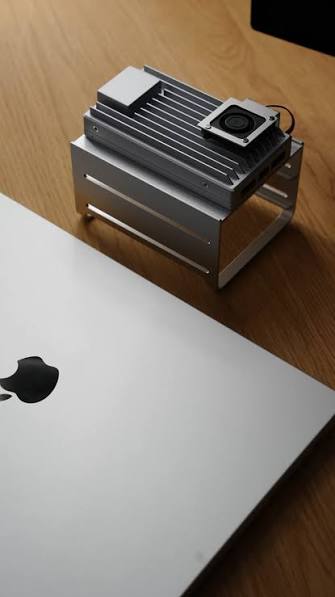
Live TV Recording Storage Guide for Capacity, Retention, and Cleanup
Measure real recordings, reserve headroom, combine age and capacity limits, and prove the oldest eligible program is removed before storage fills.
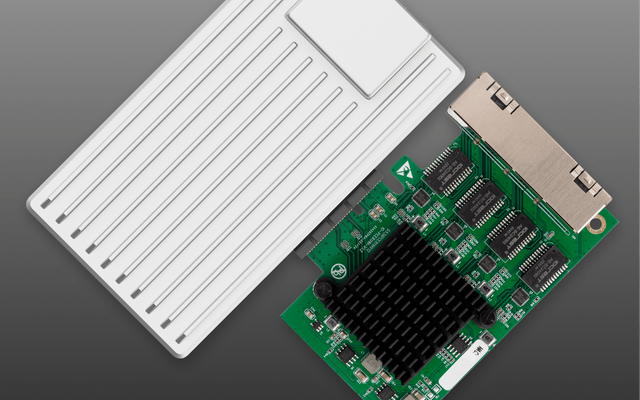
Home Media Metadata Recovery Workflow After a Database Restore
Protect the restored state, verify media identity and paths, then repair missing artwork or matches in a pilot library before broad metadata changes.
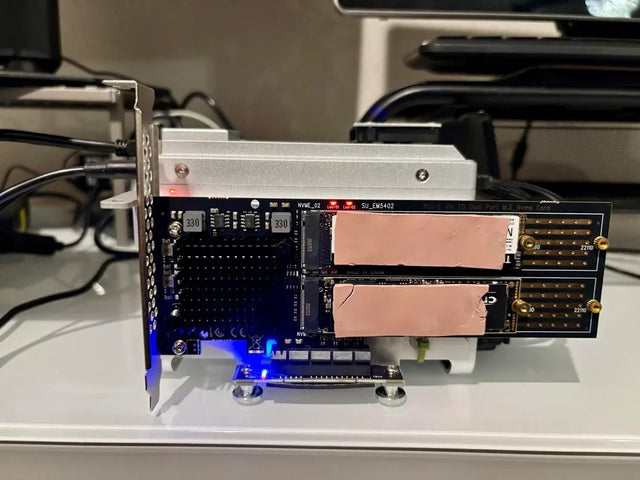
Jellyfin Client Compatibility Checklist for Audio, Video, and Subtitles
Test representative files one variable at a time and record Direct Play, remux, audio conversion, video transcode, or failure for every client.


