
What Causes SSD Write Amplification During Large Embedding Ingests?


Large embedding ingests amplify SSD writes because each logical vector can be logged, indexed, compacted, copied, and rewritten again inside the drive.
A home server may ingest a few dozen gigabytes of vectors while SMART counters report far more NAND writes. The pipeline can write source staging, embeddings, a write-ahead log, metadata, graph edges, immutable segments, compaction outputs, and snapshots. Filesystem copy-on-write and SSD garbage collection add lower-layer rewrites that the vector database does not directly report.
Durability and Index Construction Multiply Logical Writes
A durable ingest may append the vector to a WAL, update metadata, write an in-memory flush to disk, and build graph or quantization structures. Small commits repeat headers, journals, and fsync boundaries more often than one bulk transaction.
The physical versus logical writes definition expresses amplification as physical bytes written divided by logical bytes requested. Measure that ratio at each boundary rather than comparing only final index size with source documents. This distinction remains visible during later household testing.
If host writes already greatly exceed embedding payload, amplification starts in the application or database. Large NAND writes with modest host writes point farther down the storage stack. The intermediate result must remain inspectable before automation follows.
Immutable Segments and Compaction Rewrite Existing Data
Write-optimized stores flush new sorted segments, then merge them to reduce read amplification and tombstones. A large ingest can trigger overlapping compactions that rewrite older vectors and metadata along with the new batch. That boundary should be measured separately under realistic operating conditions.
An analysis of compaction write cost explains how compaction trades fewer read files for extra rewritten bytes. The symptom is background write traffic that continues after embedding generation finishes. The practical consequence appears when several sources compete for limited context.
Frequent small flushes create more merge work than larger, aligned batches, but delaying flushes increases memory and recovery exposure. The correct unit is bytes rewritten per durable vector, not the number of compaction jobs alone.
Copy-on-Write and Flash Garbage Collection Add Hidden Layers
Filesystem snapshots or copy-on-write can preserve old blocks while indexes change. Inside the SSD, pages cannot be overwritten in place; valid data may be copied from partially stale erase blocks before reclamation. This dependency should remain explicit in the final interface.
A deep dive into flash-level write amplification separates database-level rewriting from flash-page and erase-block behavior. Low free space and weak overprovisioning make device-level amplification worse during sustained random writes. The result must therefore be checked against the original evidence.
The failure boundary is confusing expected sequential index construction with harmful NAND amplification. Host write counters, filesystem allocation, and device NAND writes must be compared over the same interval and with SMART units interpreted correctly.

Calculate Amplification at Four Storage Boundaries
Record embedding payload bytes, WAL and database bytes, temporary and segment writes, compaction read and write bytes, filesystem allocated blocks, snapshot deltas, host SSD writes, NAND writes, free space, TRIM, transaction size, flush count, and ingest duration.
Relate contention to embedding ingest contention, then repeat with bulk commits, larger flushes, paused snapshots, and more free space one variable at a time. Keep documents, embeddings, index parameters, and durability unchanged. This distinction remains visible during later household testing.
Optimize the layer with the largest measured multiplier. Batch commits when journaling dominates, tune compaction when rewrites dominate, manage snapshots when copy-on-write dominates, and preserve spare capacity when device garbage collection dominates. The intermediate result must remain inspectable before automation follows.

Recommended products

Tech & AI HUB
More to Read
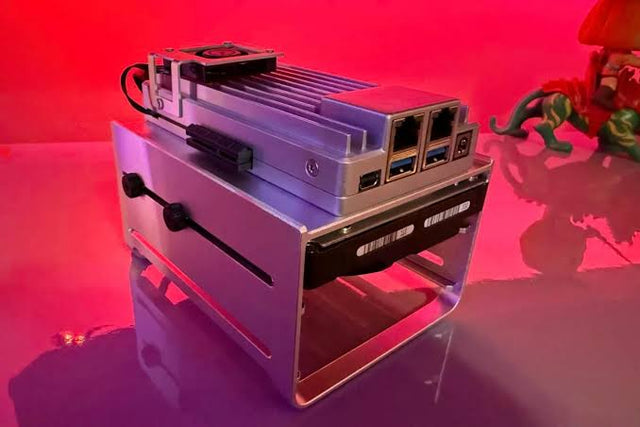
What Causes an AI Agent Planner to Repeat Steps It Already Completed?
Trace repeated planner steps through state persistence, completion evidence, tool-result parsing, context retention, retries, replanning, and stop conditions.
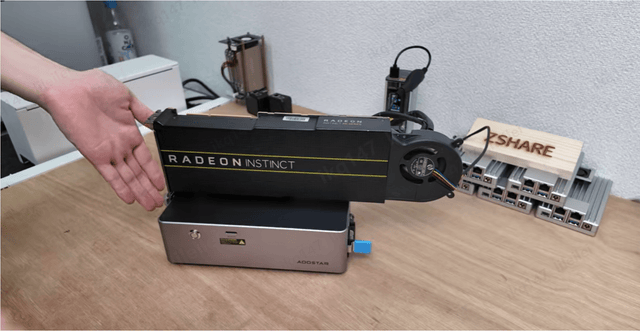
What Causes Permission Errors Only Inside AI Agent Subprocesses?
Compare parent and child identity, filesystem view, environment, capabilities, security policy, and executable path to diagnose subprocess-only denial.
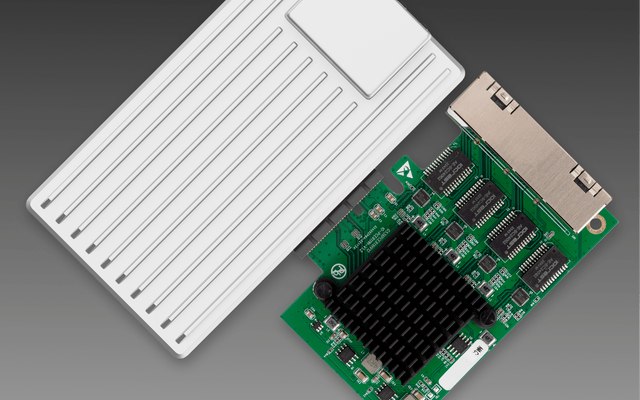
What Causes CPU Saturation When Hardware Transcoding and Video AI Run Together?
Trace CPU saturation across codec offload, pixel conversion, frame copies, AI preprocessing, audio, subtitles, storage, and process scheduling.


