
How to Safely Roll Back Plex After a Problematic Server Update


Back up the Plex data directory before downgrading, then roll back one version at a time only after checking whether the newer release changed database compatibility.
A Plex rollback is not just replacing a binary or Docker image. The server database can be migrated by an update, and an older server may not understand state written by a newer one. Preserve the current data first, identify the last known-good build, and keep the rollback reversible. The goal is to prove that the update caused the regression without turning a software problem into a database-recovery problem.
Freeze the current state before changing the server version
Stop Plex cleanly and make a copy of the persistent server data directory. Record the current server version and the exact symptom you are rolling back for. If you use Docker, also record the current image tag or digest and the previous known-good tag so the rollback is explicit rather than “latest versus whatever was cached.”
A recent Plex forum recovery example notes that previous installers may be available in the server’s Updates directory and discusses rolling back to a previous server version. Treat that as a version-scoped operational reference, not a promise that every platform stores packages in the same way.
Do not delete the current database or preferences as the first rollback step. If the older build fails, you need the untouched backup to return to the pre-rollback state. A safe rollback always preserves both directions: back to the old build and forward again to the current build.
Check for a database migration boundary before the downgrade
Read the release notes or known regression discussion for the version you installed. Some Plex releases have changed database compatibility, which means jumping too far backward can fail even if the older executable itself installs correctly. When a migration boundary exists, follow the supported intermediate path or restore a compatible database backup instead of forcing the old server against newer state.
Plex community guidance around the 1.40 migration documented a specific case where database compatibility constrained rollback paths. The exact version numbers in that case are historical; the durable rule is to check the migration boundary for your release before downgrading.
If Plex is currently performing a database migration, do not interrupt it just to reach the rollback faster. Let the migration finish or restore a known compatible backup. Interrupting schema work creates a different failure state that makes it harder to prove whether the release itself caused the original problem.
Install or pin the previous build without changing other variables
Change only the Plex server version. Keep the same app-data mount, media paths, network mode, hardware devices, and client settings. In Docker, pin the previous image tag rather than relying on a floating tag; on package-based installations, use the previous installer from a trusted source appropriate to the platform.
The ZimaSpace home server recovery checklist uses the same recovery principle: preserve readable state, identify the failing layer, and avoid replacing or rebuilding the wrong component first. A Plex rollback should be equally narrow.
Start Plex and watch the logs for database errors before testing playback. If the old build refuses the database or starts as a new server, stop immediately and restore the protected state rather than allowing it to write new files into a mismatched data directory.

Reproduce the original regression before deciding to stay rolled back
Once the old build starts normally, reproduce the exact condition that failed after the update: the same client, media, network path, library action, or scheduled task. A rollback only proves the release was involved when the old version passes the original trigger and the rest of the server remains healthy.
Restart Plex once and repeat the trigger so you know the recovery survives a normal lifecycle event. Then verify library access, watch history, remote access if used, and any hardware transcoding path that the update could have touched. Do not declare success from the home screen alone.
If the previous build also fails, return to the current protected state and continue diagnosis rather than stacking more downgrades. If the previous build fixes the problem, keep the rollback temporary, document the working version, and watch for a later Plex release that resolves the regression before upgrading again.

Recommended products

Support & Tips
More to Read
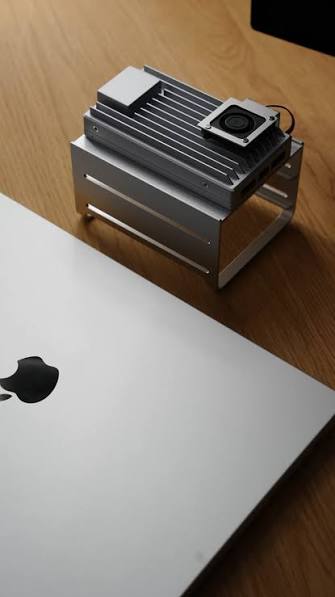
Live TV Recording Storage Guide for Capacity, Retention, and Cleanup
Measure real recordings, reserve headroom, combine age and capacity limits, and prove the oldest eligible program is removed before storage fills.
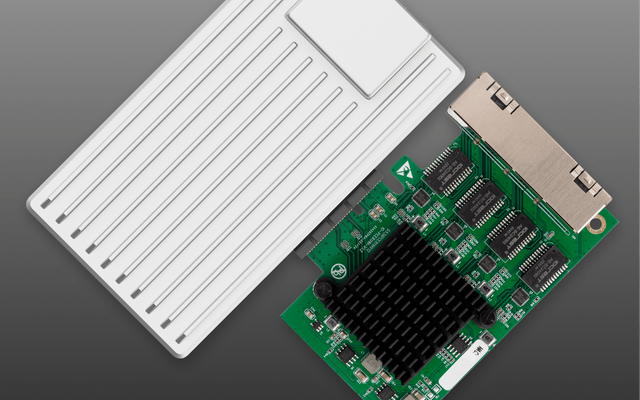
Home Media Metadata Recovery Workflow After a Database Restore
Protect the restored state, verify media identity and paths, then repair missing artwork or matches in a pilot library before broad metadata changes.
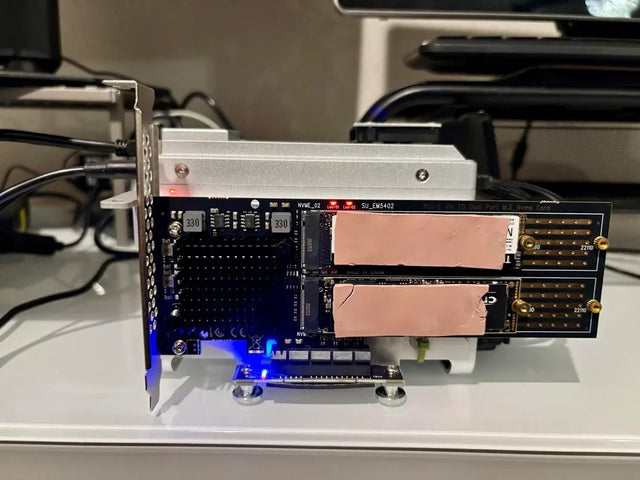
Jellyfin Client Compatibility Checklist for Audio, Video, and Subtitles
Test representative files one variable at a time and record Direct Play, remux, audio conversion, video transcode, or failure for every client.


