
How to Verify a Plex Migration Before Retiring the Old Server


Do not retire the old Plex server until the new one passes a repeatable acceptance test for state, paths, users, playback, and recovery.
Does the migrated server open correctly but you still worry that watch history, library mappings, permissions, or remote access may fail later? Keep the old host intact and offline or stopped, then verify the new server from cold start through real client playback. Only remove the rollback copy after the new app-data path and backups survive a restart.
Treat Migration Success as More Than a Successful Login
A Plex migration is successful only when the server state and the media paths agree on the new host. Seeing the home screen is not enough because missing mounts, permissions, or stale path references may appear only during a scan or when a specific client requests media.
A migration should preserve the Plex data folder and watch state and verify that copied state on the new host before the original server is retired; that is the baseline to establish for Plex migration verification.
The acceptance signal is consistent behavior across several layers: libraries load, representative items play, watch state is present, intended users can access their libraries, and a fresh restart does not change the result.
Verify State, Paths, and Permissions Before Remote Features
Check the Plex data directory ownership and persistence first, then inspect each library path from the server environment. Play one item from every storage location so a single working library does not hide a broken mount elsewhere.
When measuring Plex migration verification, a consistent SQLite backup should come from a safe backup or snapshot workflow rather than an uncontrolled copy of active database files during writes.
Finally test remote access from outside the home network if it is part of the normal workflow. Keep local correctness and remote routing as separate gates so a router problem does not make you doubt the migration itself.
Run a Cold-Restart Acceptance Test
Stop the new server cleanly, reboot the host, and confirm storage mounts are ready before Plex starts. This catches transient paths that worked only because they were manually mounted during migration.
After restart, repeat one local playback, one library update, one user-access test, and one remote session. Do not wipe or repurpose the old host until this cold-start pass is complete.
Make a fresh backup of the new Plex app data after the acceptance test. Verify that the backup can be located and that you know which files or directory would be restored if the new server fails tomorrow.

Retire the Old Server Only After the Rollback Window Passes
Keep the old server stopped rather than running both copies against the same identity or paths during the verification window. A clean rollback target is more useful than two active instances that create ambiguity.
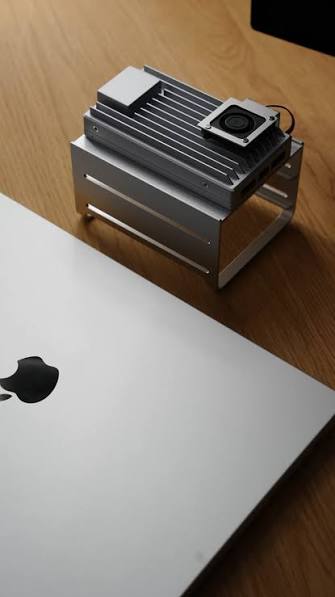
A Plex hardware baseline also helps keep client behavior separate from server-side compute and storage limits during testing.
Retire or wipe the old server only when the new host has passed cold restart, representative playback, user access, storage-path validation, and backup verification. If any gate fails, correct the new host while the old copy remains untouched.
- Verify every library path and a sample file
- Compare watch state and household access
- Reboot the new host and repeat the test
- Create and locate a fresh backup before wiping the old server

Recommended products

Support & Tips
More to Read
Live TV Recording Storage Guide for Capacity, Retention, and Cleanup
Measure real recordings, reserve headroom, combine age and capacity limits, and prove the oldest eligible program is removed before storage fills.
Home Media Metadata Recovery Workflow After a Database Restore
Protect the restored state, verify media identity and paths, then repair missing artwork or matches in a pilot library before broad metadata changes.
Jellyfin Client Compatibility Checklist for Audio, Video, and Subtitles
Test representative files one variable at a time and record Direct Play, remux, audio conversion, video transcode, or failure for every client.


