
A Home Server Setup for a Family That Travels but Wants One Private Data Home


A traveling family needs one authoritative private data home, plus secure remote access and offline working copies that do not become competing archives.
The home server should own originals, private records, shared family files, and backup state, while phones and laptops receive only the data needed for the trip. That design must account for lost devices, unreliable hotel networks, home internet or power failure, conflicting offline edits, travel-photo uploads, and a recovery path that remains independent from remote convenience.
Choose One Authoritative Data Home Before Designing Travel Access
A traveling family may use phones, laptops, hotel Wi-Fi, mobile data, and several cloud apps, but each important data class still needs one authoritative home. The home server can own photo originals, private documents, shared family files, and backup state while travel devices carry working copies.
TechTarget’s NAS and cloud comparison frames local control, remote collaboration, maintenance, performance, and recovery as connected workflow choices. That authoritative-home-versus-remote-workflow model helps separate the permanent data home from temporary travel access.
Create a data map before enabling remote services. State which files are authoritative at home, which synchronize to devices, which can be edited offline, and which must wait for a secure connection. Avoid multiple writable masters for the same document or photo library.
The authoritative-home rule should be visible in the folder names and app settings. Travel folders can be marked as synchronized working sets, while originals and records remain clearly identified at home. When the family returns, edits and new captures should flow through a review step instead of creating silent duplicate masters on several devices.
Use a Private Remote Path Instead of Publishing the Server
Travel access should begin with a private tunnel, supported relay, or application path that authenticates trusted devices before exposing files. Directly publishing storage protocols or the administration interface increases the public attack surface and complicates account control.
Top10VPN’s 2026 home VPN guide compares private methods for reaching a home network from outside. That private-tunnel access model supports making the travel device join a controlled network path instead of exposing the NAS directly.
Enroll each travel device individually and keep administration separate from ordinary file access. Test account revocation, a lost-device scenario, and access from mobile data. The family should be able to remove one device without changing every user’s credentials.
Keep Offline Working Sets on Travel Devices
Hotel networks, flights, rural areas, and roaming limits make continuous home access unreliable. Travelers need selected documents, itineraries, tickets, current school or work files, and a limited photo set available offline. The home server should remain authoritative while devices keep bounded working copies.
Cloudwards’ comparison of cloud and local storage highlights that internet dependence changes availability and performance. That online-versus-offline availability trade-off explains why private remote access alone is not an offline strategy.
Define which folders synchronize before travel and what happens when two people edit the same file offline. Keep highly sensitive records encrypted and minimize what travels. After returning, confirm synchronization before deleting local working copies.
Create a pre-trip checklist that confirms the latest copies are present, sensitive files are encrypted, and enough device storage remains for new photos and documents. Also define a post-trip cleanup date. Offline availability is useful because it is bounded; leaving every private record on every travel device permanently creates a second unmanaged archive.

Upload Travel Photos Into Personal Intake Areas
Travel produces large bursts of phone photos and videos on unstable networks. Each family member should upload into a private intake area, not directly into the shared archive. The server can later verify completeness, duplicates, dates, and shared-album selection.
WIRED’s phone-photo backup guidance recommends moving irreplaceable images off the phone regularly rather than leaving the only copy on a fragile device. That travel-photo off-device workflow supports opportunistic upload while preserving the phone copy until completion is verified.
Allow uploads over trusted Wi-Fi or mobile data according to the family plan. Show clear progress and failed items. The phone should not delete originals automatically merely because thumbnails appear on the server.
Separate Family Sharing From Private Records While Away
A travel server workflow may include shared itineraries, tickets, photo albums, and emergency information, but it should not expose every private document or household backup. Individual accounts and purpose-built travel folders limit what a compromised device can reveal.
The Washington Post’s guidance on local copies emphasizes identifying essential data and preserving it outside a single cloud account. That account-independent essential-data copy supports keeping sensitive originals at home while carrying only what the trip requires.
Create a travel group with access to selected shared files. Keep medical and identity records person-specific, and use temporary shared copies where appropriate. Administrative app state, backup repositories, and full household archives should remain invisible from travel accounts.
Plan for Home Internet, Power, and Server Failure During the Trip
A private data home is useful only when the family knows what happens if the house loses power, the router fails, the server stops, or the upstream connection becomes unavailable. Remote access should have monitoring, safe restart behavior, and a fallback for time-sensitive travel documents.
TechRadar’s current travel-VPN guidance evaluates reliability, security, and access across different countries and networks. That variable-network travel assumption reinforces the need to test from the networks the family will actually use.
Carry offline copies of tickets and critical contacts. Use a small UPS where it protects clean shutdown and restart, not as a substitute for off-site copies. Name a trusted person who can check the home network physically without receiving unrestricted daily access.
Test one complete weekend with the family away from the home network. Verify alerts, remote sign-in, offline fallback, and a controlled home-side restart. The exercise should also confirm that no urgent travel task depends on the administrator opening a terminal from a phone under poor connectivity.
Keep Backup and Recovery Independent From Remote Convenience
Remote synchronization and photo upload are access workflows, not the complete backup plan. The home server needs versions and an off-site copy, while travel devices need a recovery method that does not depend on the same phone, account, or server that was lost.
ServeTheHome’s compact-server project demonstrates designing a small always-on node around defined compute, storage, and network roles. That bounded always-on home node fits a travel architecture only when recovery remains a separate role.
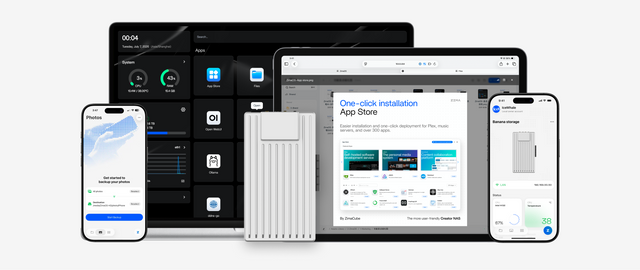
The ZimaSpace article on private remote access to a home server provides the connection boundary. A ZimaBoard 2 Mini Home Server fits a compact compute-first setup with deliberate attached storage. A ZimaCube 2 AI NAS is the clearer base when several users, multi-drive capacity, longer retention, and storage-first recovery define the household system. The system succeeds when the family can work while traveling, lose one device safely, and still recover the authoritative data home after a home-side failure.
The private data home is successful when travel devices can work with bounded copies, every user has revocable access, and the family can recover even when either the trip device or the home connection fails.
A lost travel phone should be removable without threatening the home archive, and a failed home server should be recoverable without the lost phone. Keep emergency codes, backup keys, and the minimum runbook in a second protected location. Independence between those two failures is the strongest proof that the architecture is not circular.

Recommended products

NAS & Server Setup
More to Read

A Local RAG Setup for Research Papers, Notes, and Private Documents
Keep original documents authoritative, make indexing repeatable, require citations, and separate replaceable models from private source data.
Why Are Developers Using a Gateway Node for Private DNS, VPN, and Test Apps?
A gateway node gives private apps one controlled name and access path, while compute nodes stay unexposed and replaceable.
How to Build a Reproducible App Stack With Compose Files, Secrets, and Persistent Data Separated
Keep Compose definitions portable, secrets protected, and app data independently backed up so the stack can be rebuilt on a clean host.


