
Why Are First-Time Homelab Users Separating the Boot Drive From App Data?


First-time homelab users separate the boot drive from app data so the operating system can be rebuilt without relocating every persistent service and dataset.
The distinction is logical before it is physical. The boot layer contains the host operating system, packages, logs, container images, and management tools. App data contains databases, configuration, secrets, indexes, and user-generated state that must survive host replacement. Keeping those roles explicit prevents a full root filesystem, failed update, or boot-drive replacement from becoming an application-data migration.
The Boot Drive and App Data Have Different Lifecycles
The host operating system should be replaceable from installation media, configuration notes, and service definitions. Application state changes according to user activity and may need frequent backups, version-aware recovery, or consistent database exports. Combining both roles on one disk is possible, but combining them in one undocumented directory tree makes recovery harder.
LinuxBlog’s filesystem hierarchy guide explains how Linux separates system directories, variable state, optional software, service data, and mount locations inside one filesystem tree. That role-based filesystem model helps a beginner understand why data location matters even before a second physical drive is installed.
Document which paths are needed to rebuild the host and which paths are needed to restore services. The separation succeeds when reinstalling the operating system does not require deciding again where every database and household file belongs.
App Growth Should Not Be Able to Fill the Root Filesystem
Databases, thumbnails, indexes, logs, downloads, and temporary processing can grow much faster than expected. When they share the root filesystem, one runaway service can prevent package updates, logins, container starts, or normal operating-system writes.
TechTarget’s Linux storage guidance notes that separate filesystems and logical volumes can isolate space consumption and allow different areas to be expanded independently. That capacity-isolation principle explains why app data should have its own warning threshold and expansion path.
Set alerts for root usage and app-data usage separately. Keep container images and system logs bounded, and give caches explicit limits. A full app-data path may stop one service; a full root filesystem can destabilize the entire host.
Persistent State Must Outlive App and Host Replacement
A container, package, or virtual machine definition can often be recreated. The database, configuration, account records, and user state are what make the service recognizable after reinstall. Persistent state should therefore be mapped outside disposable application layers and protected independently.
Baeldung explains that container changes are lost when the container stops unless data is placed in a volume or bind-mounted path. That container-versus-persistent-data boundary is the practical reason beginners create a dedicated app-data location.
Use readable paths such as /srv/appdata/service and keep application definitions elsewhere. Record database type, ownership, secrets location, and backup method. A named volume can work, but the administrator must still know where it is protected and how it is restored.

Reinstalls and Major Upgrades Become Controlled Host Changes
A failed boot drive, distribution upgrade, or change from one management interface to another should not require copying the whole storage pool. When app data resides behind stable mounts, the new host can reconnect to the existing state after permissions, versions, and dependencies are verified.
Backblaze’s backup-testing guidance emphasizes restoring selected files and confirming that the result is usable rather than trusting job status alone. That restore-before-reinstall discipline should be applied before the original boot drive is erased or repurposed.
Test the process with one noncritical service. Export its definition, protect its state, stop it, and recreate it against a copied path or test host. The migration is understood only when the app returns with its accounts, configuration, and representative data intact.
App Data Can Use Storage Chosen for Its Workload
The boot layer needs reliable startup and enough room for updates, but many app-data workloads are more sensitive to small-read latency and frequent writes. Databases, search indexes, and metadata stores often benefit from SSD storage, while large media and archives may belong on a capacity-oriented HDD pool.
TechTarget’s SSD and HDD comparison describes SSDs as lower-latency storage while HDDs remain economical for larger capacities. That latency-versus-capacity distinction allows app state and bulk data to grow on different schedules.
| Storage role | Primary requirement | Typical starting location |
|---|---|---|
| Boot and host tools | Reliable startup and bounded updates | Internal SSD |
| Databases and app state | Low latency and consistent backup | Dedicated SSD path |
| Bulk user data | Capacity and predictable expansion | HDD pool, DAS, or storage NAS |
| Cache and temporary work | Speed with easy cleanup | Bounded SSD or NVMe path |
The app-data layer does not need a separate physical device on day one. It needs a separate role, path, capacity limit, backup policy, and migration plan. Physical separation becomes worthwhile when performance, failure isolation, or growth measurements justify it.
Stable Mounts Preserve Paths While Physical Storage Changes
Applications should point to role-based paths instead of raw device names. A second drive, controller change, or reboot can alter device discovery order. Stable identifiers and mount dependencies keep app paths unchanged while the hardware behind them is replaced or expanded.
LinuxBlog’s disk-partitioning guide covers listing disks, identifying filesystems, and mounting storage persistently rather than relying on transient device names. That persistent-mount workflow is the connection between logical separation and practical recovery.
Mount app data before dependent services start. Test two reboots and one controlled missing-mount condition with disposable data. A failed mount should stop the app or raise an alert instead of letting it create a new empty database on the boot drive.
Backups Become Smaller, Clearer, and Easier to Validate
The boot layer can be rebuilt from installation media and documented configuration, while app data requires regular protection. Separating them allows different backup frequencies and avoids repeatedly copying replaceable operating-system files as if they were household data.
N2WS explains that database recovery may require schema, configuration, logs, and backup metadata in addition to the primary data set. That multi-part recovery inventory helps define what belongs in the app-data backup set.
Protect service definitions, consistent databases, configuration, and secrets according to their recovery requirements. Back up bulk user data separately, and exclude rebuildable cache. Test one app restore and one host rebuild rather than assuming one image-based backup covers both failure modes.
Use the Simplest Physical Layout That Preserves the Boundary
A small first homelab can use one SSD partitioned or organized into explicit boot and app-data roles, plus a separate bulk-data drive. A more durable design uses a replaceable boot SSD, a protected app-data SSD tier, and an expandable capacity pool. Extra devices are useful only when they reduce recovery or growth coupling.
ServeTheHome’s compact-server project demonstrates how a small system can support planned memory, fast storage, and networking without becoming a rack-scale build. That compact layered-storage model suits a first homelab that expects future upgrades.
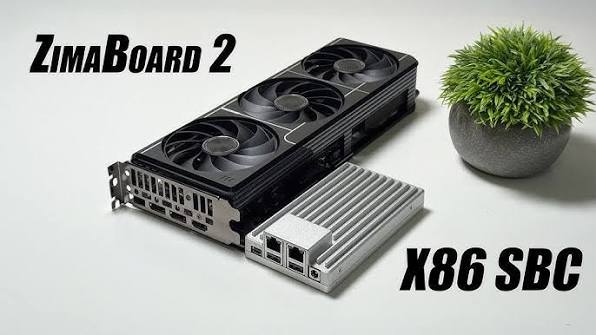
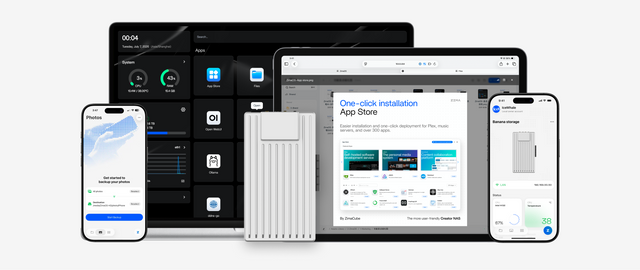
The ZimaSpace article on first-homelab storage topology extends the separation into boot, app-data, cache, bulk, and backup roles. A ZimaBoard 2 Mini Home Server fits a compact compute-first layout with deliberate attached storage. A ZimaCube 2 AI NAS becomes the stronger base when multi-drive bulk storage, shared household data, snapshots, and storage-first recovery define the architecture.
Users separate boot and app data because the host should be replaceable, the applications should remain recognizable, and storage growth should not force both layers to move together.

Recommended products

NAS & Server Setup
More to Read
A Local RAG Setup for Research Papers, Notes, and Private Documents
Keep original documents authoritative, make indexing repeatable, require citations, and separate replaceable models from private source data.
Why Are Developers Using a Gateway Node for Private DNS, VPN, and Test Apps?
A gateway node gives private apps one controlled name and access path, while compute nodes stay unexposed and replaceable.
How to Build a Reproducible App Stack With Compose Files, Secrets, and Persistent Data Separated
Keep Compose definitions portable, secrets protected, and app data independently backed up so the stack can be rebuilt on a clean host.


