
Why Are Photo Teams Using a Fast Project Tier and a Slower Archive Tier?


Photo teams separate a fast project tier from a slower archive tier because active jobs need performance while completed work needs scalable, stable capacity.
The two-tier design is not simply SSD versus HDD. It is a lifecycle system: current jobs stay on the responsive shared tier while they are being culled, edited, reviewed, and delivered; completed jobs move to a validated archive that is cheaper to grow. The value comes from explicit promotion, recall, and backup rules that prevent two copies from becoming competing masters.
Fast and Slow Tiers Exist Because Active Projects and Archives Behave Differently
Photo teams use a fast project tier and a slower archive tier because current jobs change constantly while completed work is read far less often. Active projects need low latency, high throughput, frequent writes, and collaboration. Archived jobs need capacity, stability, validation, and lower cost per terabyte.
TechTarget defines tiered storage as assigning data to storage classes according to performance, availability, value, and cost. That activity-based storage tiering maps directly to a photo team’s active-project and archive split.
Do not define the tiers only by device type. A fast tier is a policy for data currently being worked on; an archive tier is a policy for completed, validated work. Hardware follows those roles.
The Project Tier Should Hold Only the Working Set
Current RAWs, layered files, proxies, project databases, shared selects, and deliverables-in-progress belong on the fast tier while the team is actively changing them. Keeping years of completed jobs there wastes expensive performance capacity and makes free-space pressure unpredictable.
dpBestflow describes the Working phase as the period when photo files are in flux and notes that working files are more difficult and expensive to protect. That working-set lifecycle supports a bounded project tier rather than an all-time library on flash.
Set a project capacity budget and a completion trigger. The tier should comfortably hold several overlapping jobs plus free-space reserve, not the studio’s entire history.
The Archive Tier Should Favor Capacity, Integrity, and Predictable Retrieval
Completed client work, preserved originals, approved finals, and required project state can move to a larger HDD-based or otherwise capacity-optimized tier once the job no longer needs constant high-performance access. The archive should be easy to search and restore even if it is slower.
PhotoWorkout’s 2026 organization guide recommends a hybrid model that separates active working storage from longer-term protected photo storage. That stable long-term storage role explains why the slower tier can use simpler and less expensive storage without becoming disorganized cold data.
| Workflow state | Fast project tier | Slower archive tier |
|---|---|---|
| Fresh ingest | Yes, if actively culled | Verified archive copy may start immediately |
| Active edit | Primary shared work area | Protected second copy or prior state |
| Client approval | Current proofs and revisions | Originals and prior approved states protected |
| Delivered job | Short grace period | Primary long-term home |
| Reopened job | Recall selected job to fast tier | Archive remains authoritative source |
Indexing and metadata should make retrieval predictable. The team should be able to recall one old project without copying entire years back to expensive storage.

A Clear Promotion and Demotion Rule Prevents Duplicate Authority
Tiering fails when nobody knows whether the project or archive copy is authoritative. Define the lifecycle state: active, delivered, archived, recalled, and re-archived. Only one location should be the master for a given state, while backups remain clearly separate from both.
The StudioHero workflow separates proofing, selections, revisions, approval, and final delivery into explicit project stages. That stage-gated project workflow is a useful operational trigger for moving a photo job from fast working storage toward archive.
Use a checklist or automation to move the job, verify the copy, update catalog paths, confirm backup state, and then release fast-tier capacity. A folder should not exist indefinitely in both places simply because nobody remembers which one is current.
Recall Should Be Selective and Reversible
When an old client requests changes, the team should recall only that job or its working subset to fast storage. The archive copy remains the protected source until the recalled project is verified, updated, delivered, and returned to the archive.
Pixitmedia’s post-production workflow describes active projects staying on NVMe while completed projects move to archive and are recalled on demand. That recall-on-demand tier model demonstrates why selective recall matters more than keeping everything permanently hot.
Record whether the recalled job is a temporary working copy or a promoted master. After the change, archive the new approved state and remove the fast-tier copy according to policy.
Tiering Reduces Cost Only When Backup Is Designed Separately
A fast SSD project tier plus a large HDD archive tier can reduce the cost of keeping years of work online, but neither tier is the backup of the other by definition. A project can be deleted incorrectly before archiving, and an archive can be corrupted or lost after delivery.
Digital Photography School recommends multiple copies and at least one off-site location for important photography. That independent-copy rule means the tiering design must sit inside a separate recovery plan.
Protect active projects aggressively because they change frequently. Protect the archive with versions, validation, and independent off-site copies. The backup policy can be different for each tier, but it cannot disappear just because the project exists in two workflow locations during a handoff.
Teams Need Tiering When Waiting and Capacity Pressure Happen at the Same Time
A solo photographer with a modest library may not need formal tiers. The case becomes stronger when several editors compete for active storage, current jobs require high throughput, the archive grows continuously, and buying enough flash for every completed project would be wasteful.
Pics.io’s 2026 photo-team organization guide describes how shared assets become workflow infrastructure once several people need consistent access, versions, and retrieval. That team-scale library pressure explains why storage policy matters more as the library becomes collaborative.
The ZimaSpace 2.5GbE versus 10GbE NAS decision covers the network side of fast shared storage. A ZimaBoard 2 Mini Home Server fits a compact compute-first photography workflow with deliberate attached storage. A ZimaCube 2 AI NAS is the clearer base when multi-drive capacity, long retention, shared access, and storage-first recovery define the archive. Tiering is justified when the team can keep active work fast, archive growth economical, and the transition between the two explicit and testable.
Review tier boundaries whenever the team changes camera formats, adds editors, or starts retaining more video. The fast tier should expand only when active working-set pressure justifies it; archive growth should not silently force every historical job onto premium storage.
Teams should also track how long jobs remain on the fast tier and how often archived projects are recalled. Those measurements reveal whether the tier sizes match real behavior. If projects sit on NVMe for months after delivery, the demotion rule is too weak. If the same archive jobs are recalled every week, they may belong on a warmer tier or in a reusable working set. Capacity planning should therefore use active-project concurrency, average project size, grace period after delivery, and recall frequency rather than only total archive size. This gives the team a defensible reason to expand fast storage, add more archive capacity, or change the handoff policy instead of reacting to whichever tier fills first.

Recommended products

NAS & Server Setup
More to Read
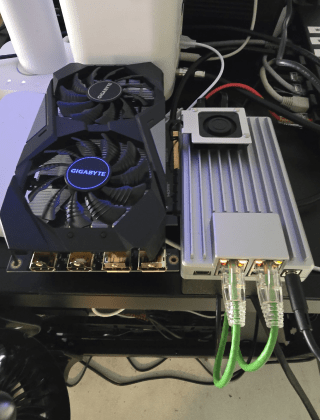
Can a Dorm Server Run Quietly Enough for Sleep, Study, and Video Calls?
Yes—a dorm server can stay unobtrusive when hardware is low-power, storage vibration is controlled, heavy jobs are scheduled, and noise is tested in the...
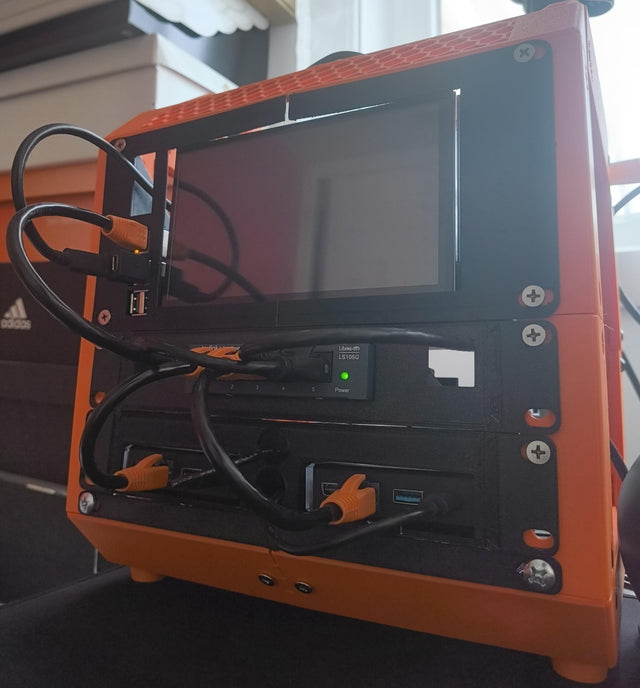
A Student Homelab That Can Move From Dorm Room to First Apartment
Keep a student homelab portable by separating services from room-specific networking, minimizing hardware, backing up state, and rehearsing a clean move.
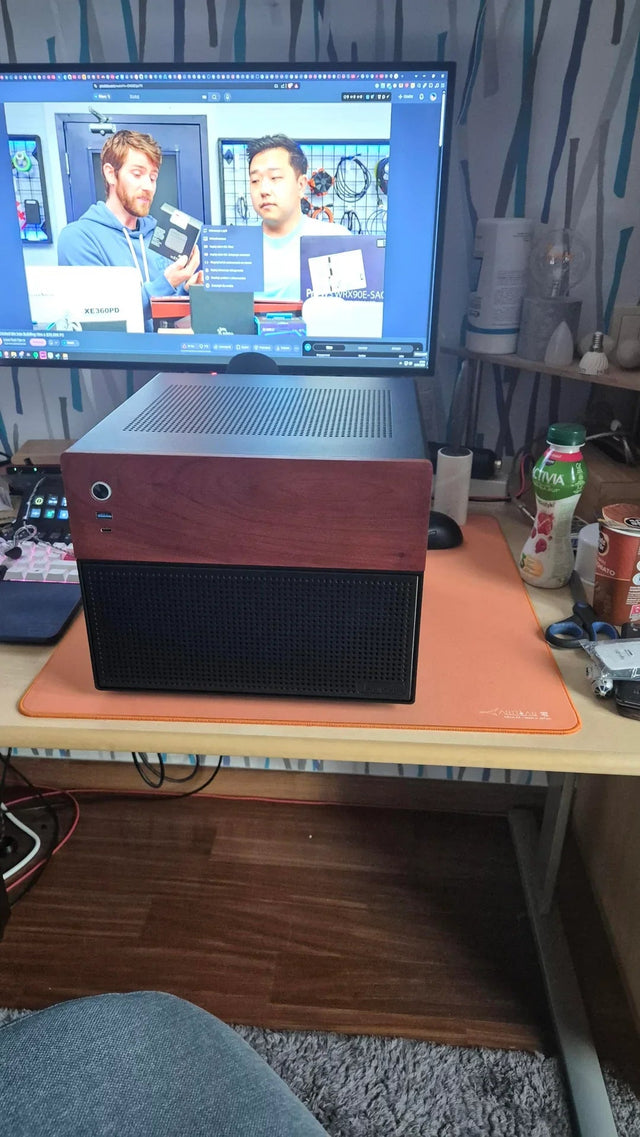
How to Share One Home Server With Roommates Without Sharing Accounts or Private Files
Give every roommate a named identity, private storage, and only the shared roles they need; keep administration, backups, and offboarding separate.


