
How to Architect One Plex Host for Resource-Heavy Apps


One Plex host can share hardware with resource-heavy apps, but the layout should protect playback and Plex state before it tries to maximize total utilization.
The cleanest design starts by separating roles: Plex playback and app data, bulk media, download or indexing jobs, backups, and any CPU- or GPU-heavy service. Once those roles are visible, you can decide which resources may be shared, which need limits, and which workloads should run at different times.
Assign Roles Before You Set Resource Limits
A shared server is easier to operate when each service has a defined workload instead of one undifferentiated pool of containers. Plex may need predictable app-data latency and short bursts of transcode compute, while downloaders and batch jobs can tolerate delay.
Shared storage paths and workflow timing become explicit in a multi-service media stack where Plex sits beside downloaders, indexers, and request tools.
Write down the CPU, memory, storage, network, and accelerator each service can pressure during the busiest normal hour. If two roles only collide because they run at the same time, scheduling may solve the problem before hardware isolation is necessary.
Protect the Plex Latency Path
Plex playback can tolerate a busy host better than a starved app-data path. Database, metadata, and cache operations are smaller and more latency-sensitive than bulk media copies, so they should not compete blindly with backup or download writes.
Docker does not create fair sharing by default; explicit CPU, memory, and I/O limits can keep one service from consuming all of a host resource during a burst.
Keep Plex state on a predictable device, measure storage latency during a representative stream, and repeat the test while the heaviest companion job runs. If the app-data path becomes slow before CPU or network saturates, isolate that storage role first.
Schedule Bursty Work Before You Split Hardware
Backups, media scans, local AI jobs, and large imports often need a lot of resources for a limited window. They are good candidates for scheduling because their completion time matters more than their instantaneous latency.
A host-wide utilization, saturation, and error check helps identify whether the overlap actually queues CPU, memory, storage, or network work instead of assuming every simultaneous job needs a separate machine.
Move one bursty job outside the main viewing window and repeat the same Plex workload. A design that remains stable after scheduling is simpler than a premature two-host split.

Split the Host When One Role Repeatedly Degrades Another
Separation becomes worthwhile when a required heavy service still degrades Plex after reasonable scheduling and resource controls, or when both workloads must run at peak at the same time.
A topology that separates media-server compute from heavier workloads gives each role an independent upgrade path without moving the media library every time compute needs change.
Keep the single host when peak tests stay inside the agreed latency and playback targets. Split compute, storage, or accelerator roles only when the same measured conflict survives scheduling and limits.

Recommended products

NAS & Server Setup
More to Read
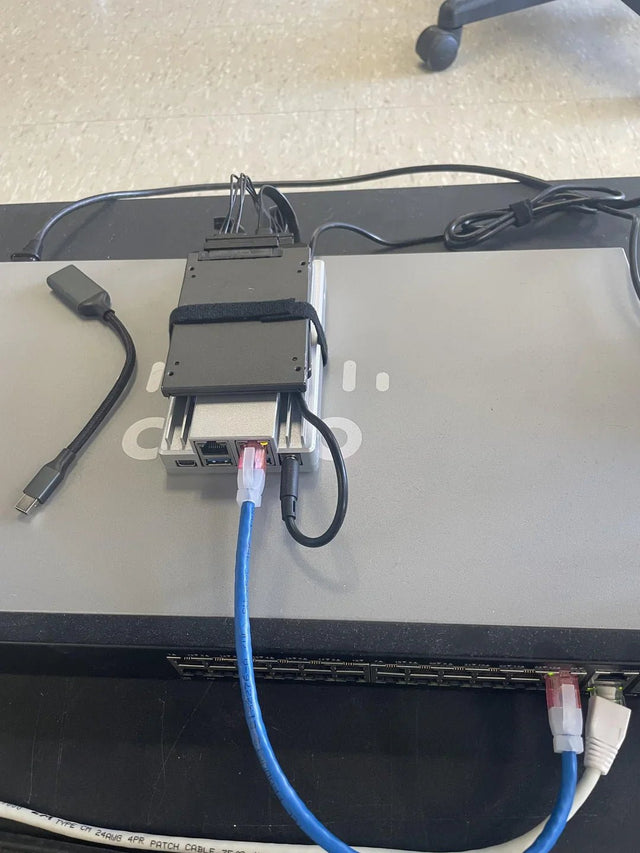
How AI-Like Analysis and Automation Change Jellyfin Storage and Compute Needs
Automation and adjacent AI analysis add scans, derived data, CPU/GPU work, cache, scratch space, and background scheduling beyond ordinary Jellyfin playback.
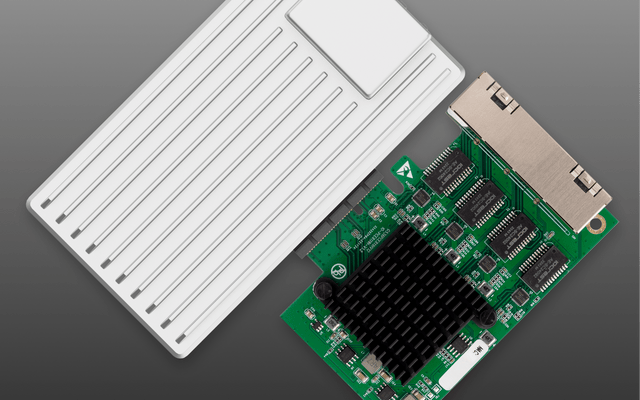
How to Integrate Jellyfin Into a Small Apartment or Rental Network
Build a rental-friendly Jellyfin network around stable local addressing, minimal wiring, quiet hardware, CGNAT-aware remote access, and reversible changes.
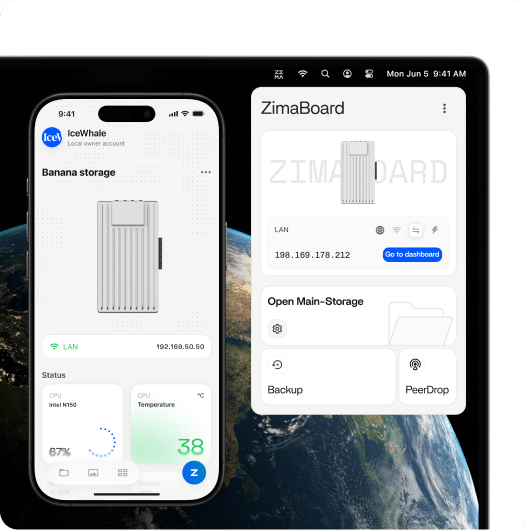
How Many Users and Background Jobs Should One Jellyfin Host Support?
Treat Jellyfin users and background jobs as one shared workload budget; capacity ends when playback latency, queues, or resource pressure becomes repeatable.


