
What Does a Good First-Month Home Server Setup Look Like for a Beginner?


A good first month produces one useful, recoverable home server workflow—not a long app list whose storage, access, and maintenance rules remain unclear.
The month should move from scope to stability. Week one establishes the host, network identity, storage roles, and recovery notes. Week two installs one service and maps its persistent state. Week three adds backup, users, and monitoring. Week four tests maintenance, restores, and the decision to add a second service. The result is a small operating system for the household rather than a weekend installation project.
Before Day One, Define the One Workflow the Server Must Improve
Choose a recurring household task with a clear user and measurable result. Suitable first workflows include receiving laptop backups, centralizing a shared document folder, or hosting one noncritical service. Avoid beginning with several unrelated apps, public remote access, and irreplaceable data on the same weekend.
WIRED’s NAS setup guide begins with practical household outcomes such as local backups, shared content, and media access before discussing hardware and additional apps. That outcome-first setup sequence is the right first-month boundary.
Write a one-sentence success condition and one stop condition. For example: two laptops complete automatic local backups, and the project stops before remote access until restores are proven. This protects the first month from feature drift.
Week One: Establish the Host, Network Identity, and Storage Map
Install the operating system or server interface, create a protected administrator account, apply current updates, and assign a stable local hostname and reserved address. Then list the boot layer, app-data path, bulk-data path, cache, and backup destination even if some roles temporarily share one physical SSD.
LinuxBlog’s filesystem hierarchy guide explains how Linux separates system files, variable state, service data, and mount locations in one tree. That filesystem-role map gives beginners a practical vocabulary for documenting where the first service will write.
| Week-one item | Minimum evidence | Reason |
|---|---|---|
| Server identity | Hostname, local address, admin owner | Clients and recovery notes refer to one system |
| Storage roles | Boot, app data, user data, cache, backup paths | Growth and recovery remain understandable |
| Network boundary | Local-only access unless remote use is required | Reduces security and troubleshooting variables |
| Baseline | Disk, memory, temperature, and idle services | Provides comparison after apps are installed |
Reboot twice before installing the first app. Confirm that storage mounts, the local address remains stable, and the management interface returns without manual intervention.
Week One: Create Recovery Notes Before Important Data Arrives
Record how to reinstall the host, where application definitions will live, where credentials or recovery keys are protected, and which external device or location will receive backups. Keep the minimum recovery notes outside the server so they remain available after a boot-drive failure.
Backblaze recommends testing backups through actual restores rather than assuming successful job status proves recoverability. That restore-before-reliance principle should shape the server before irreplaceable data is copied to it.
Create a small test folder, back it up, delete a copy, and restore it to a different location. The first restore can be simple; its purpose is to reveal missing credentials, unclear paths, and instructions that existed only in memory.

Week Two: Install One Useful Service and Map Persistent State
Choose the service that completes the original workflow. Before installation, identify its configuration, database, user-data, cache, credentials, ports, and dependencies. Install it only after every persistent path has an owner, a backup rule, and enough free space.
Better Stack explains that data requiring persistence must live outside the disposable container lifecycle. That persistent-state-before-deployment rule is the core of week two whether the app uses Docker, a native package, or another interface.
Connect from a second household device and complete one real task. Do not add the second app merely because the first one opens. Observe its storage growth, logs, permissions, and restart behavior for several days.
Week Two: Add Users and Access Boundaries Around Real Work
Create ordinary household accounts instead of sharing the administrator login. Give each user access only to the folders and services required by the workflow. Give the application a bounded service identity so it cannot modify backups, private data, or unrelated app state.
OWASP defines least privilege as granting a user, process, or program only the permissions necessary for its intended purpose. That minimum-required-access model keeps a beginner setup from solving every permission problem with unrestricted write access.
Test both successful and denied actions. A family member should reach the intended share, an application should write only to its assigned paths, and an ordinary account should not alter system settings. Postpone public exposure until local authentication, updates, and recovery are stable.
Week Three: Automate Backups and Test a Complete Service Restore
Protect the service definition, consistent application state, user data, and required credentials. Keep the backup destination outside the live data path and, for critical household files, outside the server or physical location. Exclude cache and replaceable downloads unless rebuilding them creates an unacceptable delay.
TechTarget’s backup-testing tutorial emphasizes restoring data and validating that the workload functions with its dependencies. That complete-service restore test is the main graduation requirement for week three.
Restore into a test path or fresh instance. Confirm that an ordinary user can sign in, representative data opens, permissions are correct, and scheduled work resumes. Record the actual restore time and every undocumented step.
Week Three: Add Small Alerts Instead of a Monitoring Project
Monitor the conditions that can silently destroy the first workflow: service reachability, root and data capacity, disk health, backup completion, and temperature where relevant. Avoid building a complex metrics stack before the household has a reason to use it.
TechTarget’s monitoring guide separates availability, storage, processes, networks, performance, and logs into different operational views. That small multi-layer monitoring model helps a beginner choose a few actionable alerts.
Every alert should identify the affected service, current condition, expected threshold, and first response. Review one week of alerts and remove warnings that require no action. A quiet system with useful notifications is more maintainable than a dashboard full of ignored graphs.
Week Four: Practice Maintenance and Decide Whether the Stack Should Grow
Schedule one controlled update. Protect the current state, record versions, apply one change, restart the service, and validate the original household workflow. Then perform a planned shutdown and cold restart to confirm mounts, services, addresses, and alerts return in the correct order.
TechTarget’s server-maintenance checklist recommends planned maintenance windows, update testing, log review, and post-change verification instead of waiting for failures. That planned-change-and-validation cycle is the final first-month operating skill.
| End-of-month question | Ready signal | Reason to wait |
|---|---|---|
| Does the workflow run automatically? | Users complete it without administrator intervention | Manual repair remains part of normal use |
| Can the service be restored? | A test includes data, accounts, and dependencies | Only backup files have been inspected |
| Are failures visible? | Capacity, backup, and service outages create useful alerts | Users discover problems first |
| Should a second service be added? | It has a distinct role, data path, and recovery plan | It depends on unfinished infrastructure |
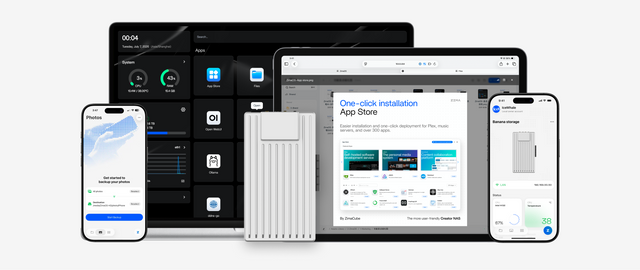
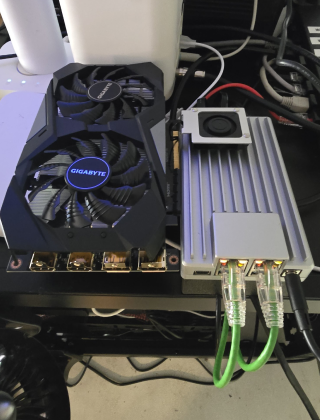
The ZimaSpace guide on choosing the first three home-server services can define the next stage after the first workflow is stable. A ZimaBoard 2 Mini Home Server fits a compact first-month app stack with deliberate attached storage. A ZimaCube 2 AI NAS is the stronger starting architecture when multi-drive family storage, snapshots, several users, and storage-first recovery are requirements from the first week.
A good first month ends with one service the household can use, one restore the owner has completed, and one documented reason for every additional component the server may add.

Recommended products

NAS & Server Setup
More to Read

A Local RAG Setup for Research Papers, Notes, and Private Documents
Keep original documents authoritative, make indexing repeatable, require citations, and separate replaceable models from private source data.
Why Are Developers Using a Gateway Node for Private DNS, VPN, and Test Apps?
A gateway node gives private apps one controlled name and access path, while compute nodes stay unexposed and replaceable.
How to Build a Reproducible App Stack With Compose Files, Secrets, and Persistent Data Separated
Keep Compose definitions portable, secrets protected, and app data independently backed up so the stack can be rebuilt on a clean host.


