
Why Do Family Media Libraries Need Separate User Profiles, Watch History, and Permissions?


Family media libraries need separate profiles because viewing progress, recommendations, content access, device limits, and administrative rights belong to different people.
A single television login may appear harmless, but one shared identity causes overwritten resume points, mixed recommendations, exposed mature libraries, unclear remote sessions, and accidental access to server settings. A good family media setup separates the physical media files from user-facing profiles: the server owns the library, each person owns their viewing state, and administrators alone control ingestion, permissions, and recovery.
Separate the Media Library From the Viewer Identity
The library contains movies, episodes, home videos, artwork, subtitles, and metadata. A user profile contains watch progress, favorites, recommendations, playback settings, and access rights. These are different data roles and should not be merged merely because several people use one television.
CordCutting describes a media server as a central system that organizes personal media and serves it to client devices. That server-and-client separation explains why the shared library can remain centralized while the viewing experience stays personal.
Create a profile for every regular viewer, even when several people use one streaming device. Keep a separate administrator identity for library management. A shared guest profile can exist for visitors, but it should not become the household default.
Independent Watch History Prevents Resume and Recommendation Collisions
Watch history records what was started, completed, paused, or abandoned. When everyone uses one profile, one person’s episode can replace another’s resume point, and recommendations reflect the combined habits of adults and children. The interface becomes less useful as the library gains users.
CordCutting notes that streaming services use separate profiles so individual preferences and viewing history do not interfere with one another. That profile-specific history model applies equally to a self-hosted family media server.
Preserve history as application state, not as part of the video files. Back up the media database and profile records consistently. If the application is replaced, restoring only the movie folders should not be mistaken for restoring the family’s viewing experience.
Separate histories also make account removal predictable. When a guest stops using the server or a child receives a new account, the administrator can decide whether to preserve, transfer, or delete only that profile’s state. A shared profile offers no clean way to separate one person’s activity from everyone else’s.
Permissions Decide Which Libraries Each Profile Can See
A child’s profile may need cartoons, approved movies, and family videos but not mature content, private home recordings, or the raw upload area. An adult profile may see more libraries without receiving permission to delete originals or change server settings.
Common Sense Media recommends creating individual child profiles and applying age-based viewing restrictions and profile locks. That profile-plus-content-restriction model provides a usable household pattern even when the media is self-hosted.
| Profile type | Visible libraries | Administrative rights |
|---|---|---|
| Adult viewer | Approved general and adult libraries | None by default |
| Child viewer | Curated children’s and family libraries | No library or server management |
| Guest | Selected shared media only | No history export, deletion, or settings |
| Media administrator | All required libraries | Ingest, metadata, users, backups, and recovery |
Use library-level access as the primary boundary rather than trusting ratings alone. A manually curated children’s library is easier to audit than a broad library whose visibility depends entirely on imperfect metadata.

Profile Locks Must Protect Adult and Administrative Paths
A child profile is useful only if switching into an unrestricted profile or creating a new account requires adult authorization. The television should open into an appropriate profile, while administrative and mature profiles remain protected by a PIN or separate credentials.
Common Sense Media explains that profile passcodes prevent children from entering adult profiles and that creating new profiles can also be restricted. That protected-profile-switching boundary is more important than hiding mature artwork from the home screen.
Keep the media administrator account off ordinary television devices where possible. A lost remote or shared tablet should not provide access to storage paths, deletion controls, remote-user management, or server settings.
Permissions Should Control Actions as Well as Visibility
Seeing a title, playing a file, downloading an offline copy, deleting an item, editing metadata, and inviting a remote user are different actions. A family profile may need playback and favorites without receiving file deletion or library-management rights.
TechTarget defines least privilege as limiting users and processes to the permissions strictly required for their purpose. That minimum-action permission model reduces the effect of a compromised profile or mistaken menu selection.
Apply the same rule to the media application’s service account. It may need read access to a movie library and write access to its own metadata database, but it should not be able to modify backup repositories or unrelated family documents.
Remote access adds another action boundary. A profile allowed on the living-room television does not automatically need downloads, remote streaming, or access from unmanaged devices. Grant those capabilities only when the household workflow requires them, and review active sessions so a lost phone or old television does not retain permanent access.
Separate Profiles Improve Privacy but Do Not Solve Every Child-Safety Issue
A local profile can separate watch history and limit visible libraries, but it does not automatically decide what is age appropriate, prevent every unsuitable subtitle or trailer, or replace household conversations about viewing choices. Metadata and ratings can be incomplete or wrong.
Common Sense Media notes that child profiles are designed mainly for content moderation and do not automatically solve wider privacy questions around viewing data. That content-control-versus-privacy distinction helps set realistic expectations for a family media server.
Curate children’s libraries manually, review newly added titles, and protect the app database because it contains viewing behavior. Decide whether history should be retained, backed up, or deleted when a profile is removed.
Treat ratings and profile rules as review aids rather than permanent truth. When new media is added, sample the artwork, subtitle language, extras, and assigned rating from the child profile itself. This catches mismatched metadata before the title becomes visible on every family device.
Back Up the Media Database Separately From Replaceable Media Files
The media files may occupy most of the capacity, but the database contains profile history, library assignments, favorites, artwork choices, and server settings. Losing it can preserve every movie while erasing the household experience and access boundaries built around those files.
TechTarget’s backup-testing tutorial emphasizes restoring data and validating that the application and users can function afterward. That functional media-server restore should verify both the library and its profile permissions.
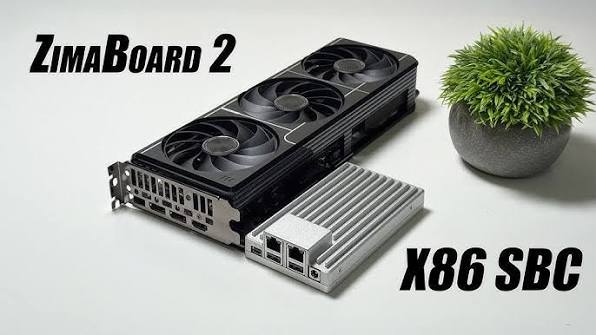
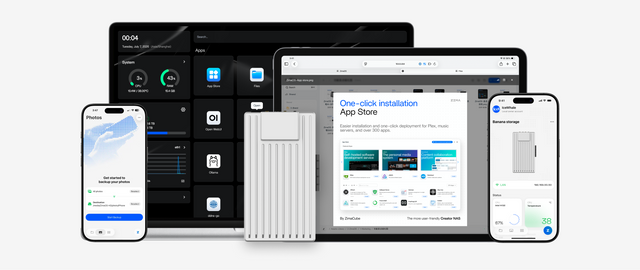
The ZimaSpace guide to building a home media server for movies and family videos connects storage, playback, permissions, and backup. A ZimaBoard 2 Mini Home Server fits a compact family media service with deliberate attached storage. A ZimaCube 2 AI NAS is the clearer base when several users, a growing multi-drive library, concurrent playback, and storage-first recovery are permanent requirements.
A family media library is correctly separated when every viewer can resume and discover content independently, while only administrators can change the library, storage, accounts, or recovery system.
Record the media application version and database location beside the backup. A database restored into an incompatible application build may fail even when the files are intact. Test recovery into a separate instance first, then verify profile names, library assignments, resume points, and restricted content before replacing the production database.

Recommended products

NAS & Server Setup
More to Read
A Local RAG Setup for Research Papers, Notes, and Private Documents
Keep original documents authoritative, make indexing repeatable, require citations, and separate replaceable models from private source data.
Why Are Developers Using a Gateway Node for Private DNS, VPN, and Test Apps?
A gateway node gives private apps one controlled name and access path, while compute nodes stay unexposed and replaceable.
How to Build a Reproducible App Stack With Compose Files, Secrets, and Persistent Data Separated
Keep Compose definitions portable, secrets protected, and app data independently backed up so the stack can be rebuilt on a clean host.


