
How to Build a Family Document Hub for Scans, Receipts, School Files, and Medical Records


A family document hub should combine a controlled scanning inbox, durable files, searchable metadata, private access boundaries, and tested recovery.
Scans, receipts, school records, and medical documents should not enter one unrestricted folder simply because they are all PDFs. The server must distinguish household records from person-specific information, preserve originals where necessary, keep OCR and indexes rebuildable, and let another authorized family member find the right document during an ordinary task or urgent event.
Define Document Classes, Owners, and Sensitivity Before Scanning
The hub should distinguish routine receipts, school files, household records, and sensitive person-specific documents. Medical records, identity documents, and financial statements require tighter access than appliance manuals or shared school calendars. Every category needs an owner, normal readers, retention rule, and recovery priority.
Family Folder’s medical-record organization guide recommends a consistent structure for each person, including summaries, vaccinations, prescriptions, reports, and insurance. That person-centered record structure demonstrates why a family hub should not place every health document into one unrestricted household folder.
| Document class | Owner | Normal access | Typical retention approach |
|---|---|---|---|
| Receipts and warranties | Household or purchaser | Relevant adults | Keep through return, warranty, tax, or asset period |
| School files | Child or guardian | Child and approved adults | Keep active work separate from permanent records |
| Medical records | Named person or guardian | Person and authorized caregiver | Retain current summaries and important history |
| Identity and legal records | Named person or household | Tightly limited adults | Preserve originals where required |
Create the classification before selecting folders or software. A document may be searchable by the whole household while another remains visible only to one adult. Sensitivity and ownership should determine the access path, not whichever scanner or app captured the file.
Build One Intake Queue for Paper, Email, and Phone Scans
New records arrive as paper, email attachments, portal downloads, screenshots, and phone photos. Send them into an intake queue rather than immediately filing them into the permanent archive. The queue is where someone verifies legibility, page order, dates, ownership, duplicates, and whether the paper original must remain.
The Library of Congress personal archiving material recommends scanning collections, using descriptive filenames, and keeping the highest-quality useful copy. That scan-review-describe workflow supports a controlled intake stage rather than a folder full of unverified camera images.
Use a repeatable intake schedule, such as weekly or after each school and medical event. Correct rotation, combine multi-page records, remove blank pages, and confirm that fine print is readable. A scan is not archived until a second person could understand what it is without seeing the original envelope.
Use Dates, Names, and Metadata That Survive the Document App
Folders and filenames should remain understandable if the indexing application disappears. A stable pattern might include document date, family member or household area, source, and subject. Avoid names such as scan001.pdf, new.pdf, or a device-generated timestamp that does not match the record date.
University College London’s electronic-record naming guidance stresses that consistent names make documents easier to search and retrieve. That consistent naming convention gives the family archive a durable layer outside OCR and proprietary tags.
Store useful metadata such as family member, category, provider, school year, tax year, expiration date, and review date. Keep the original file and a normalized searchable copy when conversion is necessary. The filename should identify the record, while metadata supports several ways to find it.

Separate Shared Household Records From Private Person Records
A home repair invoice may belong in a household area, while a medical report belongs to one person. Children may need their school files but not insurance claims or adult tax records. The document application, file shares, and backup restores should preserve those distinctions.
HHS notes that medical records are normally accessible to the individual or an authorized personal representative. That person-specific medical access boundary supports private per-person storage rather than broad family visibility.
Use individual accounts and small groups such as household-adults, school-files, or authorized-caregivers. Keep the document service account limited to its archive and index paths. Administrative databases, credentials, and backup catalogs should remain outside everyday document browsing.
Decide Which Paper Originals Must Remain
Digitization improves access and backup, but it does not automatically make every original disposable. Identity records, signed legal documents, certificates, titles, and records with seals or physical annotations may still need paper retention. Routine receipts and reference copies may be candidates for removal after verification.
IRS recordkeeping guidance explains that retention depends on the event or action a document supports. That event-based retention principle is a better model than deleting all paper immediately after scanning.
Create three outcomes at intake: retain original, retain temporarily, or securely dispose after verification. Label the physical archive with the same categories used digitally. The family server should record where an important original is stored rather than pretending the scan replaces it in every legal or practical situation.
Add OCR and Search Without Making the Index the Only Archive
Full-text search can find a doctor, merchant, school, medication, serial number, or phrase inside thousands of pages. OCR output can be wrong, especially with handwriting, faint receipts, skewed pages, or unusual layouts. Search should improve discovery without changing the authoritative scanned file.
TechTarget’s document-management selection guide identifies capture, indexing, metadata, version control, provenance, and security as core capabilities. That capture-index-version-control model fits a family hub that must remain searchable and recoverable.
Keep OCR text and generated previews rebuildable. Test searches using terms ordinary family members will remember rather than only exact filenames. Correct high-value metadata manually, particularly names, dates, expiration fields, and medical summaries.
Protect the Hub With Versions, an Off-Site Copy, and Recovery Keys
The document hub contains concentrated private information, so accidental deletion, ransomware, account compromise, or server loss affects the whole household. Snapshots and versions help with mistakes, but an independent copy is still required. Encryption keys and recovery credentials must not exist only inside the server they unlock.
Backblaze’s 3-2-1 strategy separates the active archive from additional local and off-site copies. That independent family-record copy provides the recovery boundary for sensitive scans and records.
Back up originals, normalized copies, metadata, user permissions, app configuration, and any database needed to rebuild search. Store the minimum recovery key and runbook outside the server. Test one private-person restore and one shared household restore to confirm that access rules survive.
Test Retrieval During an Urgent Household Scenario
A well-organized archive can still fail if only one person understands it. Test realistic questions: find the current allergy summary, retrieve a school enrollment record, locate a receipt for a warranty claim, or provide an insurance document while away from home. Measure whether an authorized family member can complete the task without administrator help.
WIRED’s backup guidance emphasizes identifying important personal data and keeping recoverable copies rather than assuming scattered devices will remain available. That recoverable family-information inventory applies to both everyday retrieval and emergency handoff.
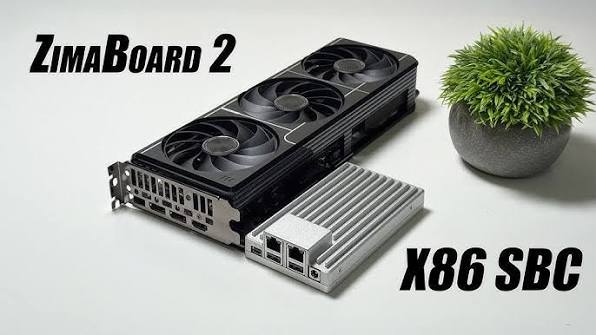
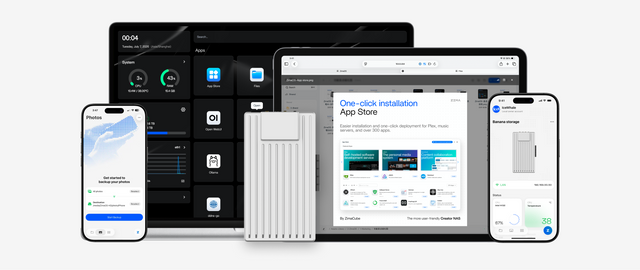
The ZimaSpace home server and private cloud planning guide provides the broader platform context. A ZimaBoard 2 Mini Home Server fits a compact compute-first setup with deliberate attached storage. A ZimaCube 2 AI NAS is the clearer base when several users, multi-drive capacity, longer retention, and storage-first recovery define the household system. The hub is ready when authorized people can find the correct version quickly, unauthorized users remain blocked, and the archive can be rebuilt without the original application.

Recommended products

NAS & Server Setup
More to Read
A Local RAG Setup for Research Papers, Notes, and Private Documents
Keep original documents authoritative, make indexing repeatable, require citations, and separate replaceable models from private source data.
Why Are Developers Using a Gateway Node for Private DNS, VPN, and Test Apps?
A gateway node gives private apps one controlled name and access path, while compute nodes stay unexposed and replaceable.
How to Build a Reproducible App Stack With Compose Files, Secrets, and Persistent Data Separated
Keep Compose definitions portable, secrets protected, and app data independently backed up so the stack can be rebuilt on a clean host.


