
부하가 높은 Docker 호스트에서 Plex 데이터베이스 경합을 줄이는 방법


경쟁 쓰기로부터 Plex의 앱 데이터 I/O를 보호하고, 데이터베이스를 공유 서비스가 아닌 Plex 전용 비공개 상태로 유지하여 Plex 데이터베이스 경합을 줄이세요.
다른 컨테이너가 백업, 인덱싱, 다운로드 또는 데이터베이스 작업을 시작할 때 Plex 탐색이나 라이브러리 작업이 느려지나요? Plex 내부 설정을 변경하기 전에 작업이 겹치는 동안 앱 데이터 디스크 지연 시간을 측정하세요. Plex는 서버 데이터 디렉터리 안에 자체 데이터베이스 파일을 사용하므로, Docker 호스트에서 실질적으로 조정할 수 있는 요소는 보통 데이터베이스 연결 풀을 늘리는 것이 아니라 스토리지 격리, 작업 일정 관리, 여유 공간 안정성입니다.
앱 데이터 I/O가 속도 저하의 원인인지 확인하기
Plex 라이브러리 작업은 로컬 데이터베이스와 메타데이터 경로에 의존하므로, CPU와 네트워크를 사용할 수 있는 상황에서도 쓰기 작업이 많은 인접 서비스로 인해 애플리케이션이 느려질 수 있습니다. 먼저 증상이 앱 데이터 장치의 디스크 지연 시간과 함께 나타나는지 확인하세요.
명시적인 컨테이너 리소스 제한이 없으면 인접 서비스가 동일한 피크 시간대에 CPU, 메모리 또는 스토리지 I/O를 사용할 수 있어 Plex 동작에 영향을 줄 수 있습니다. 이것이 Plex 데이터베이스 경합의 기준 상태입니다.
경쟁 쓰기 작업이 중단되는 즉시 Plex가 반응성을 되찾고 동일한 미디어가 평소 정상적으로 Direct Play된다면, 문제는 클라이언트나 트랜스코더가 아니라 공유 스토리지 경합일 가능성이 높습니다.
데이터베이스 경로를 대량 쓰기 작업과 분리하기
Plex 앱 데이터를 영구적인 저지연 경로에 배치하고, 동일한 장치를 공유하는 다른 컨테이너가 무엇인지 확인하세요. 작업이 겹치는 상황을 다시 만든 뒤 총 처리량뿐 아니라 디스크 대기 시간 또는 지연 시간도 관찰하세요.
Plex 데이터베이스 경합을 측정할 때 Plex는 자주 액세스하는 라이브러리 상태를 SQLite 데이터베이스에 저장하므로, 데이터베이스 지연 시간과 무결성은 대량 미디어 처리량과 별도로 평가해야 합니다.
Plex 데이터베이스는 Plex 인스턴스 전용으로 유지하세요. 다른 컨테이너에 데이터베이스 서비스로 노출하거나 여러 Plex 인스턴스가 동일한 라이브 데이터베이스 파일을 사용하도록 하지 마세요.
데이터베이스를 직접 수정하기 전에 호스트 조정하기
데이터베이스가 정상이라면 스토리지와 작업 일정 관리 변경부터 시작하세요. 경우에 따라 데이터베이스 최적화가 조각난 서버 상태에 도움이 될 수 있지만, 관련 없는 쓰기로 장치가 포화된 문제를 해결하지는 못합니다.
앱 데이터 볼륨에 여유 공간을 유지하고, 신뢰할 수 있는 로컬 스토리지를 사용할 수 있다면 라이브 데이터베이스 상태에 네트워크 파일 시스템을 사용하지 마세요. 빠른 순차 읽기·쓰기를 제공하는 공유 스토리지라도 애플리케이션 상태에 부적합한 지연 시간과 연결 끊김 동작을 보일 수 있습니다.
변경 후 동일한 작업 중첩 상황을 다시 테스트하고 Plex 컨테이너를 한 번 재시작하세요. 인접 작업이 예상 수준으로 실행되는 동안 탐색, 스캔, 상태 업데이트가 안정적으로 유지되면 수정이 성공한 것입니다.

경합이 반복되면 작업 부하를 분리하기
동일한 물리 스토리지 장치가 두 작업을 동시에 처리하지 못한다면 Plex 설정 조정을 중단하세요. 애플리케이션을 계속 최적화해도 스토리지 계층에 없는 I/O 처리 용량이 생기지는 않습니다.
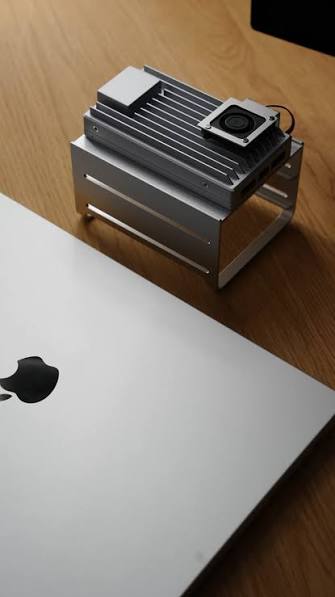
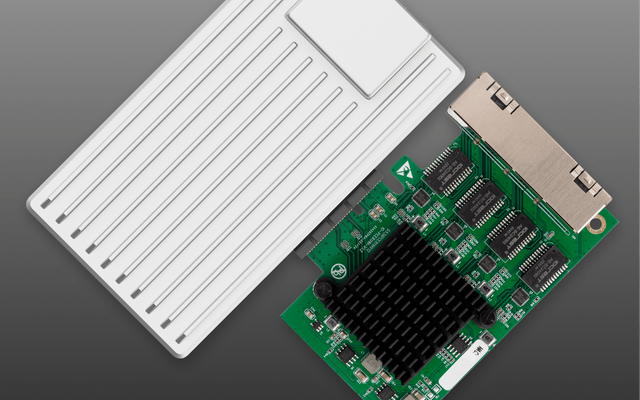
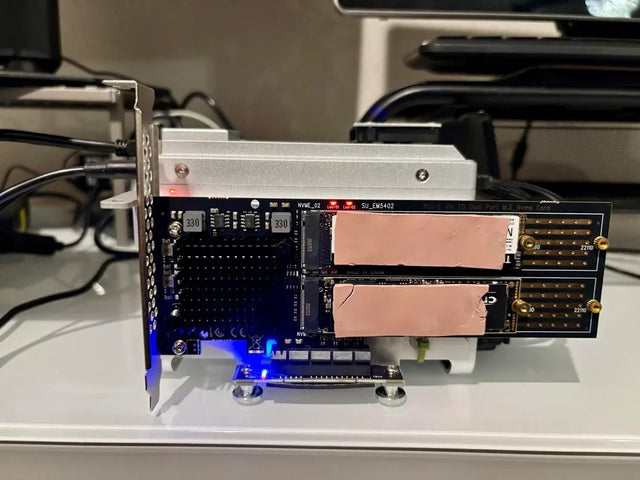
하드웨어 가속 미디어 스택은 컴퓨팅, 앱 데이터, 미디어 스토리지, 네트워크 역할을 별도로 정리해 두면 평가하기가 더 쉽습니다.
반복적인 경합이 계속되면 충돌하는 앱, Plex 앱 데이터 또는 쓰기 작업이 많은 작업 부하를 별도의 장치로 이동하세요. 서버가 느리다는 이유만으로 데이터베이스를 복구하지 말고, 무결성 문제나 손상 증거가 있을 때만 데이터베이스 복구를 진행하세요.
- 충돌하는 작업 중 앱 데이터 디스크 지연 시간 측정
- 쓰기 작업이 많은 컨테이너를 분리하거나 일정 조정
- Plex 데이터베이스를 하나의 라이브 서버 인스턴스 전용으로 유지
- 컨테이너 재시작 후 다시 테스트

추천 제품

지원 및 팁
더 읽어보기
라이브 TV 녹화 저장 공간, 보존 기간 및 정리 가이드
실제 녹화 데이터를 측정하고, 헤드룸을 확보하며, 보관 기간과 용량 제한을 함께 적용하고, 저장 공간이 가득 차기 전에 가장 오래된 조건 충족 프로그램이 삭제되는지 확인하세요.
데이터베이스 복원 후 홈 미디어 메타데이터 복구 워크플로우
복원된 상태를 보호하고 미디어 식별 정보와 경로를 확인한 다음, 메타데이터를 광범위하게 변경하기 전에 파일럿 라이브러리에서 누락된 아트워크나 일치 항목을 복구하세요.
오디오, 비디오 및 자막용 Jellyfin 클라이언트 호환성 체크리스트
대표 파일을 한 번에 하나의 변수만 테스트하고, 모든 클라이언트에 대해 Direct Play, 리먹스, 오디오 변환, 비디오 트랜스코딩 또는 실패를 기록하세요.


