
Private AI for Freelance Creators: How Local Search Changes Asset Reuse


Local AI search changes asset reuse by finding files through visual meaning, spoken content, and project context instead of filenames and folder memory alone.
A freelance creator may have years of raw footage, thumbnails, music stems, logos, drafts, and exports spread across project folders and external drives. The valuable shot often already exists, but nobody remembers its filename. A private index can expose that hidden inventory without sending client work or unreleased material to any third-party search service locally.
Semantic Indexing Recovers Assets That Filenames Hide
Creative filenames usually describe production state—such as `final_v7`, camera card, or export date—rather than what appears in the asset. Visual embeddings, transcripts, OCR, and audio features create alternate entry points. A query like “wide café shot with red awning” can retrieve material that no folder name contains.
A 2026 overview of visual and semantic search describes similarity, speech-to-text, and automated tagging as complementary ways to search images and video. That combination expands discovery beyond manually entered metadata.
The practical change is that reuse begins during search, not after opening dozens of projects. The creator can compare related shots, locate the original resolution, and identify matching b-roll before recreating it. Local processing keeps the asset library searchable even when offline.
Project Context Turns a Match Into a Reusable Candidate
Finding a visually similar clip is only the first step. Reuse depends on client, campaign, release status, license, model consent, aspect ratio, color grade, and whether the file is a source or rendered derivative. Search must join embeddings with structured production metadata.
A creator-workflow analysis notes that AI inside digital asset management can tag assets, enable semantic and visual retrieval, and surface rights information in the same working context.
That join changes the result from “looks relevant” to “can be reused here.” A local index can rank semantic similarity while filtering expired music, client-confidential footage, or low-resolution proxies. Search quality is therefore constrained by governance metadata as much as model quality.
Where Local Search Creates False Reuse Confidence
A model may group visually similar assets while missing a small logo, private face, licensed artwork, or contractual restriction. Duplicate exports can crowd out the camera original, and stale tags can make an obsolete brand element appear approved. Semantic relevance does not equal legal or editorial fitness.
Guidance on semantic media search emphasizes scene descriptions, transcripts, and collaboration metadata, but human selection still determines whether discovered footage fits the new story.
More indexing is not automatically more reuse. If provenance, ownership, and version relationships are missing, faster discovery can accelerate the wrong choice. Private processing protects file location, but it does not create permission to reuse client material.

Measure Reuse From Query to Approved Source
Select 50 past assets that could legitimately support new projects. Write natural visual, spoken, mood, object, and project-context queries, then record the correct source file, derivative relationship, rights status, and approved version.
Compare folder search, filename search, and local multimodal search while keeping the storage collection fixed. Use the home-storage search as a privacy baseline and measure Recall@10, time to approved source, duplicate rate, and rights-filter errors.
Keep the index only when it shortens discovery without surfacing prohibited material or hiding originals behind proxies. Require rights and client filters before ranking, preserve source-to-export lineage, and let creators exclude projects, delete embeddings, and rebuild the index locally.

Recommended products

Tech & AI HUB
More to Read

Local AI for Archivists: How Evidence Tracking Changes Collection Research
See how local AI can accelerate archival discovery without flattening provenance—and where interpretation, missing context, and access rules set limits.

Private Media Search for Video Editors: How Multimodal Indexing Changes Asset Discovery
Learn how scene-level indexing changes footage discovery, why timelines need multiple signals, and where exact metadata still beats semantic search.
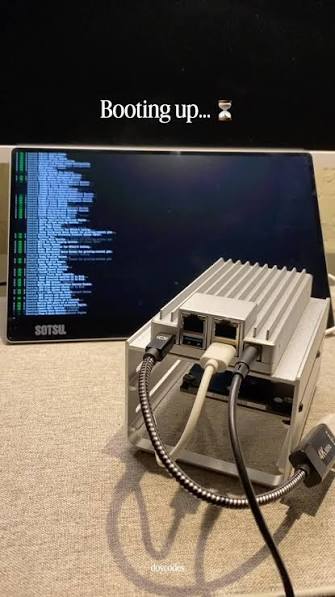
Home Server AI for Developers: How Self-Hosted Models Change Test and Debug Workflows
See how local inference changes debugging, regression tests, and code privacy—and where smaller models or hardware variance can mislead results.


