
Plex for a Shared Household: How Roles Change Data Access


A shared Plex household works best when user roles, library access, and device behavior are separated instead of hidden behind one login.
The account model changes who can see a library, which restrictions apply, and how activity is attributed across devices. A shared credential is simpler at first but collapses policy and identity into one boundary. Separate users create more administration while making access and troubleshooting more explicit.
Identity and Library Access Are Separate Decisions
A household role should answer two questions independently: who is this user, and which libraries should that user access? Conflating the two makes later restrictions or support work much harder.
Per-user Plex restrictions can change visible content without changing the underlying server or storage path.
Create one test user with intentionally limited access and verify the same media from a full-access account. If the server behaves differently only for the restricted account, keep the diagnosis in identity and policy.
Managed Users Have a Different Trust Boundary
Managed profiles are convenient inside a household but do not behave like fully independent accounts in every sharing scenario. That matters when libraries originate outside the home admin’s own server.
Access inherited by the home admin cannot simply be re-shared to every managed profile, which is visible in a managed-user access case.
Use managed users for the household situations they fit, but do not assume they replace independent accounts when external shares or direct sign-in matter.
Separate Accounts Improve Troubleshooting
When each person has a distinct identity, failures can follow a user, device, network, or media path. With one shared credential, those dimensions become harder to separate because every session appears under the same policy context.
Network route metrics already create enough path variation without adding identity ambiguity on top.
Reproduce one problem with the same user on two devices and then two users on one device. The variable that follows the failure tells you whether to continue with policy, client, or network. For remote members, compare permissions on the same remote Plex streaming path so account behavior is not confused with a different delivery path.

Household Design Should Match Recovery Needs
Account choice also affects what must be recreated after a restore. A recovery test should verify library permissions and representative user access, not only whether the admin account can open the server.
Complete restore testing includes application behavior after state is rebuilt, which should include the access boundaries users depend on.
After restoring a test instance, verify one unrestricted and one restricted account. Record any access step that is not preserved automatically so it becomes part of the recovery runbook.

Recommended products

Tech & AI HUB
More to Read
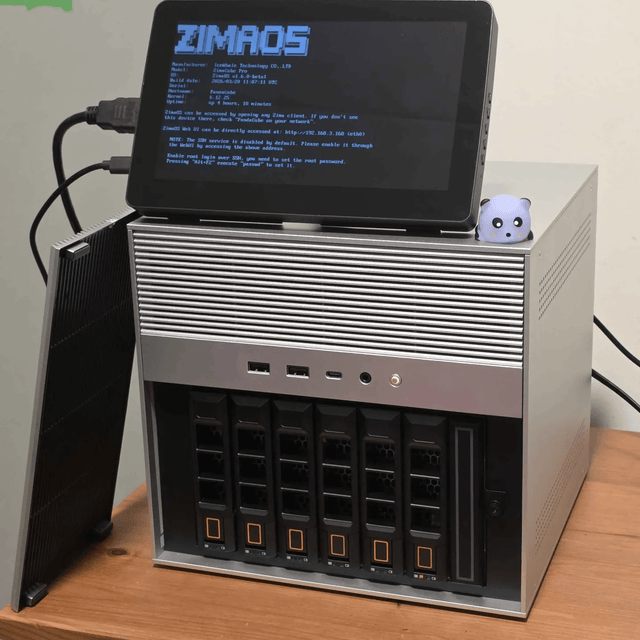
What Is Embedding Drift, and When Does a Private Search Index Need Rebuilding?
Decode model, preprocessing, corpus, and query drift; distinguish monitoring from incompatibility; and decide when a private index needs rebuilding.

What Is Tokenizer Compatibility, and Why Can It Break Model Switching?
Decode vocabulary identity, special-token semantics, chat templates, cached tokens, adapters, and compatibility checks for local model switching.
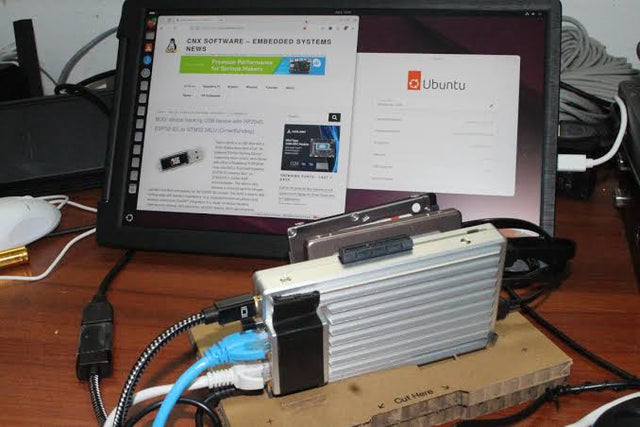
What Is Model Residency, and When Should a Local AI Service Keep Weights Loaded?
Decode weight residency, cache levels, cold starts, eviction, multiplexing, memory pressure, and when a home AI service should stay warm.


