
How Does NVMe Queue Depth Affect Vector Index Ingest Speed?


NVMe queue depth can raise vector ingest speed by exposing parallel storage work, but gains stop once another stage or the device saturates.
Embedding a large home archive creates vectors, metadata, graph edges, postings, temporary runs, and commit records rather than one sequential file. If the indexer submits only one write and waits, a fast NVMe device sits idle between commands. More outstanding requests can use its internal parallelism, although excessive depth lengthens queues and may hurt interactive searches sharing the same drive.
Queue Depth Measures Outstanding Commands, Not File Count
NVMe uses paired submission and completion queues. Queue depth is the number of commands that can remain outstanding, so it reflects storage concurrency after the filesystem and block layer have translated index operations into device requests.
The NVMe specification defines submission and completion queues that let host software submit multiple commands without waiting for each completion. This design can feed several controller channels, flash dies, and internal operations concurrently. This distinction remains visible during later household testing.
Opening many files does not guarantee useful depth. Synchronous application logic, small transactions, locks, or an fsync after every record can serialize the path long before requests reach the controller. The intermediate result must remain inspectable before automation follows.
Parallel Index Work Converts Depth Into Throughput
A vector ingest pipeline can batch document records, encode embeddings in parallel, build graph or inverted structures, and issue asynchronous writes. Enough independent work lets storage overlap program, erase, metadata, and transfer operations rather than exposing each latency serially.
SPDK's NVMe performance guidance emphasizes matching parallel NVMe queues and worker placement to the device and workload. Higher concurrency helps only when the application supplies independent I/O and the CPU can poll or process completions efficiently.
Index structure matters: append-heavy segment creation can scale with larger batches, while frequent graph mutations, WAL commits, or small metadata updates may remain CPU- or synchronization-bound. Queue depth cannot accelerate a stage that produces storage work too slowly.
Saturation Turns More Depth Into Waiting Time
Throughput rises until flash bandwidth, controller processing, PCIe, CPU, or the indexer's own serialization reaches capacity. Beyond that knee, additional commands wait longer without completing more bytes per second, increasing p99 latency and memory used for in-flight buffers.
A USENIX study of modern NVMe storage shows that NVMe host overhead depends on device architecture and host software overhead, not simply headline bandwidth. Short, concurrent requests can shift bottlenecks into CPU and I/O submission paths.
The failure boundary is a mixed workload where ingest shares the device with search, model loading, databases, or swapping. A depth that maximizes bulk ingest can make interactive reads unusable even when aggregate throughput looks excellent.

Find the Throughput Knee Without Hiding Search Latency
Run the same corpus at queue depths 1, 2, 4, 8, 16, 32, and 64 while holding embedding workers, batch size, index parameters, filesystem, and commit policy constant. That boundary should be measured separately under realistic operating conditions.
Compare small-file behavior with small-file indexing. Record vectors per second, bytes written, device utilization, average and p99 write latency, CPU time, fsync rate, memory, and concurrent search p99. The practical consequence appears when several sources compete for limited context.
Select the lowest depth near maximum sustainable ingest throughput that still meets interactive latency. If throughput stays flat from depth one, profile embedding, locking, compaction, and commit frequency before blaming NVMe. This dependency should remain explicit in the final interface.

Recommended products

Tech & AI HUB
More to Read
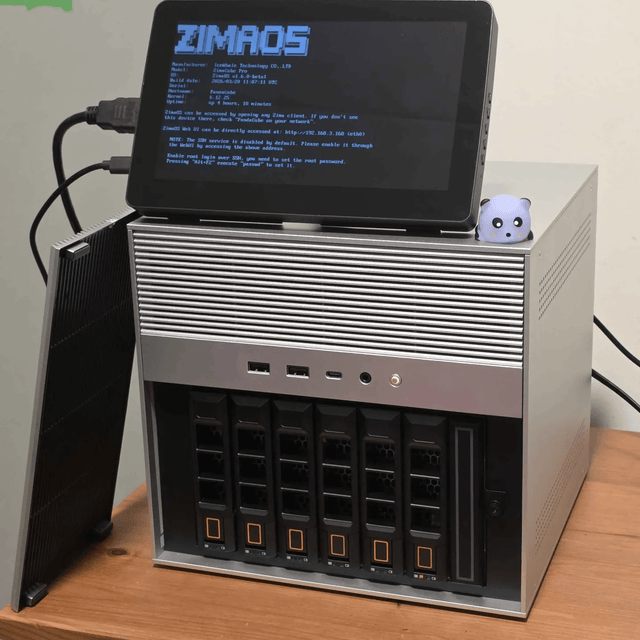
What Is Embedding Drift, and When Does a Private Search Index Need Rebuilding?
Decode model, preprocessing, corpus, and query drift; distinguish monitoring from incompatibility; and decide when a private index needs rebuilding.
What Is Tokenizer Compatibility, and Why Can It Break Model Switching?
Decode vocabulary identity, special-token semantics, chat templates, cached tokens, adapters, and compatibility checks for local model switching.
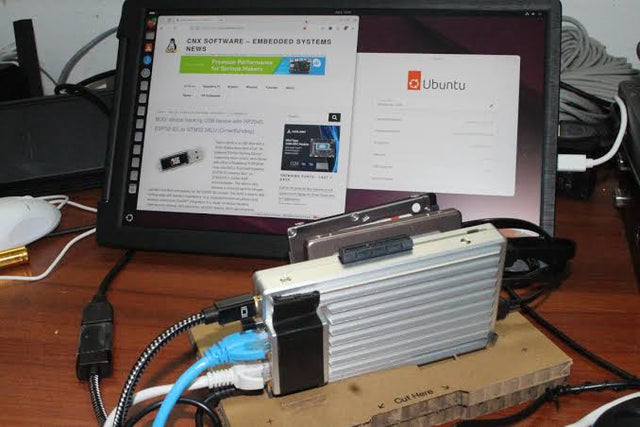
What Is Model Residency, and When Should a Local AI Service Keep Weights Loaded?
Decode weight residency, cache levels, cold starts, eviction, multiplexing, memory pressure, and when a home AI service should stay warm.


