
How to Set Up Docker Secrets Without Storing Them in Compose Files


Keep secret values outside Compose and source control; mount them as files with separate creation, rotation, and recovery ownership.
This matters in a home stack whose database password, API token, or TLS key is currently embedded in YAML or an environment block. The operational risk is that removing a value from Compose does not help if the secret file is world-readable, copied into backups indiscriminately, or exposed through logs. Start with a saved baseline, make one reversible change at a time, and stop whenever the observed branch no longer matches the intended configuration path.
Establish the Docker Compose Secrets Baseline
Before changing settings, record repository history, file permissions, container mounts, process environment, rotation age, and recovery access. Capture the original configuration and one production-like run so later improvements are compared with the same workload rather than memory or a synthetic idle state.
Use the current Compose secrets workflow to confirm the supported control and its semantics. Treat defaults as a known starting point, not proof that the setting matches this server, client mix, or recovery objective.
Define acceptance and stop conditions before editing. The acceptance signal must be visible in logs, protocol state, application output, or restored data; the stop condition must prevent wider access, data loss, resource exhaustion, or an outage that consumes the next recovery window.
Apply the Docker Compose Secrets Change in Controlled Stages
Step 1: Create a root- or service-owned secret file outside the project directory and restrict its mode. After the change, inspect the expected state immediately; if it does not appear, undo this step before applying the next one.
Step 2: Declare the file under top-level secrets and grant it only to services that need it, using the application _FILE convention where available. After the change, inspect the expected state immediately; if it does not appear, undo this step before applying the next one.
Step 3: Rotate one secret at a time and keep a tested emergency recovery path that does not place values back into YAML. After the change, inspect the expected state immediately; if it does not appear, undo this step before applying the next one.
secrets:
  db_password:
    file: /srv/secrets/db_password
services:
  db:
    secrets: [db_password]
Interpret the Pass, Fail, and Exception Branches
A pass means the value is absent from Compose, version control, inspectable environment variables, and unrelated containers. Record the exact workload, version, and timing that produced the result; a lighter test is not evidence that the original problem has been resolved.
A fail means the app prints the secret, cannot reload it, or a broad backup and share exposes the source file. Do not compensate by weakening every adjacent control. Return to the last clean baseline and isolate whether the mismatch belongs to identity, network, storage, application readiness, or capacity.
For an exception or ambiguous result, revoke the new value, restore the prior secret through the same protected channel, and remove leaked copies from history. Escalate only after the low-risk discriminator is repeatable and the evidence shows that a deeper platform or hardware change is necessary.

Verify Persistence Under the Original Home-Server Load
Repeat the same client path, file size, concurrency, sleep or reboot event, and competing workload used in the baseline. Run at least two cycles so a cache-warm success, one lucky reconnect, or a single clean startup is not mistaken for persistence.
Confirm both success and containment: the value is absent from Compose, version control, inspectable environment variables, and unrelated containers, while unrelated users, services, shares, and administrative paths keep their original behavior. Review the related ZimaSpace workflow when the change touches a neighboring storage, network, or recovery boundary.
Close the change only when the acceptance signal persists and the rollback remains usable. If the app prints the secret, cannot reload it, or a broad backup and share exposes the source file, stop automation, preserve logs and the saved configuration, and return to the last verified state rather than stacking more changes.
Query-Fanout FAQ, Closing Decision, and Final Test
These query-fanout questions cover the next decisions users commonly search after the main configuration works. They extend the boundary without introducing an untested repair path.
Apply each answer only when its condition matches the measured environment. Version, protocol, filesystem, client, and trust-boundary differences can change the correct branch.
Keep the answers with the runbook and update them after upgrades or topology changes. Any exception that expands write access, network reachability, or deletion authority requires a fresh rollback and recovery test.
Are Compose file secrets encrypted at rest?
Not automatically. Local Compose commonly bind-mounts a protected file, so host permissions and storage controls still matter.
Are environment variables acceptable for secrets?
They are convenient but easier to expose through inspection, debugging, and child processes. Prefer file-based input when the app supports it.
How should secrets be backed up?
Use a separately encrypted recovery package with restricted access, version inventory, and a tested restore process.
Conclusion: The configuration is complete when the value is absent from Compose, version control, inspectable environment variables, and unrelated containers, the failure branch is understood, and the documented rollback does not depend on the component being changed.
Final test protocol: restore the saved baseline, apply the approved change once, repeat the original production-like load, verify the success signal and containment boundary, then exercise rollback on disposable data. Keep the change only when all five observations agree.

Recommended products

Support & Tips
More to Read
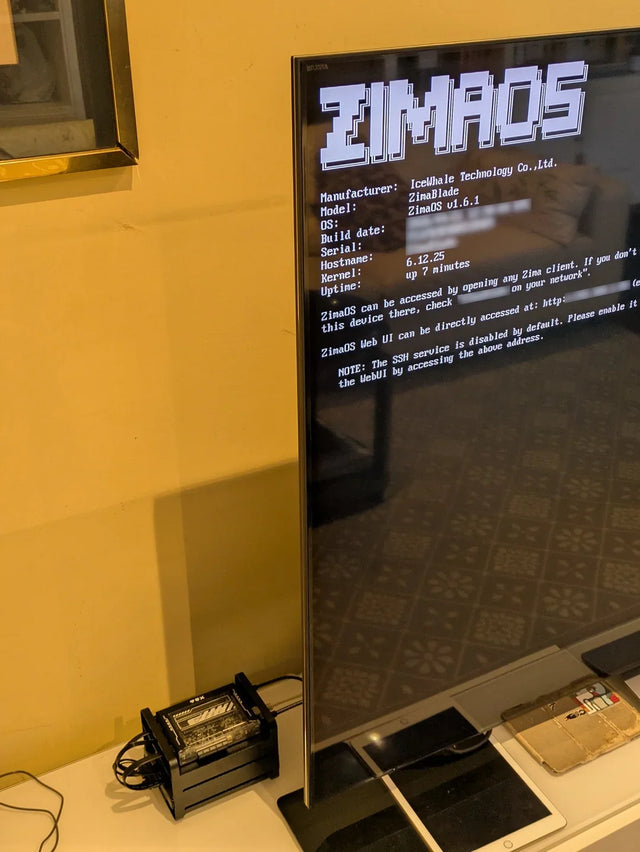
Why Does a Warm Mini PC Under the Desk Make a Small Office Uncomfortable?
Measure wall power and room temperature, clear the exhaust path, and compare placement before changing cooling hardware.
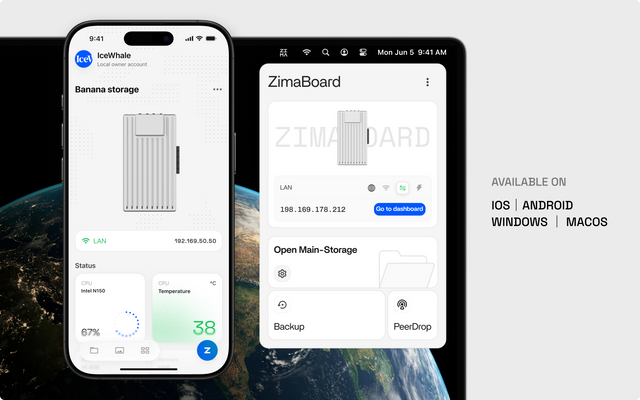
What Screen Distance Helps When Watching Several Server Dashboards?
Start at a comfortable arm's-length range, scale dashboard text, and verify posture instead of chasing one universal distance.
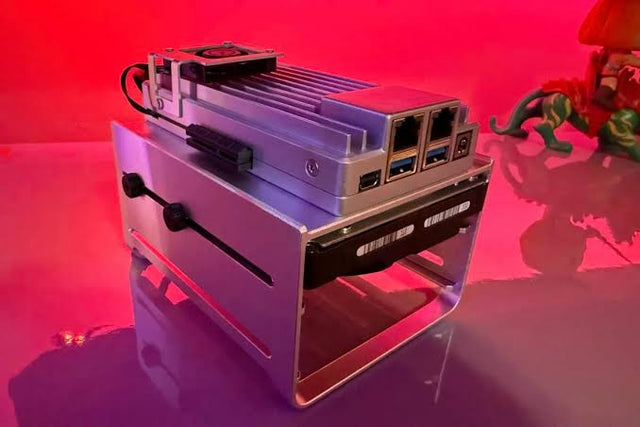
How to Reduce Glare When Reviewing Photos on a NAS-Connected Monitor
A controlled method for separating reflections from brightness and preserving consistent photo-review decisions.


