
Plex Database Backups vs File-Level Backups: Which Layer Does What?


Plex database backups and file-level backups are complementary, not interchangeable: one protects a narrow database recovery point, while the other can preserve the broader server state needed after a host or storage failure.
Start With the Recovery Scope
The built-in scheduled backup is designed around Plex database recovery. It is useful when the database becomes damaged or a recent library-state change needs to be rolled back, but it is not the same thing as copying the full server data directory.
Plex’s scheduled maintenance creates periodic database backups, making that layer fast and convenient for database-focused recovery.
Use this layer when the recovery target is the core library database. Do not assume it also preserves every metadata file, configuration artifact, or host-level path required to rebuild the server.
Database Backups Win for a Fast Database Rollback
A small database copy is easier to retain frequently and restore when the rest of the server state is healthy. That makes it a strong first recovery option for scoped database problems.
The scheduled task protects only the main Plex database, not a full image of the broader server state.
Keep several known-good database points outside the live database path when practical. Test the restore process before relying on the copies as the only recovery mechanism.
File-Level Backups Win for Host Replacement
A host migration or failed app-data device can require preferences, metadata, artwork, database files, and the rest of the Plex data directory to move together. Database-only recovery does not cover that wider state.
A Plex migration should keep viewstate, metadata, settings, and server data together so the restored host does not have to recreate the service from scratch.
Use file-level backup for the full Plex state that defines the server, and keep cache or other rebuildable data out of the backup only when you have verified it is genuinely disposable.

The Better Plan Uses Both Layers
These methods protect different failure scopes, so forcing an either-or decision weakens recovery. Frequent database copies can shorten rollback distance, while periodic file-level backups protect the wider service.
Place those layers inside a broader backup and recovery design that also keeps at least one copy outside the live failure domain.
Choose database-only recovery for a scoped database problem, file-level recovery for host or state loss, and both when the Plex server matters enough that either failure class would be painful.

Recommended products

Product Comparisons
More to Read
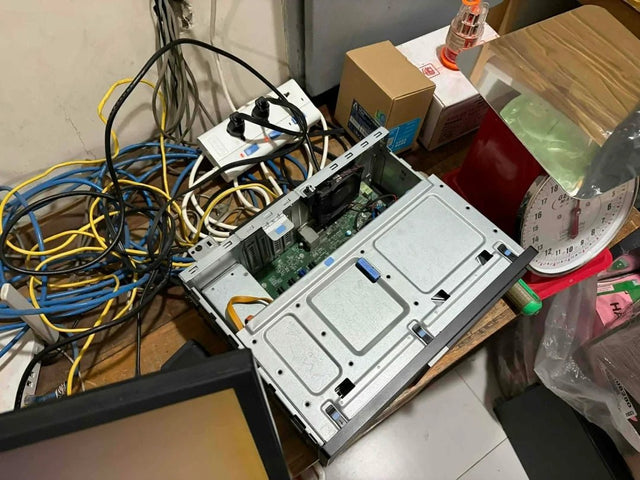
WireGuard Server vs Mesh VPN for Devices Behind CGNAT
Use mesh VPN for low-friction roaming devices; use a WireGuard relay when you want to own routing, keys, and the public endpoint.
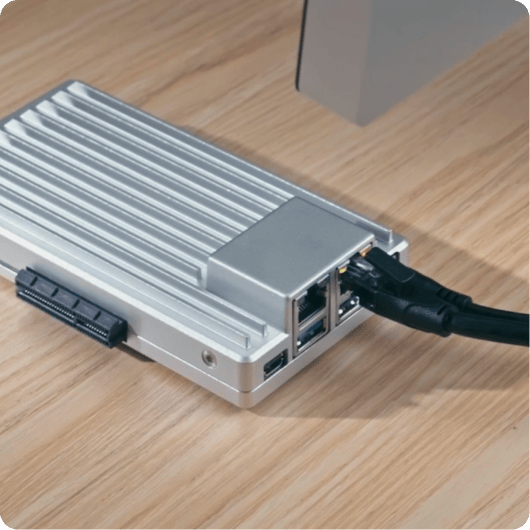
10GbE NAS on Gigabit Clients: Upgrade the Server or Endpoints First?
Upgrade the endpoint path for one slow workstation; upgrade the NAS uplink first when several gigabit clients saturate it together.
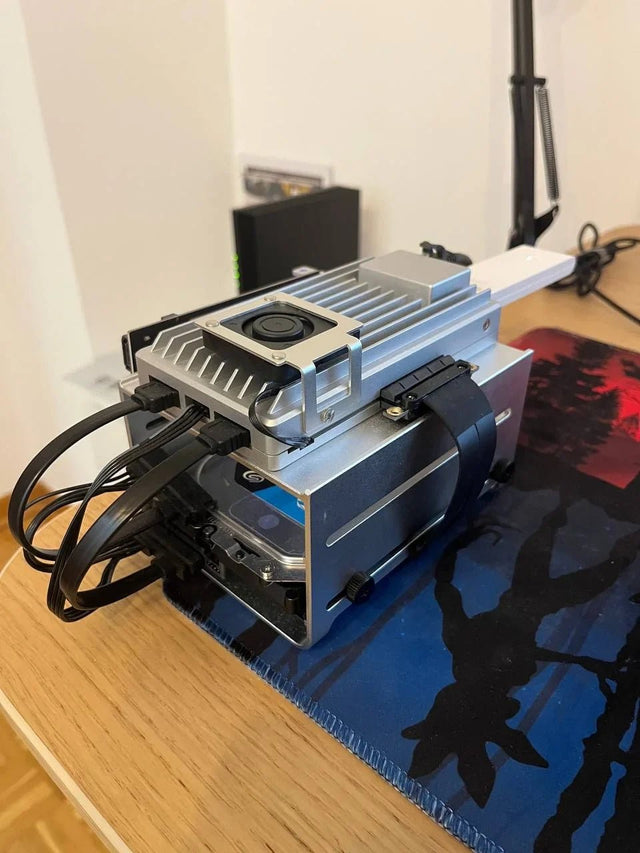
1GbE vs 2.5GbE for a Home Server: Which Workloads Cross the Line?
Keep 1GbE for light services and single streams; move to 2.5GbE when recurring transfers or combined clients sustain more than about 100 MB/s.


