
New Plex Server vs Old PC: Which Gives Better Long-Term Value?


Reuse the old PC when it already meets the workload at acceptable power and noise; buy new when efficiency, acceleration, storage, or reliability gaps are persistent.
Old PC Wins When It Already Meets the Playback Baseline
The cheapest server is often hardware you already own, provided it can Direct Play or transcode the household workload without creating a new constraint. Reuse also avoids paying for speculative headroom before you know what Plex actually needs.
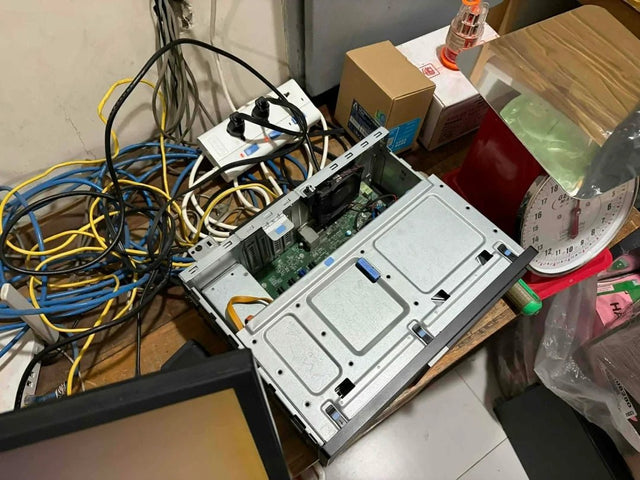
reused homelab hardware is most valuable when it already meets a measured workload and upgrade trigger.
Run your peak normal streams and background jobs on the old PC before shopping, then record saturation and playback failures. If the old PC stays comfortably within limits, defer the purchase and spend only on storage or backup that you actually need.
New Hardware Wins When 24/7 Power and Noise Add Up
A free desktop can still be expensive if it idles at high wall power, runs loud fans, or occupies inconvenient space every hour of the year. Long-term value needs operating cost as well as purchase price.
measured 24/7 mini-PC power makes wall draw and duty cycle more useful than TDP for annual energy cost.
Measure the old PC at the wall during idle and normal Plex use, then compare annual energy cost with a candidate system. If the payback period is longer than the expected ownership cycle, power savings alone do not justify buying new.
New Hardware Can Buy a Better Media Engine, Not Just More CPU
A newer low-power system may handle Plex conversion more efficiently because of its integrated video engine even when its general CPU looks modest. That can improve remote-stream capacity without moving to a large desktop processor.
Intel N100 hardware transcoding handled several simultaneous conversions without heavy CPU pressure in the tested setup.
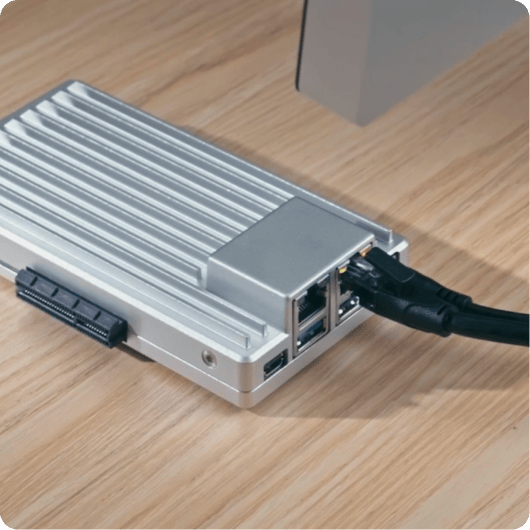
Compare the hardest required transcode on the old PC and the candidate while measuring CPU use, power, temperature, and playback stability. When the old PC Direct Plays everything and rarely transcodes, a newer media engine may add little practical value. A compact dedicated Plex host is most useful as a comparison point for power, size, and acceleration—not as an automatic replacement for reusable hardware.

Use Reliability and Expansion as the Final Tie-Breakers
An old PC can have mature, replaceable parts but aging storage interfaces or limited compact expansion; a new appliance can be efficient but more integrated. Value depends on which failure and growth path you prefer to own.
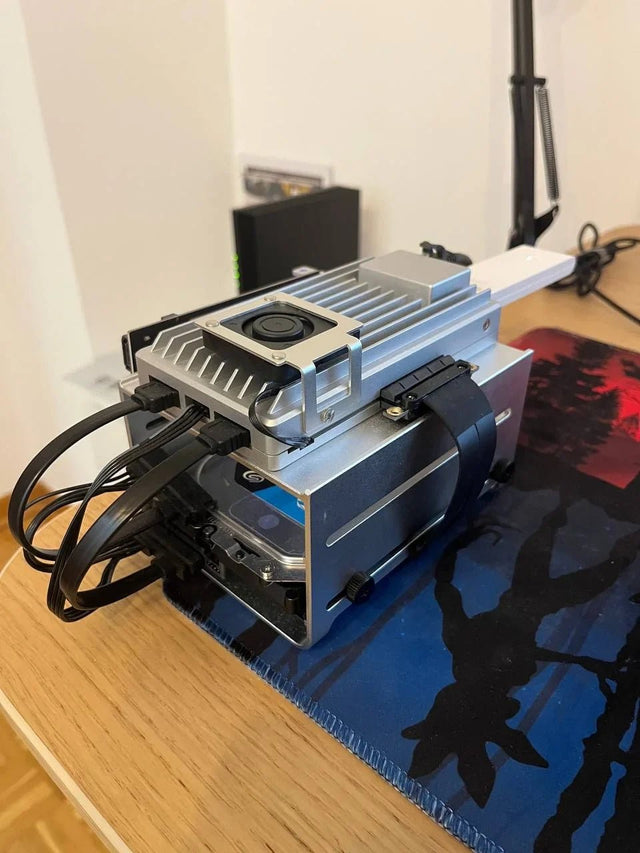
NAS expansion and networking options can constrain a media platform even when its CPU remains adequate.
Price the next storage expansion, backup path, likely replacement parts, and expected years of service for both options. If one option forces an early second purchase to meet a known storage or reliability need, include that cost in the comparison now.

Recommended products

Product Comparisons
More to Read
WireGuard Server vs Mesh VPN for Devices Behind CGNAT
Use mesh VPN for low-friction roaming devices; use a WireGuard relay when you want to own routing, keys, and the public endpoint.
10GbE NAS on Gigabit Clients: Upgrade the Server or Endpoints First?
Upgrade the endpoint path for one slow workstation; upgrade the NAS uplink first when several gigabit clients saturate it together.
1GbE vs 2.5GbE for a Home Server: Which Workloads Cross the Line?
Keep 1GbE for light services and single streams; move to 2.5GbE when recurring transfers or combined clients sustain more than about 100 MB/s.


