
A Home Server Setup for Students Learning Docker, Linux, and Networking


Start with one Linux host, one managed service network, and a small set of Docker Compose projects; add virtualization or VLANs only when a learning objective requires them.
The best student server is not the one with the most services. It is the one that can be rebuilt from notes, exposes how storage and networking actually work, and keeps coursework or family data outside the experimental failure path.
Define the Learning Outcomes Before the Hardware
Choose three outcomes for the first term: administering Linux, packaging services with Docker, and tracing traffic through DNS, IP addressing, routing, and ports. Hardware should support those exercises without becoming the course itself.
A first-hand student homelab build describes simplifying an overextended cluster into one Docker server after learning that extra nodes added heat and complexity without improving the lessons.
Use a modest x86 mini PC or reused laptop with hardware virtualization, upgradeable memory, wired Ethernet, and replaceable storage. Keep the initial design small enough that a student can explain every running service.
Separate Stable Services From Disposable Experiments
Keep DNS, time synchronization, remote access, and the management interface in a stable zone. Put test containers, intentionally broken firewall rules, and temporary web apps in a lab network that can be reset.
Do not run the only household DNS resolver inside the same Compose project used for experiments. A failed lesson should remove the lab, not the internet connection for everyone else.
Store Compose files, environment templates without secrets, firewall notes, and recovery commands in version control. The rebuild is part of the curriculum, not an emergency procedure.
Give Storage and Secrets Clear Roles
| Data role | Location | Recovery rule |
|---|---|---|
| Linux host | Small system SSD | Reinstall from notes |
| Container configs | Versioned project folder | Recreate from repository |
| Application state | Named datasets or volumes | Back up by value |
| Lab files | Disposable workspace | No backup required |
| Coursework and family data | Separate protected share | Independent backup |
Mount only the folders each container needs. Do not give a practice application write access to the backup destination or the root of a family share.
Keep passwords, API tokens, and private keys outside the Compose file. Record how a new secret is issued and how it is revoked after a project ends.

Build Networking Lessons in a Safe Order
Begin with a static lease, local DNS name, one Docker bridge, and one reverse proxy. Add a separate lab subnet or VLAN only after the student can trace a request from client to DNS, gateway, host port, and container.
A virtualized networking lab case shows the value of using isolated networks and a firewall VM to practice routing without changing the production LAN.
Document the management path before adding firewall rules. If the student cannot recover access from a wrong rule without resetting the whole server, the next networking layer is premature.
Test Rebuilds and Set Expansion Triggers
Rebuild one container from the repository, restore one stateful service, rotate one secret, and explain one packet path. These tests reveal more learning progress than uptime alone.
Add RAM when measured concurrent labs cause swapping, add SSD capacity when active datasets crowd the system disk, and add a second node only when a specific distributed-systems or availability exercise needs it. The home server OS selection guide can help keep the base platform aligned with the intended lessons.
Stop expanding when the student spends more time maintaining the platform than learning from it. Archive finished projects and return the host to a known baseline each term.
Final Setup Rule
The setup passes when every service has a named role, protected state, controlled access path, tested restore, and a measurable trigger for splitting or expanding the topology.

Recommended products

NAS & Server Setup
More to Read
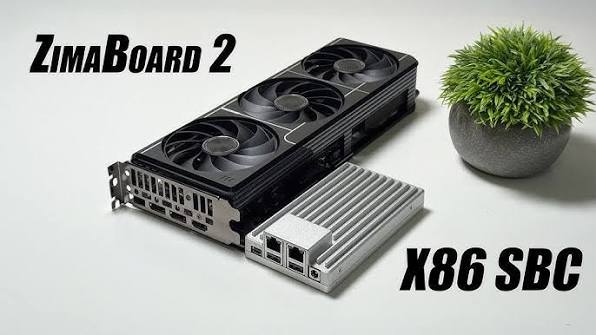
A Local RAG Setup for Research Papers, Notes, and Private Documents
Keep original documents authoritative, make indexing repeatable, require citations, and separate replaceable models from private source data.
Why Are Developers Using a Gateway Node for Private DNS, VPN, and Test Apps?
A gateway node gives private apps one controlled name and access path, while compute nodes stay unexposed and replaceable.
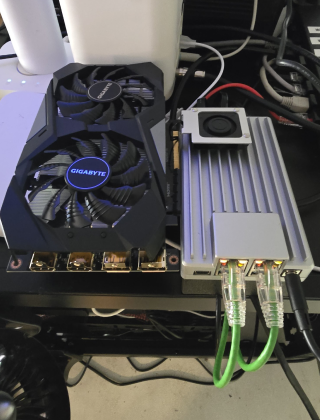
How to Build a Reproducible App Stack With Compose Files, Secrets, and Persistent Data Separated
Keep Compose definitions portable, secrets protected, and app data independently backed up so the stack can be rebuilt on a clean host.


