
How to Give a Remote Teammate Access to a Test Environment Without Publishing It


Use an identity-based private network, a dedicated test hostname, and least-privilege service access instead of publishing the environment through router ports.
The remote teammate should reach only the preview, API, or SSH path required for the task. The test host, storage management, databases, and other home services stay outside that path, and access can be revoked without reconfiguring the public internet edge.
Define the Exact Access Object
List what the teammate needs: a browser preview, API endpoint, SSH shell, database client, or file drop. Avoid granting an entire subnet when one service is enough.
Decide whether the environment is disposable and whether the teammate may change data. Create separate read-only, tester, and administrator roles where those actions differ.
Set a start date, expiry date, owner, and revocation method. Temporary access without an expiry becomes permanent infrastructure by accident.
Build One Private Connection Path
Install the private-network client on the teammate's device and the test host, or use a subnet router only when several internal services are truly required. Keep router port forwarding disabled.
An independent homelab private-access walkthrough shows how a mesh VPN can provide remote reachability without exposing the service publicly.
Do not enable a public sharing or funnel feature for a task that requires private membership. Verify from an external network that the public IP and hostname do not answer on the test port.
Scope Identity, DNS, and Firewall Rules
| Layer | Allowed | Blocked |
|---|---|---|
| Identity | Named teammate account | Shared household account |
| DNS | Test hostname only | Storage and admin names |
| Network | Required service port | Management and backup VLANs |
| Application | Tester role | Host administrator |
| Time | Task window | Indefinite membership |
Use policy rules that bind the teammate's identity or device to the test service. Local firewall rules should still reject unrelated ports even when the private network can route to the host.
A practical private SSH access design demonstrates the value of giving a server no public address while retaining remote administration through the encrypted overlay.

Separate Test Data From Home and Production Data
Clone only the minimum data needed for the test. Remove real credentials, personal records, and production tokens. Use synthetic accounts and replace outbound email or payment integrations with test endpoints.
Place the environment in a VM, container network, or isolated host role that cannot mount family storage or backup destinations. The teammate's access should not inherit the host's broader filesystem rights.
Snapshot or export the test state before collaboration. That provides a rollback point without treating the snapshot as a long-term backup.
Validate and Revoke the Path
Test from the teammate's actual network: resolve the private hostname, reach the intended service, confirm blocked ports, exercise reconnect after sleep, and record application logs. Also verify that removing membership immediately ends access.
After the task, revoke the account or device, rotate any shared test secret, remove temporary DNS and firewall rules, and delete sensitive cloned data. Keep only the reproducible environment definition.
If shared files are part of the workflow, the SMB and NFS client-fit comparison helps choose a scoped mount. Stop and redesign if access requires publishing an admin interface or sharing a general host credential.
Final Setup Rule
The setup passes when every service has a named role, protected state, controlled access path, tested restore, and a measurable trigger for splitting or expanding the topology.

Recommended products

NAS & Server Setup
More to Read

A Local RAG Setup for Research Papers, Notes, and Private Documents
Keep original documents authoritative, make indexing repeatable, require citations, and separate replaceable models from private source data.
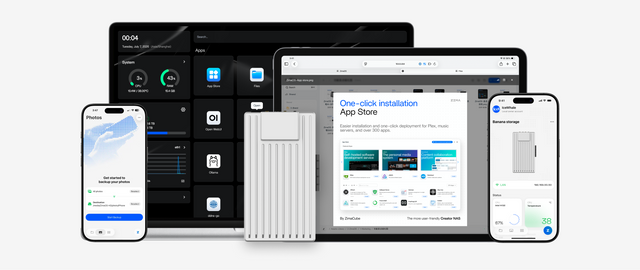
Why Are Developers Using a Gateway Node for Private DNS, VPN, and Test Apps?
A gateway node gives private apps one controlled name and access path, while compute nodes stay unexposed and replaceable.
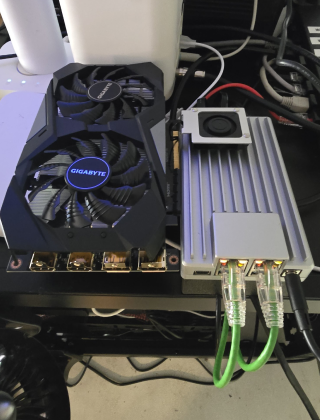
How to Build a Reproducible App Stack With Compose Files, Secrets, and Persistent Data Separated
Keep Compose definitions portable, secrets protected, and app data independently backed up so the stack can be rebuilt on a clean host.


