
Why Is Home Assistant Expanding Local Processing?


Home Assistant is expanding local processing because smart-home data and control are unusually sensitive to latency, availability, privacy, and vendor dependency. A light switch should not need a remote data center to work, and a household should be able to decide whether voice recordings, occupancy, energy use, and device history leave the home.
This does not mean Home Assistant is trying to eliminate the cloud. The direction is local-first: keep core control and data processing local where practical, then let cloud services remain optional for features that benefit from remote compute, remote access, or broader AI capability.
Local Processing Keeps the Critical Control Path Independent
Home Assistant already runs on hardware in the home and prefers direct local communication when an integration supports it. Zigbee, Z-Wave, Matter, Thread, ESPHome, and local LAN APIs can continue working without sending every command through a vendor cloud.
Home Assistant's current privacy guidance states that Home Assistant stores data locally and uses direct local communication whenever the device supports it. Optional Home Assistant Cloud services are enabled only when the user chooses them.
The result is not merely faster commands. A local control path creates a clearer failure boundary: an internet outage can remove remote access or a cloud-only integration while local lights, sensors, and automations remain available.
Privacy Pushes Data Processing Closer to Where the Data Is Created
Smart-home data can reveal presence, sleep patterns, energy use, security events, media habits, and routines. Processing that data locally reduces the number of third parties that need to receive it and gives the household more direct control over retention and deletion.
The Open Home Foundation's privacy position argues that smart-home data should default to a user-controlled, local-first model, with local storage and processing wherever feasible and cloud functions remaining opt-in.
This principle changes architecture choices. A cloud API may still be useful, but it should be an optional enhancement rather than the only path to operate a device the household already owns.
Voice Shows the Tradeoff Between Local Compute and Cloud Convenience
Voice processing makes the hardware tradeoff visible. Speech-to-text and text-to-speech can run locally, but open-ended speech models require more CPU, memory, or accelerator capacity than a simple home-control phrase matcher.
Home Assistant's current local voice guide separates fast focused local speech processing from heavier fully local speech models. Speech-to-Phrase can run on relatively modest hardware for supported home-control phrases, while more general speech recognition needs more compute.
That design makes local processing a spectrum rather than a slogan. The user can keep the fast critical command path local while choosing whether larger models run on a more powerful home server or in an optional cloud service.

Local AI Makes Home-Server Resources More Important
As voice, vision, local language models, and richer automations move into the home, Home Assistant can coordinate processing that previously lived only in vendor services. That increases the value of local GPUs, NPUs, memory headroom, and explicit workload isolation.
The ZimaSpace analysis of local AI beside Home Assistant and NAS services shows the practical consequence: local inference improves data control and autonomy but creates a new shared-resource boundary around deterministic home automation.
The smart-home controller should not become less reliable merely because the home server is also generating a vision summary or running a language model. Local processing works best when high-priority control remains isolated from optional heavy compute.
Open Local Protocols Reduce Vendor Lock-In
Local processing also pairs naturally with open or locally operable protocols. When devices expose stable local communication, Home Assistant can continue coordinating them even if a vendor changes its app, subscription, or cloud service.
The Open Home Foundation describes Home Assistant and related projects as part of a broader push for privacy, choice, open standards, and local APIs across smart-home platforms. That direction makes local processing both a technical and an interoperability strategy.
The Direction Is Local-First, Not Local-Only
- Lights, locks, and climate: keep command decisions local for low latency and outage tolerance; remote access can remain an optional cloud or VPN path.
- Sensor and history data: local storage preserves direct ownership, while off-site backup or remote analytics can remain separate choices.
- Voice home control: common commands can stay private and fast locally, while broader speech models may use stronger local hardware or optional cloud compute.
- Vision and LLM features: sensitive context can remain in the home when local accelerators are available; cloud models remain a capacity tradeoff rather than a control dependency.
- Notifications: the event decision can happen locally even when final delivery to a phone away from home requires the internet.
Home Assistant is therefore moving toward more local processing because the home is a place where control and data autonomy matter unusually much. The stronger architecture keeps essential behavior local, lets heavier optional features use local or cloud compute by choice, and avoids turning connectivity to one outside service into the foundation of the entire house.

Recommended products

Tech & AI HUB
More to Read
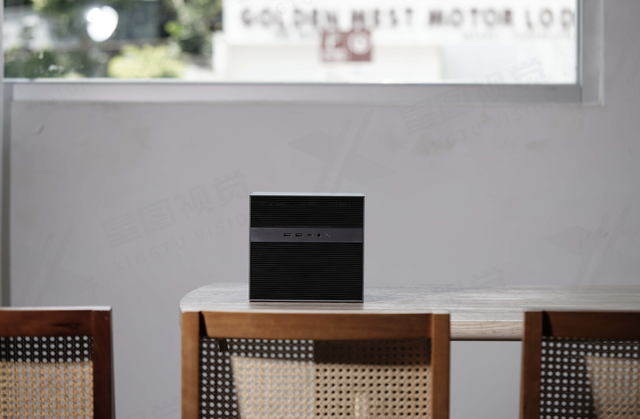
Can a Local AI Gateway Enforce a Hard Context Limit Before GPU Allocation?
A mechanism-first explanation of hard context gate, its shared-resource tradeoffs, three query-fanout FAQs, and a practical verification protocol.
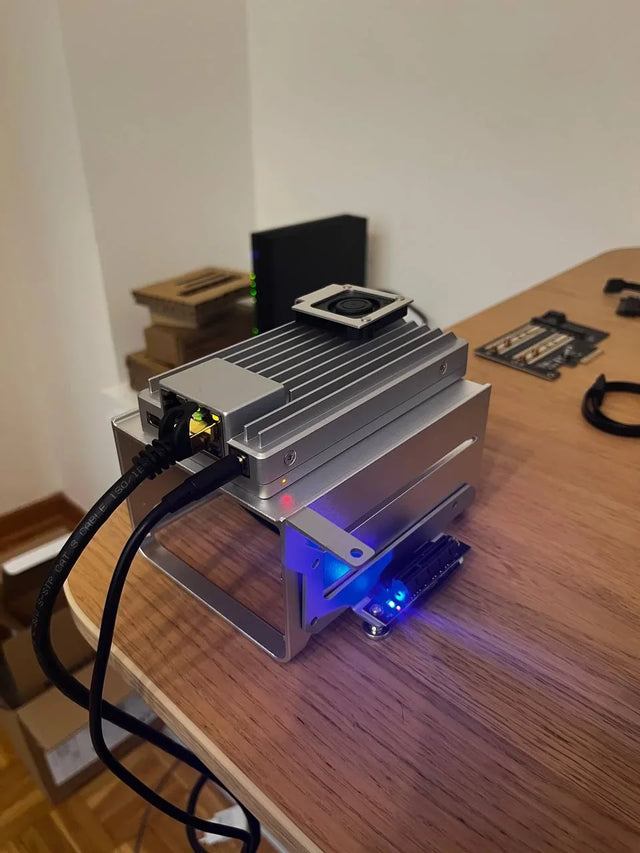
Can a Home AI Server Memory-Map Model Weights From a Remote NAS Over 2.5GbE?
A mechanism-first explanation of remote nas model memory mapping, its shared-resource tradeoffs, three query-fanout FAQs, and a practical verification protocol.
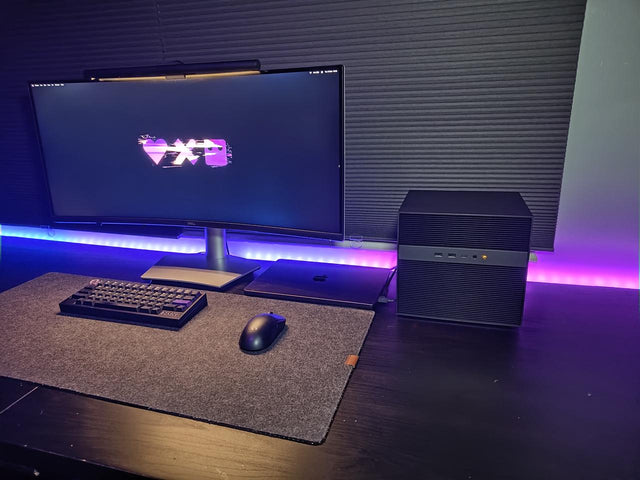
Can Multiple Containers Share One Integrated GPU Without Leaking Workloads?
A mechanism-first explanation of shared igpu container isolation, its shared-resource tradeoffs, three query-fanout FAQs, and a practical verification protocol.


