
How to Access Your Home NAS Remotely Without Exposing Everything


Quick Answer
The safest way to access your home NAS remotely is to avoid exposing the whole device to the public internet. Instead of opening many router ports or publishing the NAS admin dashboard, use a controlled access path such as a private VPN, mesh VPN, secure tunnel, or authenticated reverse proxy.
For most home users, the safest pattern is:
-
Keep the NAS management interface private.
-
Access files through a private or encrypted access path.
-
Expose only the file share or app you actually need.
-
Use separate user accounts and limited permissions.
-
Turn on strong authentication where possible.
-
Check logs, connected devices, and remote access settings regularly.
Remote access should not mean “make the NAS reachable by anyone on the internet.” It should mean “let the right device or user reach the right service with the smallest possible exposure.”
What Does Safe Remote NAS Access Really Mean?
Safe remote NAS access means you can reach your files or apps from outside your home network without making the entire NAS publicly reachable. The goal is to control the access boundary: who can connect, what they can reach, how they connect, and what remains hidden.
A safe setup usually separates three things:
-
file access, such as SMB, SFTP, WebDAV, or app-based file browsing;
-
app access, such as a media server, photo gallery, or private dashboard;
-
admin access, such as the NAS management interface.
Why Directly Exposing a NAS Is Risky
Direct exposure usually means router port forwarding, UPnP-created rules, or a public login page that anyone on the internet can attempt to reach. This may feel simple, but it creates a larger attack surface than many home users expect.
A better rule is: remote access should be designed around the smallest necessary opening. If you only need one file service, do not expose the entire NAS. If you only need personal access from your own devices, do not create a public web entry point.
Open Ports Can Expose More Than You Intended
A forwarded port creates a direct path from the internet to a service inside your home network. If that service is misconfigured, outdated, or protected by weak credentials, the risk increases.
Open ports are not automatically dangerous in every possible setup, but they require ongoing maintenance. You need to know which service is exposed, what software is listening, how authentication works, and whether the exposed service is patched.
A practical remote access guide from ZimaSpace also warns that quick port forwarding can turn a home server into a security maintenance burden because exposed services may be probed for weak credentials, outdated software, or configuration mistakes. Its secure home server remote access guide frames overlay VPNs, WireGuard, reverse proxies, permissions, and troubleshooting as separate decisions rather than one generic “open a port” solution.
Admin Dashboards Should Not Be Public Entry Points
The NAS admin dashboard is usually the most sensitive interface. It may allow account changes, storage configuration, app management, remote access settings, permissions, and sometimes destructive actions.
For most home setups, the admin dashboard should stay private. If you need remote admin access, restrict it to trusted devices, use strong authentication, and avoid using the same admin account for daily file access.
A safer pattern is to expose file access or a specific app while keeping the management interface behind a private network, VPN, or trusted access path.
UPnP and Default Accounts Can Increase Risk
UPnP can let devices or apps request router port openings automatically. That convenience can become a problem if a rule stays active after you forget about it or if an app opens more access than you expected.
Default accounts are another common weak point. If a NAS is reachable remotely and still uses a default admin name, weak password, or shared account, it becomes easier for automated login attempts or credential reuse to cause problems.
Before enabling remote access, disable unnecessary automatic port openings, remove default credentials, and use named users with limited permissions.
The Main Ways to Access a Home NAS Remotely
There are several ways to access a NAS remotely, but they do not expose the same amount of risk. The best method depends on whether you need private access for yourself, app access for others, or public access to a specific web service.
This is where The Remote Access Boundary Map helps. The point is not to choose the most advanced tool. The point is to define the access boundary before turning anything on.
| Boundary | Key Question | What It Helps You Decide | Safer Direction |
| User Boundary | Who needs remote access? | Whether access is only for you, family, collaborators, or public users | Limit access to known users first |
| Service Boundary | What exactly needs to be accessed? | Whether the need is file access, one app, several apps, or the NAS admin dashboard | Expose only the needed file path or app |
| Network Boundary | How does the remote connection reach the NAS? | Whether to use VPN, mesh VPN, secure tunnel, reverse proxy, or port forwarding | Prefer private or authenticated paths |
| Permission Boundary | What can each user do after connecting? | Whether access is read-only, read/write, app-specific, folder-specific, or admin-level | Avoid admin-level daily access |
| Exposure Boundary | What is visible from the public internet? | Whether router ports, login pages, UPnP, dashboards, or services are reachable publicly | Keep management interfaces private |
| Failure Boundary | Where should troubleshooting start when access fails? | Whether to check local NAS status, client connection, permissions, DNS, tunnel, VPN, router, or settings | Diagnose from local to remote |
Private VPN or Mesh VPN Access
A private VPN or mesh VPN creates a private network path between your remote device and your home NAS. This is often the best fit when the main user is you and the goal is private access to files, admin tools, or internal services.
Tailscale describes NAS access as a way to securely connect to NAS devices over WireGuard, with support depending on the NAS platform. Its Tailscale NAS remote access setup explains that the general pattern is to install Tailscale on the NAS, authorize it, and then connect through the private network from approved devices.
This type of access works well when every device that needs access can install and authenticate a client. It is less ideal when you need to share a web app with someone who cannot or should not join your private network.
Secure Tunnel for Specific Web Apps
A secure tunnel is useful when you want to expose one specific web app without opening your entire home network. For example, you may want remote access to a photo gallery, media dashboard, or private web service without exposing the NAS admin panel.
Cloudflare Tunnel uses an outbound-only connection model. The server-side daemon connects out to Cloudflare, and traffic is routed through that tunnel rather than requiring a publicly routable origin IP. Cloudflare’s Cloudflare Tunnel private network access model explains that this can allow origins to serve traffic through Cloudflare while blocking direct inbound access from other sources.
This is useful for app-level access, but it still needs authentication rules, HTTPS, access policies, and maintenance. A tunnel controls the network path; it does not automatically make every app safe.
Reverse Proxy With Authentication
A reverse proxy can route multiple internal web apps through one controlled entry point. It can also help manage HTTPS, hostnames, and centralized authentication.
This approach is more flexible, but it is also more complex. It is better suited to users who understand domains, certificates, proxy rules, authentication layers, and app-specific security settings.
For home NAS users, a reverse proxy should normally be paired with strong authentication and careful service selection. Do not use it to publish every internal dashboard without thinking about who should access each one.
Direct Port Forwarding and Why It Is Usually the Last Choice
Direct port forwarding can work, but it should usually be the last choice for beginners. It creates an inbound path from the public internet to a service on your home network.
If you must use port forwarding, keep the exposure narrow:
-
forward only the specific service you need;
-
avoid exposing admin dashboards;
-
do not rely on default credentials;
-
use strong authentication;
-
keep the service updated;
-
review router rules regularly;
-
disable unnecessary UPnP rules.
In many home NAS situations, a VPN, mesh VPN, or secure tunnel gives better control with less public exposure.
How to Choose the Right Remote Access Method
The right remote access method depends on users, services, client devices, and maintenance skill level. A method that is safe and simple for one person may be inconvenient for a family member or overbuilt for one small file share.
Use this decision order:
-
Identify who needs access.
-
Identify what they need to access.
-
Decide whether their devices can use a client app.
-
Decide whether the service must be public or private.
-
Choose the smallest access path that solves the problem.
-
Add authentication, permissions, and logging.
-
Test from outside the home network before relying on it.
Choose Based on Who Needs Access
If only you need remote access, a private VPN or mesh VPN is often the cleanest choice. You can authorize your laptop and phone, keep public exposure low, and access the NAS as if it were on a private network.
If family members need access, you may need a method that balances security and usability. Some users can install a VPN client; others may only be able to use a web browser or mobile app.
If external collaborators need access, avoid giving them broad network access. A single app, shared folder, or controlled web portal is usually safer than giving them access to the whole NAS environment.
Choose Based on What Needs to Be Accessed
Remote file access and web app access are different problems. File access may fit VPN, SFTP, SMB over a private network, or a vendor client. Web app access may fit a secure tunnel or reverse proxy.
The NAS admin dashboard should be treated separately. Even if you expose a media app or file service, that does not mean the admin interface should also be reachable.
The safer choice is usually to expose the narrowest service that matches the task.
Choose Based on Client Device Support
Some devices can install a VPN or mesh VPN client. Others, such as certain TVs, e-readers, shared computers, or locked-down office devices, may not support your preferred client.
If every remote device can install a client, private access is simpler. If some devices only support a browser, then a secure tunnel or authenticated web access may be more practical.
Client support should be decided before configuration. Otherwise, you may build a secure path that the intended user cannot actually use.
Choose Based on Your Maintenance Skill Level
Remote access adds maintenance. The more public and flexible the setup is, the more you need to manage updates, access rules, certificates, authentication, and troubleshooting.
For most beginners:
| Maintenance Level | Better Fit | Why |
| Low | Mesh VPN or vendor remote client | Easier to control known devices |
| Medium | Secure tunnel for one app | Useful for web access with limited exposure |
| Medium to high | Reverse proxy with authentication | Flexible but needs careful maintenance |
| High | Direct public service | Requires ongoing hardening and monitoring |
If you do not want to maintain public-facing services, do not build a public-facing setup.
What to Check Before Turning on Remote Access
Remote access should come after local access, accounts, permissions, router awareness, and backups. Turning on remote access first makes troubleshooting harder because you cannot tell whether the problem is local, remote, permission-related, or network-related.
A simple readiness checklist is:
-
The NAS works on the local network.
-
You can sign in with a non-admin daily account.
-
Shared folders or apps have limited permissions.
-
The router does not have unexpected open ports.
-
UPnP rules are understood or disabled.
-
Important data has at least one separate backup.
-
You know how to turn remote access off again.
Local Network Access Works First
Before testing from outside, confirm that the NAS works inside your home network. You should be able to access the intended file share, app, or dashboard locally.
This matters because remote access depends on the local service being available first. If the NAS is offline, the app is stopped, or the file share is broken locally, changing VPN or router settings will not fix the root problem.
Test local access from at least one trusted computer before enabling remote access.
User Accounts and Passwords Are Ready
Use named user accounts instead of one shared admin account. A remote access account should have only the access it needs.
Strong passwords matter, but account design matters too. A non-admin user for file access is safer than using an admin account for every device.
If the system supports MFA, device approval, or login protection, use it where practical.
Permissions Are Limited to the Right Folders or Apps
Permissions decide what a user can do after connection succeeds. A secure tunnel or VPN protects the path, but permissions protect the files and services behind that path.
For remote file access, limit users to the folders they need. For app access, limit users to the app they need. Avoid broad shares that include system paths, backups, or unrelated private files.
Remote access should not silently turn into full NAS access.
Router Ports and UPnP Are Under Control
Check your router before assuming remote access is safe. Look for active port forwarding rules, UPnP-created rules, exposed admin interfaces, and unknown services.
If you are using VPN, mesh VPN, or an outbound tunnel, you may not need inbound router ports. In that case, keeping unnecessary inbound rules closed reduces the public attack surface.
UPnP should be reviewed carefully because it can create hidden exposure without a user manually creating a port rule.
Backups Exist Before Remote Access Is Enabled
Remote access increases convenience, but it also increases the importance of backups. If files can be changed remotely, they can also be deleted, overwritten, or corrupted remotely.
Before enabling access for important files, decide where backups live and how restores will be tested. Backups are especially important if multiple users have write access.
How to Access Files Without Exposing Everything
The safest file access setup starts with a narrow goal. Do not begin with “make the NAS available online.” Begin with “I need this user to access this folder or this app from this device.”
From there, choose the smallest access method that works:
-
Use private VPN or mesh VPN for personal device access.
-
Use a secure tunnel for a specific web app.
-
Use a reverse proxy only when you can maintain authentication and HTTPS.
-
Avoid direct port forwarding unless you understand and accept the maintenance burden.
Keep the NAS Management Interface Private
The NAS management interface should usually stay behind the strongest boundary. It is not the same as a file share or media app.
If you need to manage the NAS remotely, restrict admin access to approved devices or a private network. Do not make the dashboard the default public entry point.
Daily file access should use a separate user account with limited permissions.
Expose Only the Service You Actually Need
If the goal is to access one app, expose one app. If the goal is to access one folder, expose one file access path. Avoid publishing the entire NAS because one feature needs remote access.
This is the Service Boundary from The Remote Access Boundary Map. The safer setup exposes the smallest useful service and keeps everything else private.
For example, a family photo gallery may need browser access, but that does not require public access to the NAS admin dashboard, system settings, backup folders, or every internal app.
Use MFA or Strong Authentication Where Possible
Authentication is the main barrier after a connection path exists. Use MFA where available, especially for dashboards, private portals, account systems, and remote access control panels.
Strong authentication is still useful inside tunnels. A tunnel can limit the network path, but the app or file system still needs to know who the user is and what they can do.
Avoid SMS-only or weak recovery practices if stronger options are available in your setup.
Separate File Access From App Access
File access and app access often need different rules. File access may require folder permissions and read/write controls. App access may require HTTPS, app login, proxy rules, or per-service authentication.
Separating them makes the system easier to secure and troubleshoot. If one app breaks, your file access path should not automatically break. If one user only needs a media app, they should not receive broad file system access.
Review Access Logs and Connected Devices
Remote access should be reviewed over time. Check connected devices, active sessions, failed login attempts, tunnel status, VPN nodes, and old user accounts.
Remove devices you no longer use. Disable accounts that no longer need access. Review router rules after installing new apps or changing network settings.
Security is not just the first setup. It is also ongoing cleanup.
Common Remote Access Mistakes to Avoid
Most remote NAS mistakes come from confusing convenience with safe exposure. A setup that works quickly may still expose too much.
Common mistakes include:
-
forwarding several ports without tracking them;
-
exposing the NAS admin dashboard directly;
-
using one admin account on every device;
-
leaving UPnP rules active without review;
-
assuming a tunnel removes the need for app authentication;
-
giving remote users broad read/write access;
-
troubleshooting remote access before confirming local access.
Forwarding Too Many Ports
Every forwarded port should have a clear purpose. If you do not know why a port is open, close it or investigate it.
Many users start by forwarding one service, then add more over time. This can quietly turn into a large public surface with mixed authentication quality.
A smaller surface is easier to maintain and less likely to expose something unintended.
Publishing the Whole NAS Instead of One Service
Publishing the whole NAS is rarely necessary. Most users need one of three things: files, one app, or limited admin access.
Treat each as a separate service. A media app does not need full storage control. A file share does not need admin dashboard access. A remote collaborator does not need your entire LAN.
Using One Admin Account for Every Device
Using one admin account for daily remote access creates unnecessary risk. If the password leaks or a device is lost, the account may have too much power.
Use separate accounts for users and devices where possible. Limit remote accounts to the folders or apps they need.
Admin accounts should be reserved for administration, not normal file browsing.
Ignoring HTTPS, Authentication, or Client Trust
If a service is reachable through a browser, HTTPS and authentication matter. If a device is trusted to join a private network, that device also needs to be protected.
Do not assume that a trusted tunnel makes every connected device safe. A stolen laptop, old phone, or shared computer can still become a weak point.
Review both sides of the connection: the service and the client.
Assuming a Tunnel Removes Every Security Responsibility
A tunnel can reduce public exposure, but it does not remove every risk. You still need app authentication, account controls, permission limits, updates, and device management.
This is especially important when tunnels are used to publish web apps. The tunnel controls the path, but the app still controls what happens after a user arrives.
How to Troubleshoot Remote NAS Access Problems
Remote access problems are easier to fix when you move from local checks to remote checks. Do not start by changing router rules or opening more ports.
Use this order:
-
Confirm the NAS is powered on and reachable locally.
-
Confirm the intended service works inside the LAN.
-
Confirm the remote access client or tunnel is connected.
-
Confirm the user has permission to the folder or app.
-
Check DNS, router, VPN, tunnel, or firewall status.
-
Check whether remote access was disabled in settings.
-
Review logs or connected devices for authentication failures.
Check Whether the NAS Is Online Locally
Start with the NAS itself. If the device is offline, sleeping, rebooting, or disconnected from the network, remote access cannot work.
Then check the service. If the app, file share, or dashboard does not work locally, the remote layer is not the first problem.
Local success is the baseline for remote troubleshooting.
Check Whether the Remote Access Client Is Connected
For VPN or mesh VPN setups, confirm that both the NAS side and the remote device are connected to the private network. If the remote device is not authenticated or the NAS client is stopped, the service may appear unreachable.
For tunnel setups, check whether the connector is running and whether the tunnel is healthy. A tunnel can fail even when the NAS itself is online.
Client status should be checked before changing DNS or router settings.
Check User Permissions and App-Specific Access
If the connection works but files or apps are inaccessible, check permissions. The user may be connected to the network but still lack access to the target folder or application.
This is common when remote access is configured before user accounts and folder rules are ready. A successful connection is not the same as authorized file access.
Review the account, group, folder permission, and app login separately.
Check Router, DNS, Tunnel, or VPN Status
If local access works and permissions are correct, then check the network path. Depending on your setup, this may involve router firewall rules, DNS records, VPN status, tunnel status, or proxy configuration.
Do not open extra ports just because remote access fails. First identify whether the chosen method actually requires inbound ports. Many VPN and tunnel methods rely on outbound connections or private network membership instead.
Check Whether Remote Access Was Disabled in Settings
Some systems include a remote access toggle or client-based connection setting. If that setting is disabled, the remote path may stop even though local access still works.
This is especially relevant for client-based remote access systems. A disabled remote access setting, expired login, removed device, or changed connection ID can all break remote access without changing the NAS files themselves.
How to Apply This in a Real Remote Access Setup
Once you understand the general access boundary, apply it to a real system in a controlled order. The practical goal is to connect safely, verify the connection, and avoid exposing more than required.
A clean remote access workflow looks like this:
-
Confirm the NAS is online on the local network.
-
Choose the remote access method based on users and services.
-
Create or confirm a non-admin access account.
-
Limit the account to the required folders or apps.
-
Connect from a trusted device.
-
Test from outside the home network.
-
Review what is publicly visible.
-
Keep logs, devices, and accounts clean over time.
For ZimaSpace users, the ZimaOS remote access setup path shows how one NAS-oriented system handles client download, device discovery, first connection, remote access status, and P2P encrypted data transfer after setup. For storage-heavy users who want private file access, media libraries, and remote access around one home NAS workflow, ZimaCube 2 personal cloud NAS is the closest product fit, but the same access-boundary thinking applies to any home NAS environment.
The important part is to keep the framework consistent: identify the user, expose only the required service, limit permissions, keep management private, and troubleshoot from local status outward.
FAQ
Do I really need port forwarding to access my NAS remotely?
Not always. Many modern remote access methods use VPN, mesh VPN, or outbound tunnel models that do not require exposing the NAS directly through router port forwarding. Port forwarding should usually be reserved for users who understand the exposed service, authentication model, router rules, and maintenance responsibility.
Is Tailscale or WireGuard enough for safe NAS access?
It can be enough for many personal remote access setups, especially when only your own trusted devices need access. However, it still requires good account security, device approval, updates, and limited NAS permissions. A private network path reduces exposure, but it does not replace user permissions or backups.
Can I use Cloudflare Tunnel without exposing my whole NAS?
Yes, a tunnel can be used to publish a specific web app or service instead of the entire NAS. The safer pattern is to expose only the app that needs browser access and protect it with authentication rules. Do not use a tunnel as an excuse to publish every internal dashboard.
What should I check first if remote access suddenly stops working?
Start locally. Confirm the NAS is powered on, connected to the network, and reachable from inside your home LAN. Then check whether the remote access client, VPN, tunnel, DNS, user permissions, or remote access setting has changed.
Should I expose one app instead of the entire NAS?
Yes, in most cases. If the real need is one media app, photo gallery, file portal, or dashboard, expose only that service and keep the rest of the NAS private. This reduces the public surface and makes permissions easier to control.

Recommended products

Support & Tips
More to Read
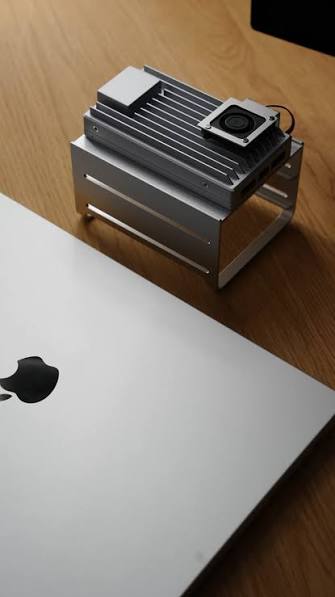
Live TV Recording Storage Guide for Capacity, Retention, and Cleanup
Measure real recordings, reserve headroom, combine age and capacity limits, and prove the oldest eligible program is removed before storage fills.
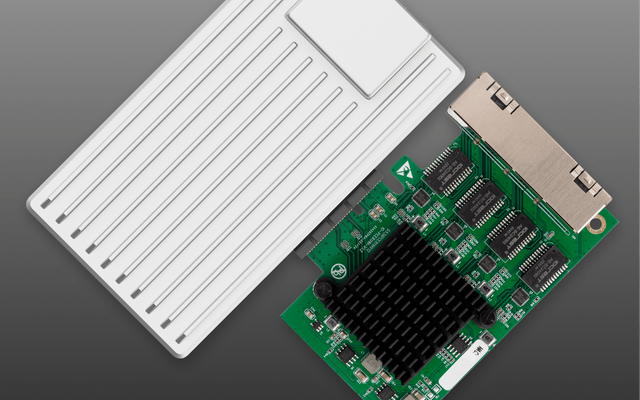
Home Media Metadata Recovery Workflow After a Database Restore
Protect the restored state, verify media identity and paths, then repair missing artwork or matches in a pilot library before broad metadata changes.
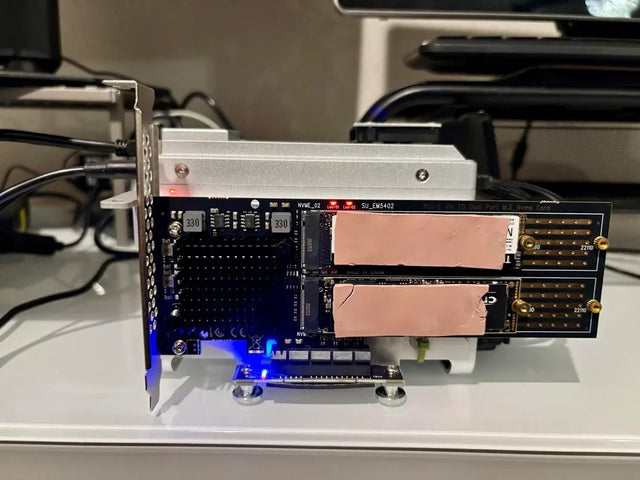
Jellyfin Client Compatibility Checklist for Audio, Video, and Subtitles
Test representative files one variable at a time and record Direct Play, remux, audio conversion, video transcode, or failure for every client.


