
Plex With Overseerr vs a Standalone Plex Stack: Which Fits Better?


Standalone Plex wins on simplicity; Plex with Overseerr wins when a shared household needs a separate request, approval, and discovery workflow.
Standalone Plex Wins When Playback Is the Whole Job
If the server’s purpose is simply to organize and play an existing library, adding a request manager creates another account, container, database, and update path without improving core playback.
Every extra service adds multi-container dependencies that need their own persistence, health checks, and recovery plan.
Choose standalone Plex when one administrator manages the library and household users do not need a formal request queue. Keep the stack smaller until a recurring workflow justifies another service.
Overseerr Wins for Shared Request Workflows
A request layer can let users discover titles, submit requests, and work within granular permissions without giving them direct administrative access to the rest of the media stack.
Overseerr provides Overseerr request management together with user permissions and library awareness.
Choose the integrated stack when requests are frequent enough that chat messages or manual tracking create real administrative work. Define who can request, approve, and manage users before deployment.
Integration Adds More State and Credentials
Connecting Plex, request management, and automation requires tokens, API keys, configuration, and persistent data beyond Plex itself. That expands the backup and secret-management surface.
Proper container secret injection reduces the risk of placing API credentials directly in Compose files or ordinary configuration backups.
Inventory every token Overseerr needs and decide where its config is backed up. Treat the request manager as an independent service that can be rebuilt without exposing Plex credentials. Place Overseerr within the broader home media-server topology so its database, secrets, and request workflow remain optional dependencies rather than hidden Plex requirements.

The Winner Depends on Household Workflow
Overseerr is valuable when it replaces a recurring coordination problem; it is overhead when the household does not need requests or approvals. The decision should be based on workflow frequency, not feature count.
Request management becomes part of a broader service graph when an Overseerr media stack connects Plex with automation and user workflows.
Run standalone Plex first if the need is uncertain. Add Overseerr when users repeatedly need discovery and requests, then test failure isolation so Plex playback still works if the request layer is down.

Recommended products

Product Comparisons
More to Read
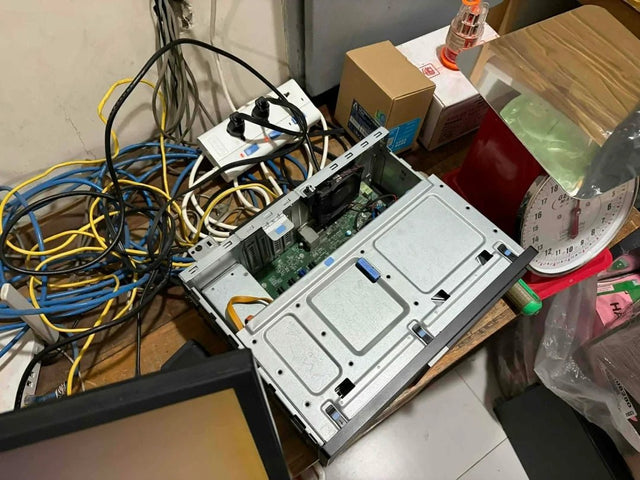
WireGuard Server vs Mesh VPN for Devices Behind CGNAT
Use mesh VPN for low-friction roaming devices; use a WireGuard relay when you want to own routing, keys, and the public endpoint.
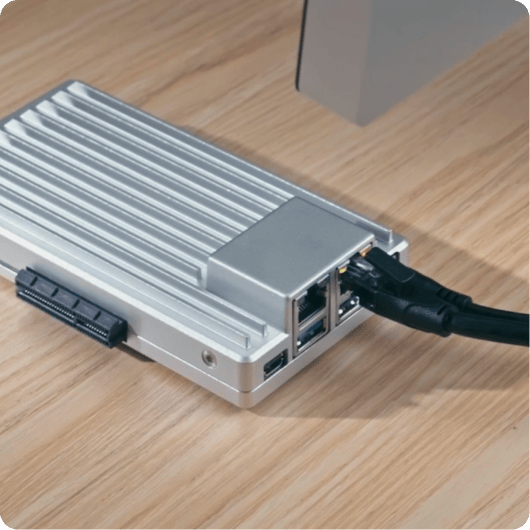
10GbE NAS on Gigabit Clients: Upgrade the Server or Endpoints First?
Upgrade the endpoint path for one slow workstation; upgrade the NAS uplink first when several gigabit clients saturate it together.
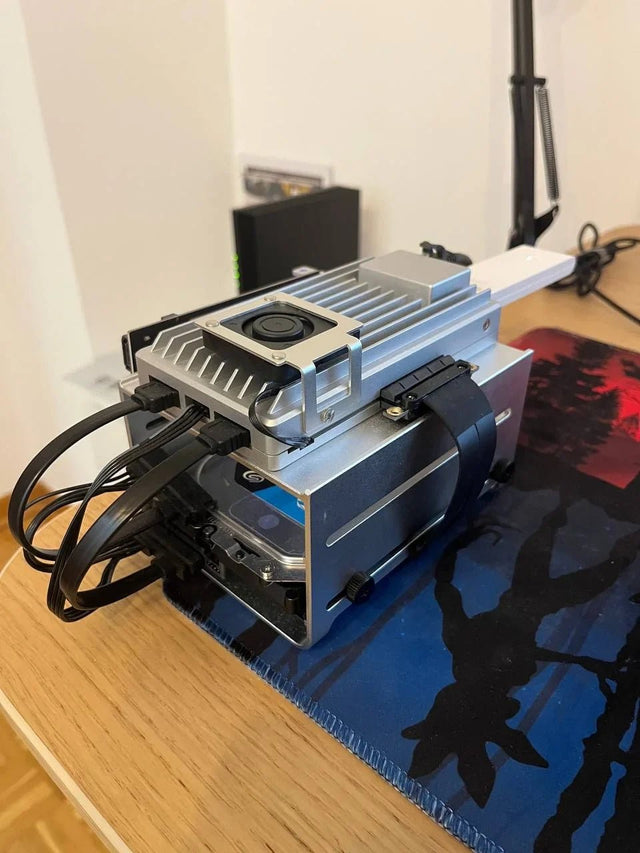
1GbE vs 2.5GbE for a Home Server: Which Workloads Cross the Line?
Keep 1GbE for light services and single streams; move to 2.5GbE when recurring transfers or combined clients sustain more than about 100 MB/s.


