
Intel vs AMD vs ARM for Plex: Which CPU Platform Fits Your Server?


Intel is the safest default for Plex hardware transcoding, AMD can be strong when the exact generation is proven, and ARM fits Direct Play-first low-power servers.
Use the Same Playback Baseline for All Three Platforms
The comparison is unfair if Intel is tested with hardware transcode while AMD or ARM is judged on a different media path. Start with the same Direct Play, 1080p transcode, 4K HDR, and concurrent-user requirements.
When Plex transcoding is required, client compatibility shifts decoding and encoding work onto the server.
Write one workload matrix and score every platform against the same rows before comparing power or price. If a platform cannot satisfy a required row with supported software, it loses that scenario regardless of synthetic CPU performance.
Intel Wins When Predictable Hardware Transcoding Is the Priority
Intel Quick Sync has a long record as the straightforward Plex path on many compact x86 systems. That makes Intel attractive when remote clients or mixed codecs regularly force conversion.
In Intel N100 Plex tests, several simultaneous hardware transcodes ran with modest CPU load.
Choose Intel when you need repeatable hardware conversion and recent tests cover your codecs, HDR behavior, and host OS. If almost everything in your library Direct Plays, acceleration alone is not enough reason to replace a working platform. The winner still depends on the actual Plex stream and hardware requirements, not the CPU architecture label.
AMD Can Win on Compute Value but Needs Model-Specific Verification
Modern Ryzen CPUs can offer strong general compute, but Plex acceleration behavior is not uniform across generations and software stacks. That makes AMD a conditional winner rather than a blanket alternative to Intel.
Ryzen Plex transcoding tests produced different acceleration results across Zen generations under Linux.
Choose AMD when the exact model is well priced and a current test proves the Plex path you require. If the purchase depends on assuming every Ryzen generation behaves the same, Intel is the lower-risk acceleration choice.

ARM Fits Direct Play-First Workloads When the Device Is Verified
Some ARM boards and NAS platforms can be efficient always-on Plex hosts for compatible clients and media. The decision becomes device-specific when the workload requires video conversion, because acceleration support and software paths vary across ARM implementations.
In a Raspberry Pi 4 Plex case, hardware acceleration was unavailable on that specific software stack.
Choose an ARM device only after the exact model, Plex build, and codec path have been validated for the household workload. If remote users or subtitles regularly require heavy transcodes, prefer a platform with a proven media engine rather than assuming ARM will provide the needed acceleration.

Recommended products

Product Comparisons
More to Read
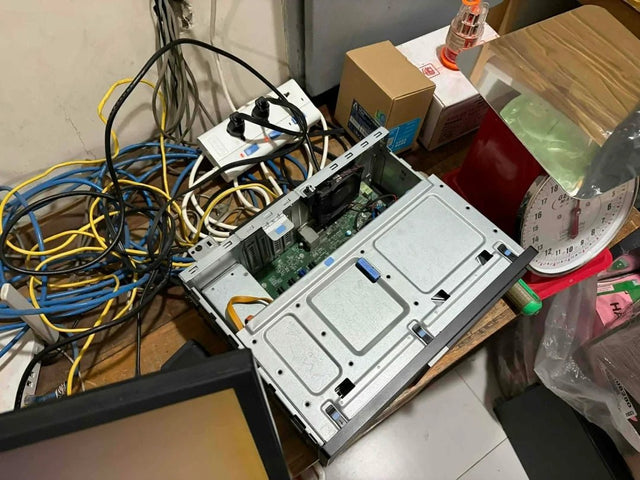
WireGuard Server vs Mesh VPN for Devices Behind CGNAT
Use mesh VPN for low-friction roaming devices; use a WireGuard relay when you want to own routing, keys, and the public endpoint.
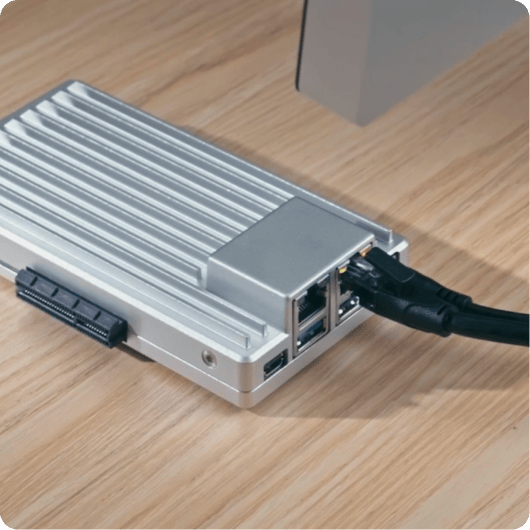
10GbE NAS on Gigabit Clients: Upgrade the Server or Endpoints First?
Upgrade the endpoint path for one slow workstation; upgrade the NAS uplink first when several gigabit clients saturate it together.
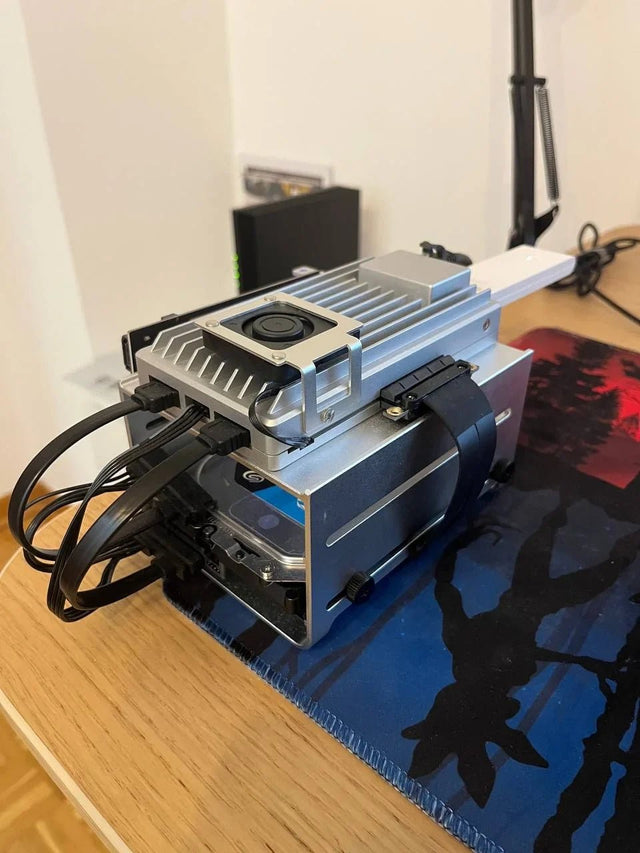
1GbE vs 2.5GbE for a Home Server: Which Workloads Cross the Line?
Keep 1GbE for light services and single streams; move to 2.5GbE when recurring transfers or combined clients sustain more than about 100 MB/s.


