
Does ECC Memory Provide a Practical Plex Advantage at Home?


ECC memory provides a real reliability mechanism, but its practical Plex value depends on the role of the server and the cost of the platform that supports it.
ECC Wins on Error Detection and Correction
ECC adds hardware mechanisms that can detect and correct certain memory errors before they become visible application state. That is a meaningful reliability feature, not a performance feature.
Field studies of DRAM errors in production servers show that memory faults are real operating events; ECC adds detection and correction for part of that failure surface.
Choose ECC when silent-memory-error risk has high consequence because the server also holds important databases, backups, or other services.
Non-ECC Wins on Cost and Platform Flexibility
Consumer platforms often offer lower cost, wider CPU choices, and easier upgrades without ECC. Plex can still be resilient when state is backed up and failures are recoverable.
Treat memory protection as one layer rather than a substitute for storage integrity and backup. The Plex server requirements decision should include recovery, storage, and workload fit alongside the memory type.
If ECC forces a much more expensive platform that does not improve the household’s recovery objective, spend the budget on independent backups or better storage first.
ECC Does Not Protect Every Plex Failure Mode
ECC cannot fix a bad update, filesystem mistake, deleted media, lost credentials, or corrupted backup process. It reduces one class of memory-related risk within a larger reliability system.
Recoverable historical state protects against failures that memory correction cannot undo, so ECC and backup retention address different risk classes.
List the failures that would actually cause painful Plex recovery. If memory error is low on that list and restore tests are missing, recovery work should come first.

The Winner Changes With Server Role
ECC wins for an always-on multi-service NAS where Plex state is one of several valuable datasets and long unattended uptime matters. Non-ECC wins for a replaceable Plex appliance with strong backups and a tight budget.
Run a cost comparison that includes motherboard, CPU, memory, power, and the recovery design. Choose the configuration that improves the highest-priority failure boundary rather than treating ECC as a Plex performance upgrade.
There is no universal Plex premium to pay for ECC; the advantage is practical only when the reliability goal is explicit.

Recommended products

Product Comparisons
More to Read
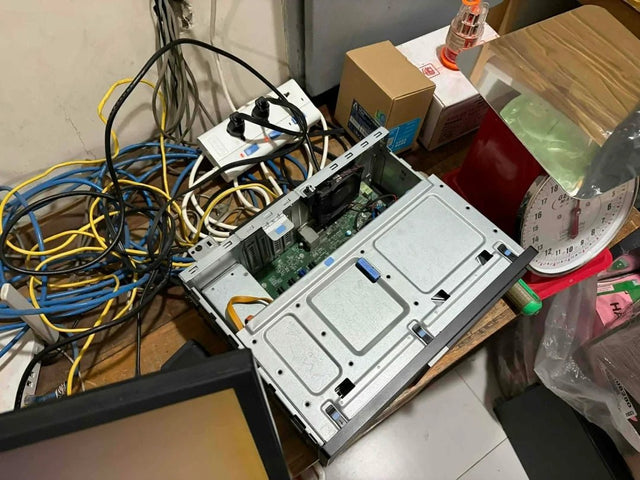
WireGuard Server vs Mesh VPN for Devices Behind CGNAT
Use mesh VPN for low-friction roaming devices; use a WireGuard relay when you want to own routing, keys, and the public endpoint.
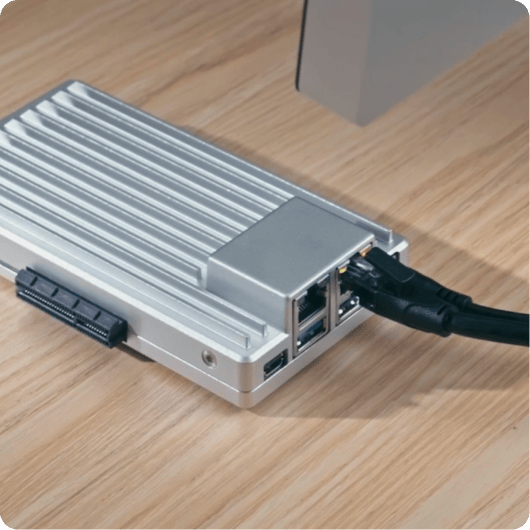
10GbE NAS on Gigabit Clients: Upgrade the Server or Endpoints First?
Upgrade the endpoint path for one slow workstation; upgrade the NAS uplink first when several gigabit clients saturate it together.
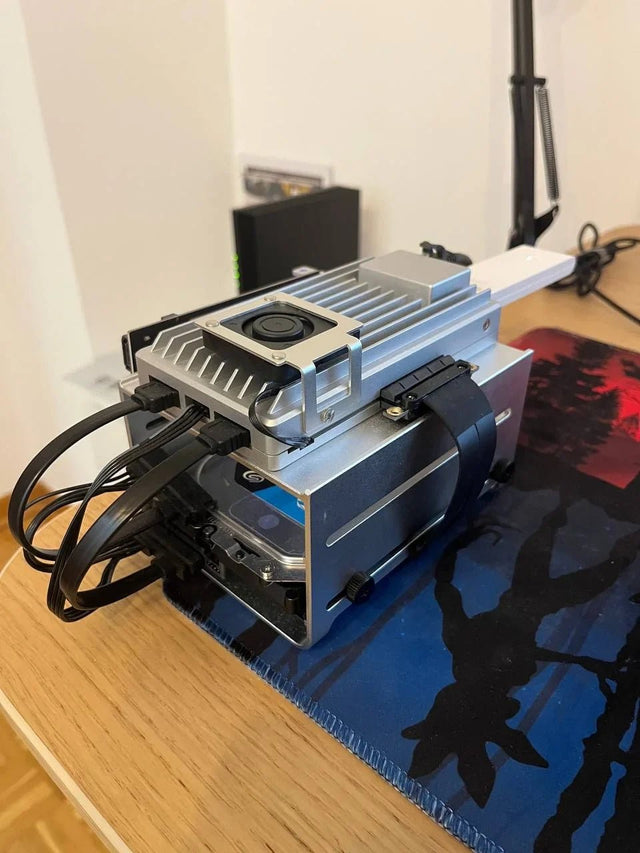
1GbE vs 2.5GbE for a Home Server: Which Workloads Cross the Line?
Keep 1GbE for light services and single streams; move to 2.5GbE when recurring transfers or combined clients sustain more than about 100 MB/s.


