
Can a Low-Power Mini PC Replace a Desktop as the Plex Compute Node?


A low-power mini PC can replace a desktop as the Plex compute node when it passes the same playback workload and storage, backup, and expansion are handled elsewhere or through suitable external paths.
Use a Functional Replacement Gate
The mini PC does not need to match desktop benchmark scores; it needs to deliver the required Direct Play, transcode, subtitle, and remote-session mix without losing recovery or storage access.
An N100 sustained several hardware-transcode sessions with relatively low general CPU use in one tested setup, which is useful evidence for a compute-focused node rather than proof that every desktop can be removed.
Replay the hardest normal session mix on both systems and compare buffering, CPU/GPU pressure, power, and recovery behavior. If the mini PC passes, raw desktop core count is no longer a decision axis.
The Mini PC Wins When Plex Compute Is the Main Role
Compact Intel systems are attractive when Quick Sync can handle the expected conversion path and the media library already lives on NAS, DAS, or another storage tier. That lets the mini PC focus on Plex compute and app data.
On one N100 host, a 4K HDR stream that could not keep up in software played smoothly once hardware transcoding was enabled, which is the kind of functional gate a compact compute node must pass.
Choose the mini PC when the tested acceleration path covers the household workload and external storage is already part of the design.
The Desktop Wins When Local Expansion or CPU-Only Work Still Matters
A desktop remains easier to justify when Plex must host many internal drives, use a discrete accelerator, run heavy CPU-only subtitle or software-transcode work, or share the chassis with other expansion cards and services.
Background services and storage expansion can reduce the margin of an N100-class Plex box once the node takes on more than media-server compute alone.
Keep the desktop if moving storage outside the chassis would add more cost, failure points, or management work than the energy and space savings are worth.

Full Replacement Depends on Separating Compute From Storage
The cleanest mini-PC replacement treats the new device as a compute node while media capacity and backup remain independently expandable. That prevents every storage change from forcing another compute migration.
The same role split appears in current separate Plex compute and storage designs, where a compact server can run Plex while a NAS carries the library.
Call the mini PC a full replacement only when it passes playback, can reach the media and backup paths reliably, and does not remove an expansion capability the household still needs.

Recommended products

Product Comparisons
More to Read
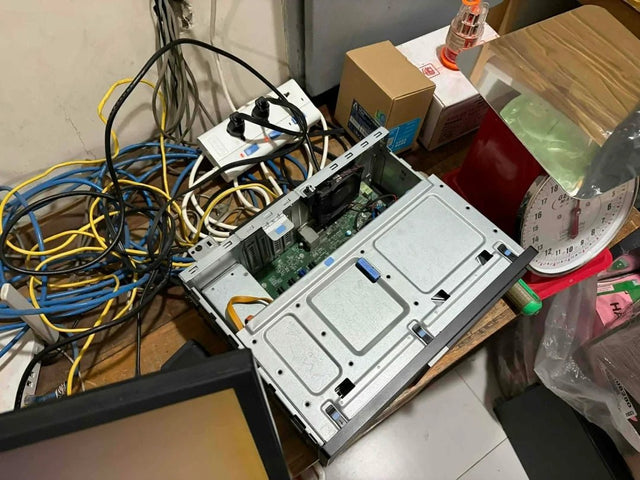
WireGuard Server vs Mesh VPN for Devices Behind CGNAT
Use mesh VPN for low-friction roaming devices; use a WireGuard relay when you want to own routing, keys, and the public endpoint.
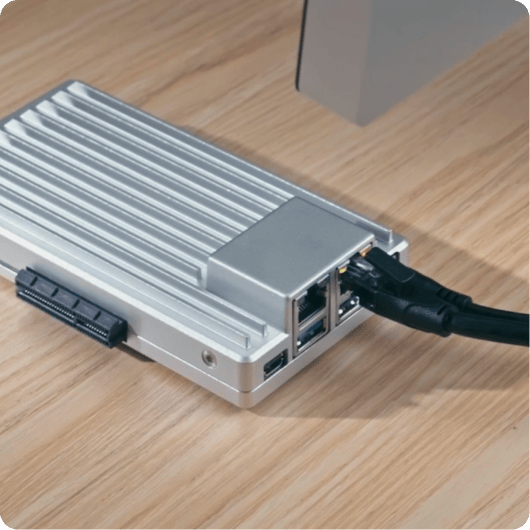
10GbE NAS on Gigabit Clients: Upgrade the Server or Endpoints First?
Upgrade the endpoint path for one slow workstation; upgrade the NAS uplink first when several gigabit clients saturate it together.
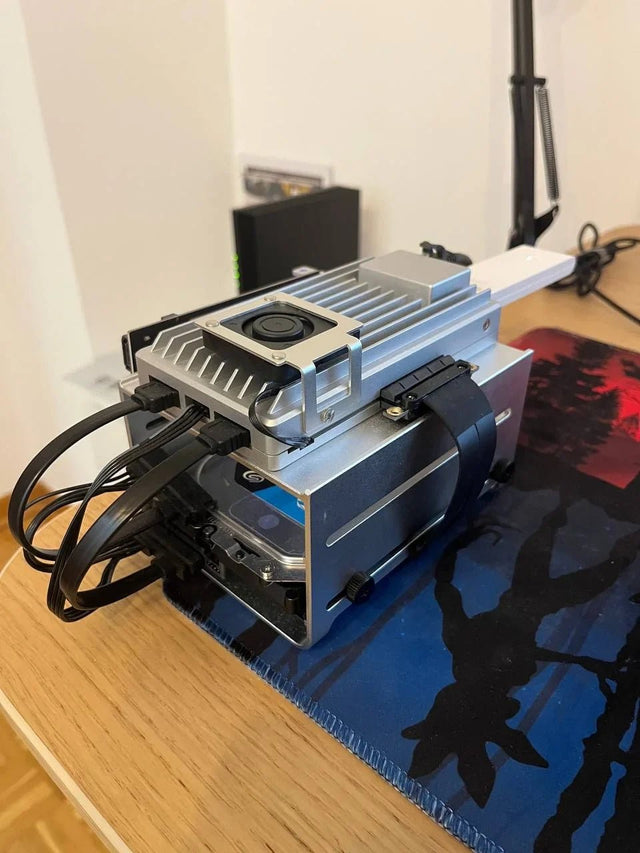
1GbE vs 2.5GbE for a Home Server: Which Workloads Cross the Line?
Keep 1GbE for light services and single streams; move to 2.5GbE when recurring transfers or combined clients sustain more than about 100 MB/s.


