
How to Run Plex Alongside Other Self-Hosted Apps Safely


Plex can safely share a host with other applications when resources, identities, networks, data, updates, and recovery paths remain explicit.
Co-hosting fails when convenience turns every service into one trust zone and one failure domain. This setup begins with a clean service map, gives Plex measurable resource protection, limits each application's access, and rehearses recovery before routine updates. The result is not perfect isolation; it is controlled sharing with observable boundaries and a documented point at which Plex should move elsewhere.
Map Shared Resources and Isolation Boundaries
List every service, exposed port, mounted path, device, network, and scheduled job. Mark resources shared with Plex, especially the media accelerator, storage pool, database tier, and outbound bandwidth. Give each container its own service identity and only the mounts it needs.
A detailed review of container isolation boundaries explains both the value and the limit of containers: namespaces and control groups separate processes and resources, but containers still share a host kernel. Treat a container boundary as controlled exposure, not as a separate physical machine.
Stop boundary: do not co-host an untrusted public workload that requires broad host privileges, the Docker socket, or unrestricted access to Plex data. Move that workload to a stronger isolation boundary.
Reserve Headroom for Playback-Critical Work
Set realistic CPU and memory limits for bursty background services, then schedule indexing, backups, downloads, and model jobs outside the viewing peak. Keep enough uncommitted memory for filesystem cache and Plex bursts. A limit that is never observed is only a guess, so collect per-service metrics during a mixed workload.
The analysis of the noisy-neighbor problem shows why requests, limits, and monitoring belong together. The same contention pattern appears on a smaller Docker host when one background job monopolizes shared resources.
Validation gate: run a known transcode while the heaviest background task executes. Record playback start time, dropped frames, CPU pressure, memory pressure, disk latency, and network saturation; adjust the resource owner that actually causes the failure.
Expose Services Through One Deliberate Path
Keep management consoles and databases on trusted networks. For public services, use one documented ingress path with TLS, authentication where appropriate, and narrowly forwarded ports. Do not publish a container merely because its default port works on the LAN.
A practitioner's guide to internet exposure paths compares several ways to reach home services without treating them as interchangeable. Choose the path according to who needs access and which endpoint must be public.
Validation gate: scan from outside the home network, confirm only intended services respond, and verify that a compromised application network cannot reach Plex administration or unrelated data mounts.

Make Updates Reversible Per Application
Pin versions or immutable image references for important services, update one service at a time, and preserve the previous deployment definition. Back up state before schema-changing releases. Avoid an unattended update policy that can replace Plex and every companion service in the same maintenance window.
The versioned container updates demonstrates how deployment configuration and persistent data play different recovery roles. A rollback image is insufficient if the application database has already migrated incompatibly.
Recovery test: recreate one service from its definition, attach a restored copy of its state, and confirm Plex continues serving throughout. The home NAS workload guide helps identify workloads that should be scheduled or separated.
Define the Trigger for Moving Plex to Another Host
Keep Plex co-hosted while mixed-workload tests pass, updates remain independently reversible, and one service cannot exhaust the shared host. Separate it when repeated contention, incompatible kernel or driver needs, different maintenance windows, or trust requirements make the shared boundary costly.
The review of container security controls reinforces that patching and runtime boundaries must be managed together. A dedicated Plex host is justified when it lets playback maintenance and security work follow their own controlled cadence.
Final acceptance: reboot the host, update one companion app, saturate a background job, restore a service, and test local plus remote playback. If any test requires disabling isolation or granting broad permissions, redesign that boundary before adding more applications.

Recommended products

NAS & Server Setup
More to Read
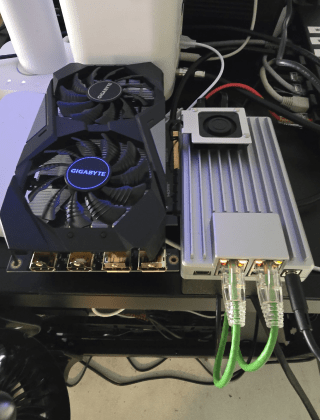
Can a Dorm Server Run Quietly Enough for Sleep, Study, and Video Calls?
Yes—a dorm server can stay unobtrusive when hardware is low-power, storage vibration is controlled, heavy jobs are scheduled, and noise is tested in the...
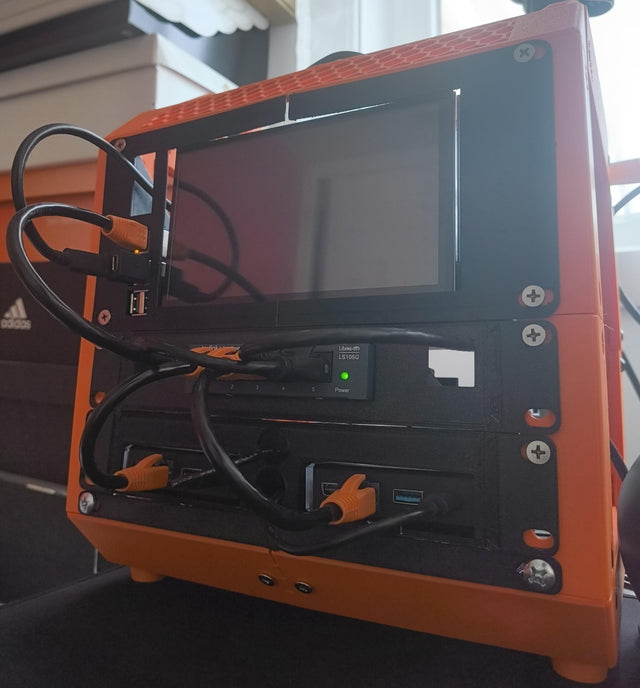
A Student Homelab That Can Move From Dorm Room to First Apartment
Keep a student homelab portable by separating services from room-specific networking, minimizing hardware, backing up state, and rehearsing a clean move.
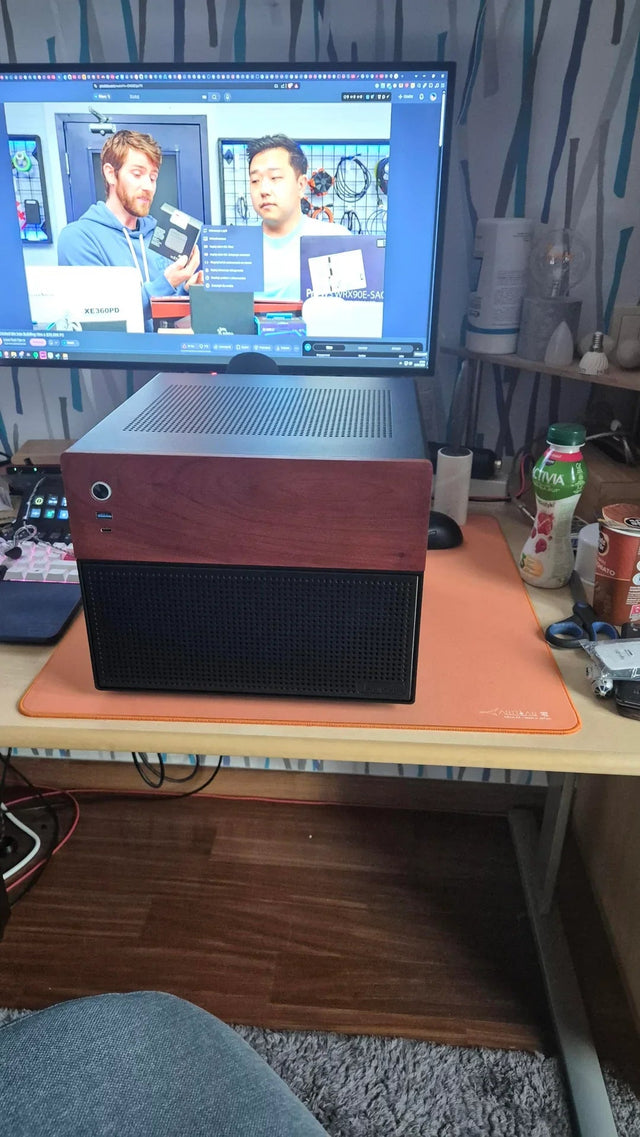
How to Share One Home Server With Roommates Without Sharing Accounts or Private Files
Give every roommate a named identity, private storage, and only the shared roles they need; keep administration, backups, and offboarding separate.


