
A Plex Server Blueprint for a Shared Household


A shared-household Plex server works best when identity, permissions, bandwidth, and recovery rules are designed before family members depend on it.
This blueprint treats the household as several trust and workload zones rather than one collection of devices. It separates administrator access, member profiles, guest networks, application identity, and backups, then defines tests for concurrent playback and accidental changes. The goal is predictable service without giving every television, phone, or user the same control over the server.
Separate Viewer Identity From Server Administration
Create individual viewer accounts or managed profiles instead of sharing the server owner's credentials. Reserve server administration for one or two accountable people, and use library sharing to grant only the content each person needs. This keeps playback history and restrictions useful while reducing the impact of a lost living-room login.
A community walkthrough of separate Plex accounts shows the operational difference between one shared identity and individually shared access. Treat any device signed into an administrator account as an administrative endpoint.
Validation gate: from a non-admin profile, confirm that the user can play the intended libraries but cannot change server settings, add libraries, or browse excluded content.
Give Plex One Explicit Filesystem Identity
Run Plex under a dedicated service UID and group, then grant that identity read access to media and write access only to application state, transcode space, and intentionally managed folders. Do not solve access errors with world-writable permissions; they make the next incident harder to attribute.
The multi-purpose server guidance on service-user permissions explains why service accounts and groups scale better than a shared login. Record numeric UID and GID values so a restore or container rebuild does not silently change ownership.
Stop boundary: if Plex can delete the only copy of household media, reduce its write scope before inviting more users. Ingest and curation can use a separate controlled workflow.
Isolate Guest and Untrusted Devices
Place guest and untrusted smart devices on a separate network segment, with an explicit rule for reaching Plex only on the required address and port. Keep server management interfaces unavailable from that segment. Local discovery may require a relay or selective helper, but discovery convenience should not flatten the trust boundary.
A concise VLAN isolation model shows how logical segmentation and firewall policy work together. Apply rules by source segment and service destination rather than broad access to the server subnet.
Validation gate: a guest client should play an allowed stream, fail to reach the server console or file shares, and retain those results after router and server restarts.

Protect Household State With Application-Aware Backups
Back up the Plex database, preferences, artwork, and deployment configuration on a schedule that matches how often the household changes libraries and watch state. Stop Plex or use a consistent snapshot before copying database files. Keep the backup destination outside Plex's write permissions.
The application-state backup plan distinguishes application state from replaceable container images. That distinction makes recovery faster because the service definition and the household's accumulated state are protected separately.
Restore test: recover into an isolated path and verify one profile, one library, watch status, poster art, and playback before calling the backup usable.
Size for the Household's Busy Hour
List the clients likely to overlap, their connection types, and whether each normally direct plays, remuxes, or transcodes. Test the worst plausible mix rather than multiplying a vendor stream count. Include another self-hosted app only if it competes for the same CPU, memory, storage, or uplink during that hour.
A practical home-lab build order starts with services and operational needs before components. Use the same order for Plex: workload, shared resources, recovery, then hardware.
Expansion trigger: add network capacity, storage, or compute only when monitoring shows that resource saturating during a reproduced household scenario. The Plex remote-streaming guide provides a useful companion path when the busy hour includes viewers outside the home.

Recommended products

NAS & Server Setup
More to Read
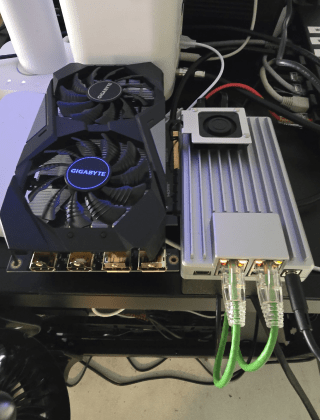
Can a Dorm Server Run Quietly Enough for Sleep, Study, and Video Calls?
Yes—a dorm server can stay unobtrusive when hardware is low-power, storage vibration is controlled, heavy jobs are scheduled, and noise is tested in the...
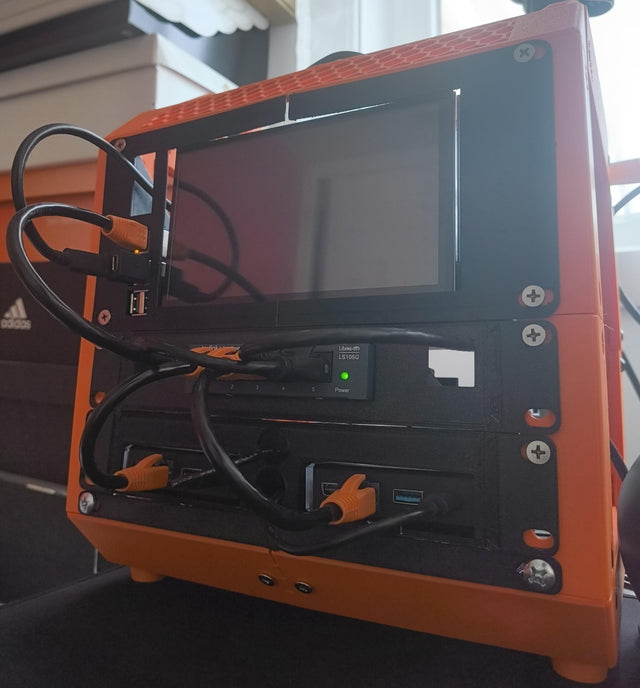
A Student Homelab That Can Move From Dorm Room to First Apartment
Keep a student homelab portable by separating services from room-specific networking, minimizing hardware, backing up state, and rehearsing a clean move.
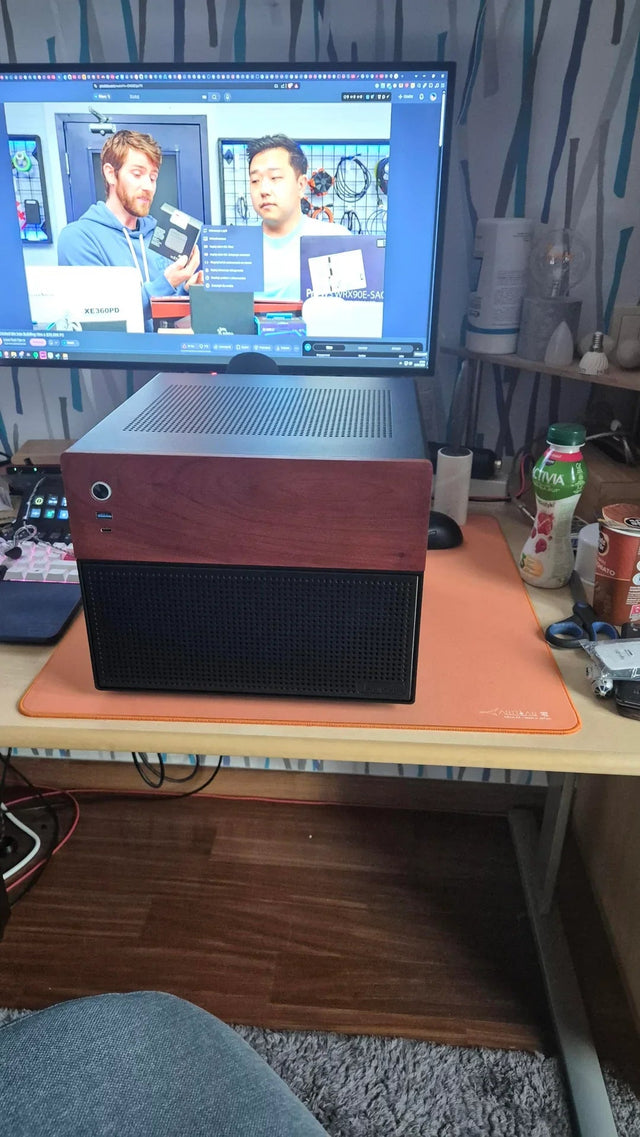
How to Share One Home Server With Roommates Without Sharing Accounts or Private Files
Give every roommate a named identity, private storage, and only the shared roles they need; keep administration, backups, and offboarding separate.


