
Complete Plex Home Server Topology for Compute, Storage, and Backup


A resilient Plex topology separates playback-critical services from bulk media, backup copies, and failures that should never cascade.
The design below starts with workload paths rather than a shopping list: clients request a stream, compute handles the session, storage serves media and metadata, and backup preserves recoverable state. Each boundary has a test and an expansion trigger, so the topology can grow without turning one fast box into one large failure domain.
Draw the Playback Path Before Choosing Hardware
Map client, network, Plex compute, metadata, and media storage as one end-to-end path. Mark direct-play traffic separately from transcodes, because direct play is usually a sustained network and disk read while transcoding adds codec work and temporary writes. A server specification is useful only after it is attached to one of those operations.
A practical explanation of IOPS and throughput shows why the media library and Plex database should not be judged by one storage number. Sequential media reads favor throughput; artwork, indexes, and database activity create smaller, less predictable operations.
Validation gate: start one known direct-play file and one forced transcode while observing client bitrate, CPU use, accelerator activity, disk latency, and network throughput. Do not expand storage or compute until the constrained stage is visible.
Keep Plex Metadata on a Fast Recoverable Tier
Place the Plex database, artwork, logs, and configuration on low-latency local storage, separate from high-capacity media when possible. This is a performance boundary, not a reason to exclude the metadata from backup. The media can be large and replaceable; the database is smaller but carries watch state, matching, and library configuration.
A field-tested Plex metadata layout describes the responsiveness benefit of SSD-hosted application data. Use that pattern only after confirming that the chosen filesystem and mount remain available before Plex starts.
Stop boundary: if the metadata path can disappear, change ownership, or mount late after a reboot, fix that dependency before tuning. A faster tier that occasionally resolves to an empty directory is an availability regression.
Separate Compute From Media Storage When Their Lifecycles Diverge
A single host is the simplest baseline. Split Plex compute from the NAS when codec support, operating-system maintenance, noise, power, or replacement cadence differs from the storage platform. The compute node should mount media read-only where practical, while a controlled ingest or management path retains write access.
A detailed community comparison of separate compute and storage illustrates the key decision: an efficient NAS can remain stable while a smaller compute host is upgraded for newer media engines.
Expansion trigger: split the roles when a compute upgrade would otherwise replace healthy storage, or when storage maintenance repeatedly interrupts playback. Keep them together when one host already meets peak workload and the extra network dependency would add more failure modes than value.

Build Backup Around Recovery Objects, Not RAID
Inventory three recovery objects: Plex application state, irreplaceable media, and replaceable media. Back up application state consistently, protect irreplaceable files with independent copies, and decide explicitly whether replaceable media merits the same retention. RAID can preserve service through a drive failure, but it does not preserve deleted, corrupted, or encrypted data.
The 3-2-1 backup model is useful because it treats separate copies and failure domains as design requirements. Keep at least one recovery copy outside the live server's administrative and power boundary.
Restore test: recover the Plex database and a representative media sample into an isolated path, start a disposable Plex instance, and confirm libraries, posters, watch state, and playback. The NAS media-center guide can help align the restored storage layout with the serving path.
Contain Power and Network Failures
Put the modem or router, switch, storage host, and Plex compute on known power paths. A UPS should provide enough runtime for orderly shutdown, not merely keep one server alive while its network or storage disappears. Document shutdown order so Plex stops before storage unmounts and the NAS finishes writes before power is removed.
A tested graceful UPS shutdown demonstrates why a local control path and an end-to-end power-failure test matter. Apply the same principle to the Plex topology: the shutdown signal must still reach every dependent node.
Final acceptance: test a host reboot, switch reboot, storage restart, simulated internet outage, and controlled UPS shutdown. The topology is complete only when local playback recovers in the documented order and a failed backup job cannot consume the live media volume.

Recommended products

NAS & Server Setup
More to Read
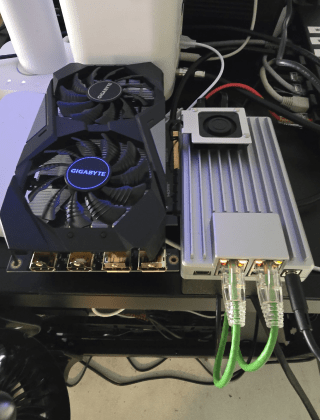
Can a Dorm Server Run Quietly Enough for Sleep, Study, and Video Calls?
Yes—a dorm server can stay unobtrusive when hardware is low-power, storage vibration is controlled, heavy jobs are scheduled, and noise is tested in the...
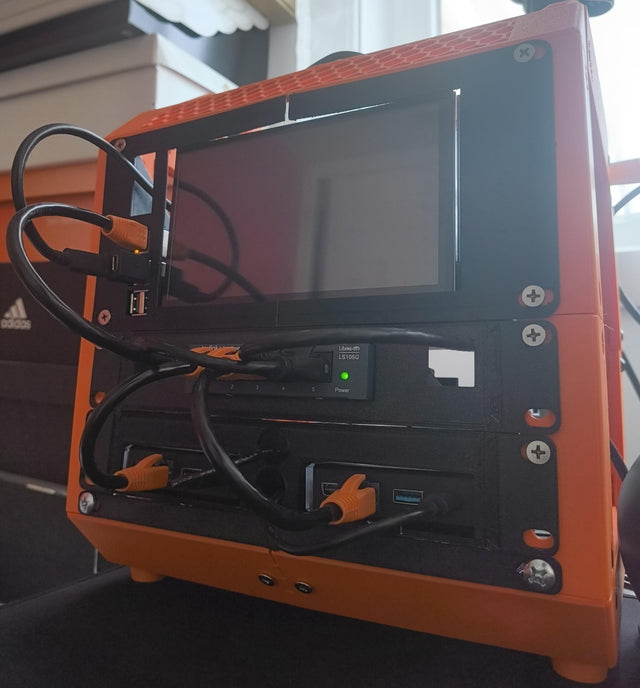
A Student Homelab That Can Move From Dorm Room to First Apartment
Keep a student homelab portable by separating services from room-specific networking, minimizing hardware, backing up state, and rehearsing a clean move.
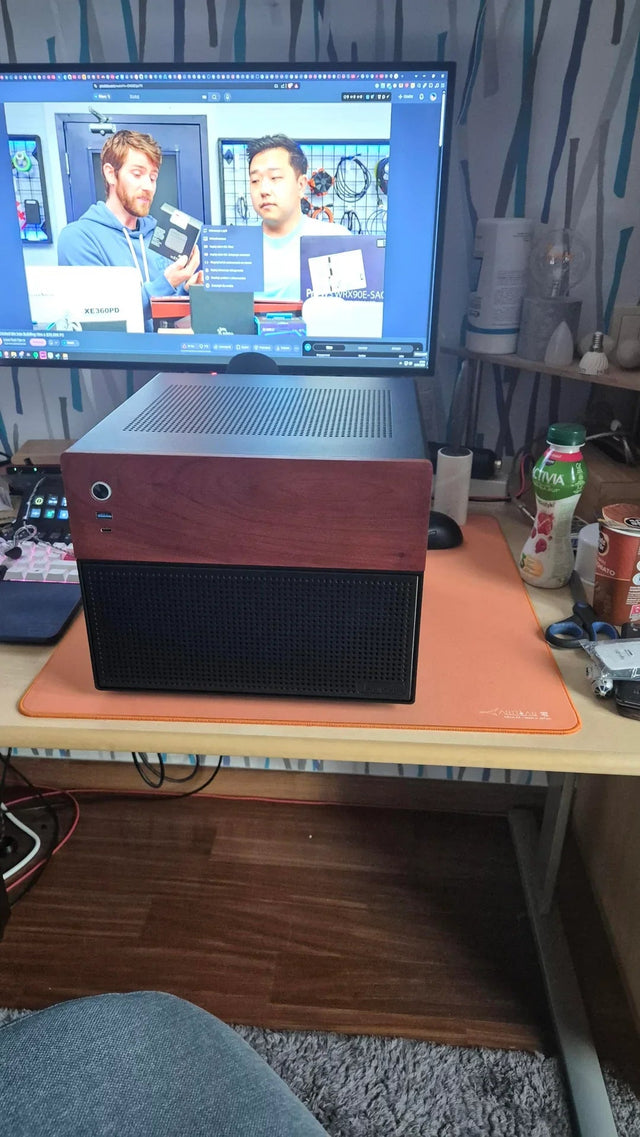
How to Share One Home Server With Roommates Without Sharing Accounts or Private Files
Give every roommate a named identity, private storage, and only the shared roles they need; keep administration, backups, and offboarding separate.


